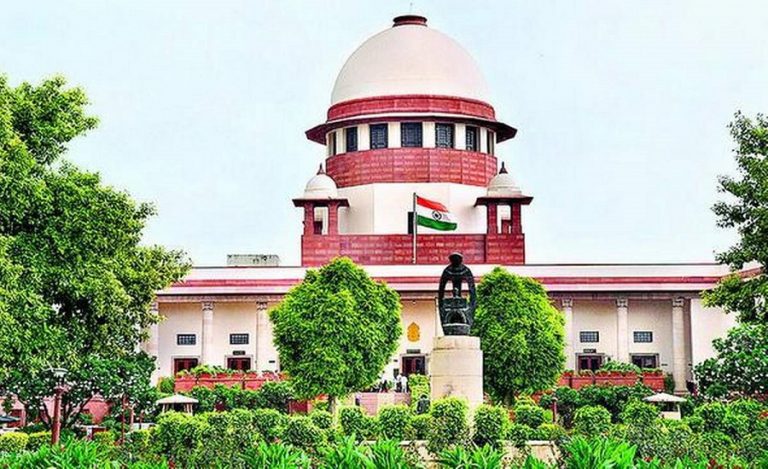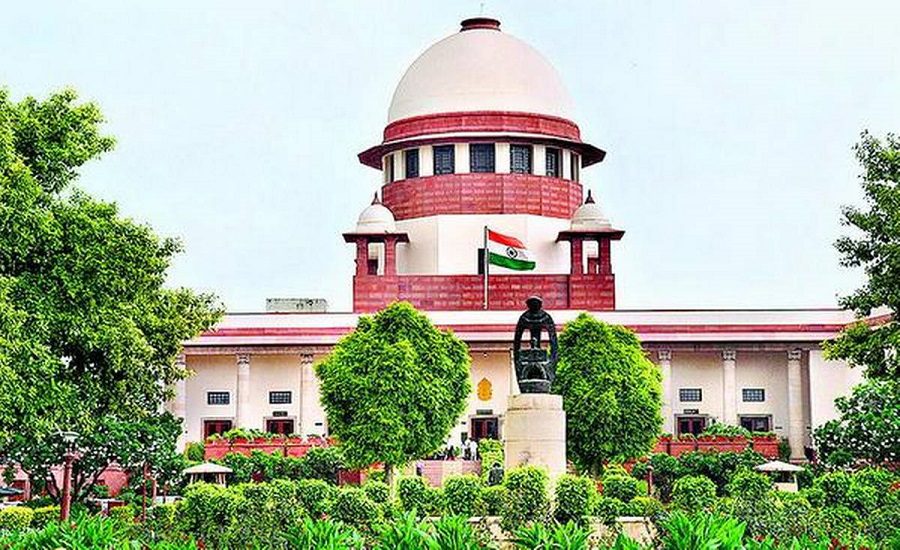
New Delhi: The Supreme Court road safety guidelines 2026 aim to drastically reduce rising accidents on highways across India. In a major step, the Supreme Court of India has issued a series of pan-India directions to improve road safety, especially on national highways and expressways.
The Court highlighted that despite covering only about 2% of India’s road network, national highways account for nearly 30% of road fatalities, making urgent reforms necessary. These new guidelines focus on stricter enforcement, removal of hazards, and better infrastructure to prevent avoidable deaths.
Why the Supreme Court Intervened
The Court observed that highways are increasingly becoming “corridors of danger” due to administrative failures and poor infrastructure planning.
Read also: MoRTH Introduces New Overloading Fee Rules on National Highways, Effective April 15, 2026
It emphasized that:
- Even a single preventable death reflects failure of governance
- Unsafe road conditions are a serious national concern
- Immediate corrective steps are necessary across all states
Key Highlights of the Supreme Court Road Safety Guidelines 2026
1. Ban on Parking of Vehicles on Highways
The Court directed that:
- Heavy and commercial vehicles must not be parked on highways
- Parking is allowed only at designated areas
This move aims to reduce accidents caused by sudden obstacles on high-speed roads.
2. Crackdown on Illegal Structures and Encroachments
Authorities have been instructed to:
- Remove illegal dhabas, eateries, and roadside structures
- Stop new construction within highway Right of Way (ROW)
Encroachments were identified as a major cause of reduced visibility and accidents.
3. High-Level Monitoring and Enforcement
The Court emphasized:
- Strict implementation of rules within a fixed timeline
- Creation of monitoring mechanisms and task forces
- Regular inspection of highways
This ensures accountability of local authorities and agencies.
4. Identification and Fixing of Accident Blackspots
States and agencies must:
- Identify accident-prone areas (blackspots)
- Take immediate corrective action
- Improve road design, signage, and lighting
This step directly targets high-risk zones to reduce fatalities.
5. Accountability of Government Authorities
The Court made it clear that:
- Administrative lapses will not be tolerated
- Road safety is a shared responsibility of multiple agencies
This includes road construction bodies, police, and transport departments.
Supreme Court Road Safety Guidelines 2026: Timeline for Implementation
Authorities have been asked to:
- Enforce guidelines within a limited timeframe (around 60 days)
- Submit compliance and progress reports
This ensures that the directives are not just advisory but actionable.