New Delhi: India’s BrahMos missile is attracting fresh interest from Southeast Asian countries after its reported operational success and growing export reach. BrahMos Aerospace CEO and Managing Director Dr Jaiteerth R. Joshi has highlighted how Non-Destructive Testing (NDT) helped maintain the reliability of missiles manufactured 10, 15 and even 20 years ago.
The Philippines has already received BrahMos missile systems, while India has signed an agreement with Vietnam. Several other countries are also exploring the missile system, strengthening India’s position in the global defence export market.
BrahMos Missile Expands India’s Defence Export Opportunities
India’s BrahMos export programme is gaining momentum, particularly in Southeast Asia.
Read also: Why Countries Are Racing To Buy India’s BrahMos Missile System
The Philippines became the first international customer for the BrahMos missile system after signing an agreement worth approximately $375 million in January 2022.
The agreement covered three shore-based anti-ship missile batteries. The first batch was delivered in April 2024.
Vietnam has also signed an agreement with India for the supply of BrahMos missiles in May 2026, marking another important development in India’s defence export programme.
According to BrahMos Aerospace CEO Dr Jaiteerth R. Joshi, several other Southeast Asian countries have shown interest in acquiring the missile system.
He said discussions with potential buyers are progressing and could turn into new agreements after receiving the necessary government approvals.
20-Year-Old BrahMos Missiles Demonstrate Long-Term Reliability
One of the most important developments is the reported reliability of older BrahMos missiles.
Speaking to reporters in Hyderabad on November 13, 2026, Dr Joshi explained that some missiles used during Operation Sindoor were manufactured 10, 15 or even 20 years earlier. He credited Non-Destructive Testing (NDT) for helping ensure their reliability.
According to him, the missiles successfully performed their intended tasks despite being manufactured many years ago. This statement highlights the importance of maintaining defence equipment over long periods rather than regularly replacing older inventory.
It also demonstrates why proper inspection and maintenance are important for military equipment.
What Is Non-Destructive Testing (NDT)
Non-Destructive Testing is a technical inspection process used to check the condition of equipment without damaging or destroying it.
It helps engineers identify hidden defects, cracks and other possible weaknesses inside materials and components.
NDT is particularly important in the aerospace and defence industries because military equipment may remain in storage for many years before being required for operational use.
Regular inspection helps identify potential problems and supports decisions about whether equipment remains suitable for service.
For missile systems such as BrahMos, maintaining the condition of important components is essential for long-term reliability.
DRDO Had Already Demonstrated BrahMos Missile Service-Life Extension
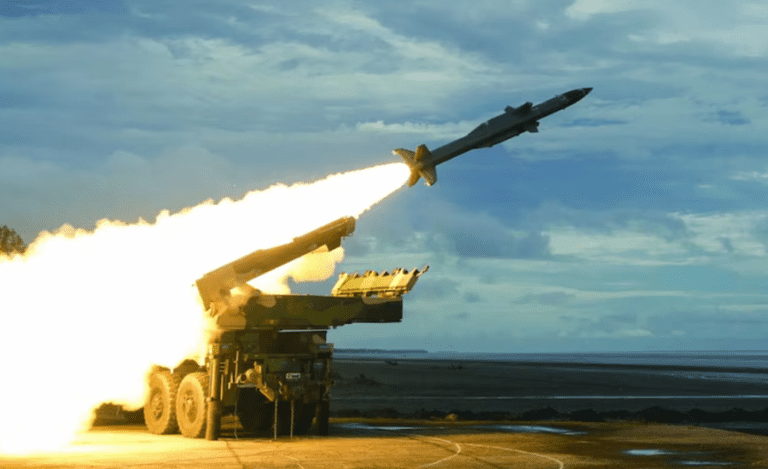
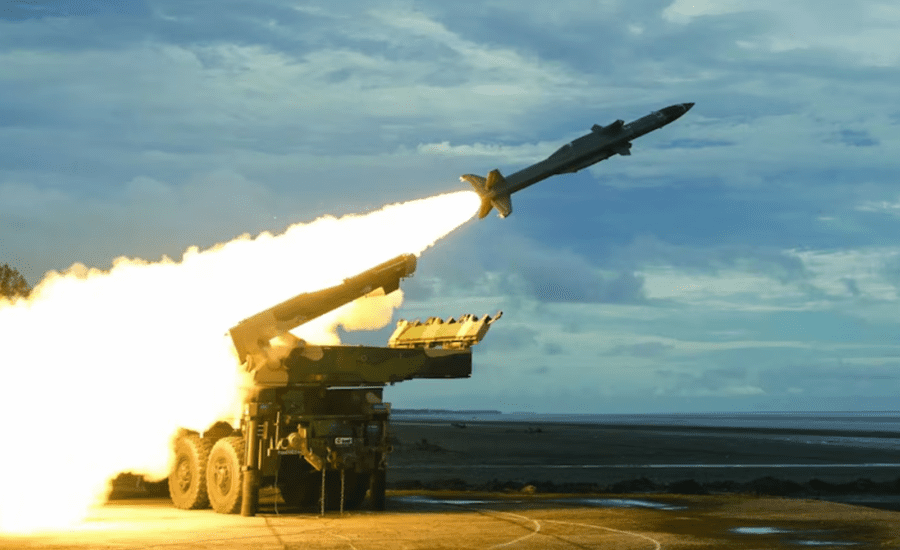
India’s efforts to extend the operational life of BrahMos missiles are not entirely new. In May 2018, the Defence Research and Development Organisation (DRDO) successfully conducted a BrahMos missile test as part of its service-life extension programme.
The test was conducted from a static inclined launcher at the Integrated Test Range in Balasore, Odisha.
According to the Ministry of Defence, the missile followed its designated flight path, and its key components functioned properly.
The successful test demonstrated the effectiveness of the service-life extension programme.
It also highlighted the importance of maintaining existing missile inventories and reducing the need for expensive replacements.
BrahMos Missile Development Strengthens India’s Defence Position
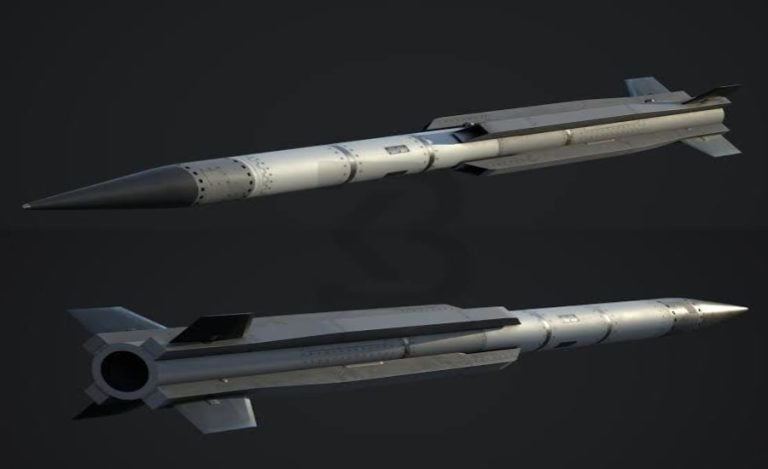
BrahMos is a supersonic cruise missile jointly developed by India’s DRDO and Russia’s NPO Mashinostroyenia. The missile system can be launched from land, sea and air platforms.
According to DRDO, it has been developed for anti-ship and land-attack roles and is operational with the Indian Army and Indian Navy.
Its supersonic speed, precision and multiple launch options make it an important part of India’s defence capabilities.
The growing international interest also supports India’s efforts to expand defence manufacturing and exports.
Read also: How Does Operation Sindoor Boost the Brahmos Missile Export
FAQs
BrahMos Aerospace CEO Dr Jaiteerth R. Joshi said Non-Destructive Testing (NDT) helped ensure the reliability of older missiles. He stated that missiles manufactured 10, 15 and 20 years earlier successfully performed their intended tasks.
The Philippines and Vietnam have signed agreements to acquire BrahMos missile systems from India. The Philippines was India’s first international customer in 2022.
Non-Destructive Testing helps engineers inspect missile components without damaging them. It identifies possible defects and helps assess the condition and reliability of older defence equipment.