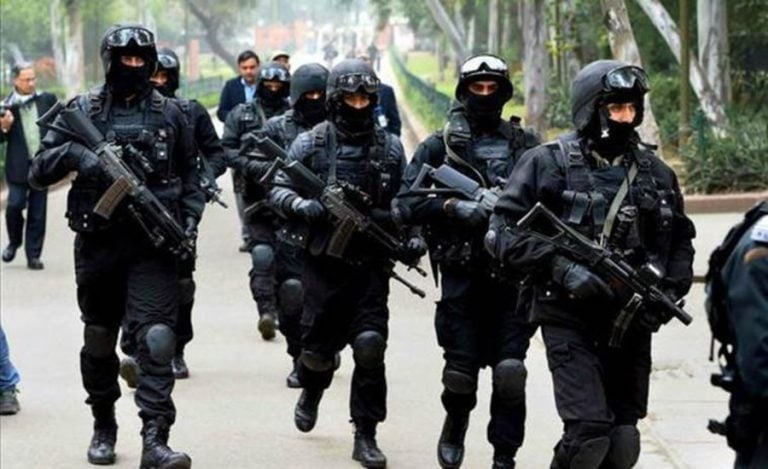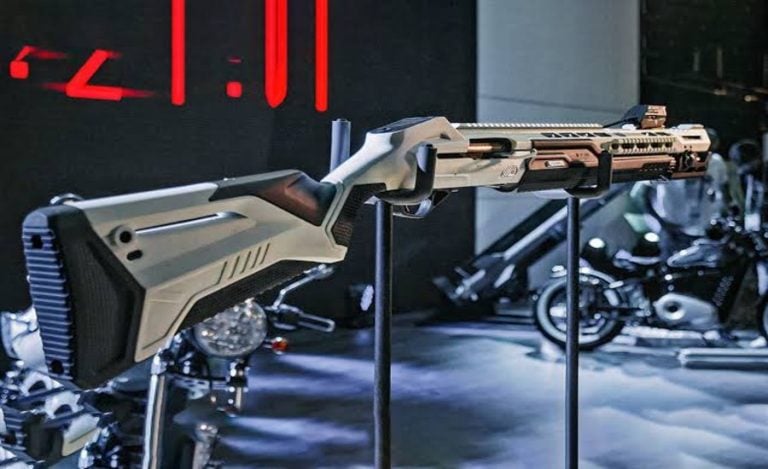
New Delhi: The Central Reserve Police Force (CRPF) is planning to acquire advanced loitering munitions, also known as kamikaze or suicide drones, to strengthen its counter-terrorism and anti-insurgency operations. The proposed drones will combine aerial surveillance with precision-strike capabilities.
According to reported procurement requirements, the systems must have a minimum range of 15 kilometres and carry high-explosive warheads. The move could improve the operational capabilities of CRPF units deployed in sensitive regions such as Manipur and Jammu and Kashmir.
Details of CRPF Loitering Munitions Acquisition Plan
The CRPF is moving towards the use of more advanced drone technology for security operations. The force has started seeking technical information from manufacturers and suppliers about loitering munitions that can carry out precision strikes against designated targets.
According to the reported draft requirements, the CRPF Directorate General circulated technical specifications and trial directives to companies on November 5, 2026.
Manufacturers and authorised vendors have been asked to provide details of systems that meet the required standards by November 25, 2026. However, this is currently an information-gathering and technical assessment stage. It does not mean that a final purchase order has been placed or that the drones have already been inducted into service.
What Are Loitering Munitions And How Do They Work
Loitering munitions are special unmanned aerial vehicles (UAVs) designed to combine surveillance and strike capabilities.
Unlike ordinary surveillance drones, these systems can remain airborne while monitoring an area. They can help operators identify and confirm designated targets before carrying out a strike.
These drones are also called kamikaze or suicide drones because the aircraft itself is destroyed when it hits its target. Their ability to provide aerial observation and precision-strike capability makes them useful for certain military and security operations.
What are the Features of Suicide Drone
The CRPF has outlined several technical requirements for the proposed loitering munitions. These requirements are intended to ensure that the drones can operate effectively during security missions. The major reported requirements include:
- Minimum Operational Range: At Least 15 Kilometres.
- Flight Endurance: A Target Of At Least 30 Minutes Under The Specified Requirements.
- Warhead Capacity: Two High-Explosive Warheads With A Combined Minimum Weight Requirement Of 1.5 Kilograms, As Reported.
- Impact Radius: Approximately 10 Metres.
- Primary Role: One-Way Missions Against Designated Targets.
- Technology: Remotely Operated UAV With Surveillance And Strike Capabilities.
These specifications are intended to provide the force with a drone system capable of operating beyond the immediate position of ground personnel.
The final technical configuration and performance will depend on the systems offered by manufacturers and the subsequent evaluation process.
What is the Reason of CRPF Loitering Munitions Acquisition
Modern security operations are increasingly influenced by unmanned aerial systems. Drones are being used for surveillance, intelligence gathering and attacks in different conflict zones.
For the CRPF, advanced drone technology could provide additional support during operations in difficult and sensitive areas.
These systems may help security personnel observe designated areas and respond to threats while reducing the need for direct exposure of personnel in certain situations.
The technology could also improve operational flexibility during counter-insurgency missions, particularly in areas where conventional ground operations face geographical and security challenges.
Manipur And Jammu And Kashmir Could Be Key Deployment Areas
Manipur and Jammu and Kashmir are among the regions where advanced drone technology could support CRPF operations.
In Manipur, security forces face challenges linked to insurgent activities, difficult terrain and the use of unmanned aerial systems by armed groups.
The CRPF’s specialised Commando Battalion for Resolute Action (CoBRA) has also been deployed in the state for counter-insurgency operations.
The proposed loitering munitions could provide additional aerial capabilities to security units operating in such sensitive areas, subject to their successful acquisition and deployment.
Jammu and Kashmir could also be another important area where the technology may support specialised security operations. However, the exact deployment locations have not been officially confirmed.
CRPF’s Modernisation Drive And The Growing Role Of Drone Technology
The proposed acquisition reflects the growing importance of unmanned systems in India’s internal security operations.
Drones are no longer limited to aerial photography and surveillance. Modern systems can support intelligence gathering, monitoring and other specialised operational requirements.
For security forces such as the CRPF, combining traditional ground capabilities with advanced technology could improve situational awareness and operational readiness.
The force has also been working towards expanding its use of unmanned aerial systems for intelligence, surveillance and reconnaissance activities.
The proposed loitering munition acquisition could represent another step in this technological modernisation process.
Read also: Indian Army’s 2050 Vision Includes AI Humanoid Robots for Counter-Terrorism and Urban Warfare
FAQs
According to the reported technical requirements, the proposed kamikaze drones must have a minimum operational range of 15 kilometres.
The CRPF is planning to acquire loitering munitions to strengthen its surveillance and precision-strike capabilities during counter-terrorism and anti-insurgency operations.
Manipur and Jammu and Kashmir could be potential deployment areas because of their security challenges. However, the CRPF has not officially confirmed the final deployment locations.