New Delhi: India is moving towards developing its own indigenous ejection seat for fighter jets, as the Defence Research and Development Organisation (DRDO) works to strengthen the country’s defence manufacturing capabilities.
The development is important because Indian fighter aircraft, including the Tejas, currently use foreign-made ejection seat technology. India wants to reduce its dependence on overseas suppliers and build a reliable domestic system to protect fighter pilots during emergencies.
Why Does India Need Its Own Ejection Seat
An ejection seat is one of the most important safety systems inside a fighter aircraft. It helps a pilot escape when an aircraft faces a serious emergency during flight.
Read also: Rafale Landing On INS Vikrant: How India Is Strengthening Its Aircraft Carrier Power
Developing this technology in India could reduce dependence on foreign companies, improve defence self-reliance and give Indian manufacturers greater control over an important aircraft safety system.
Why Does The Tejas Fighter Jet Use A Foreign Ejection Seat
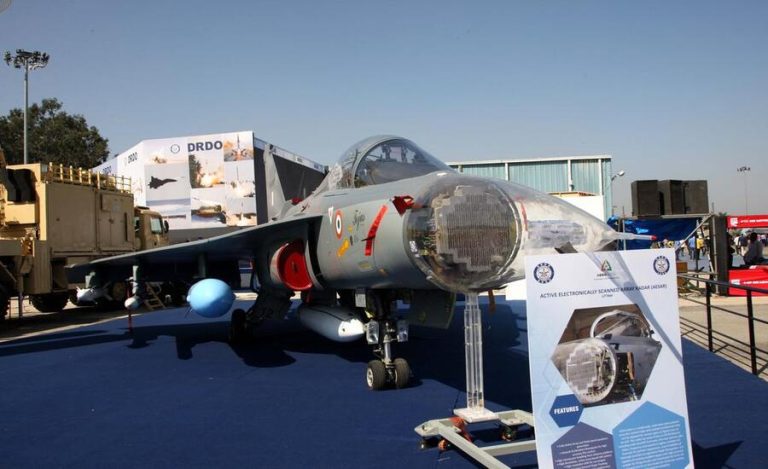
India’s Light Combat Aircraft (LCA) Tejas uses Martin-Baker ejection seat technology from the United Kingdom.
The ejection seat is not an ordinary aircraft seat. It is a highly advanced safety system designed to help pilots escape from dangerous situations, including aircraft failure and other emergencies.
Although India designs and manufactures the Tejas, some specialised components still come from foreign suppliers. The ejection seat is one such example.
What Makes An Ejection Seat So Difficult To Develop
An ejection seat must perform several complicated operations within a very short time. It must protect the pilot while helping them escape safely from the aircraft. The system must work under different conditions, including:
- High-speed aircraft movement.
- Sudden changes in altitude.
- Different aircraft positions.
- Extreme pressure and acceleration.
- Emergency situations during take-off and flight.
The seat must also separate the pilot from the aircraft without causing serious injuries. Even a small failure can put the pilot’s life at risk.
DRDO Ejection Seat Project: DRDO Begins High-Speed Rocket Sled Testing
In December 2025, DRDO conducted a high-speed rocket-sled test at its testing facility in Chandigarh, according to the information reported in the supplied news article.
The test involved examining important ejection-related operations, including canopy removal, seat ejection and parachute recovery.
This type of testing helps engineers study how an ejection system performs under controlled high-speed conditions before it is considered for use in an aircraft.
How Does A Fighter Jet Ejection Seat Work
An ejection seat follows a carefully planned sequence to help a pilot escape from a fighter aircraft.
1. Canopy Removal
The first step is to remove or break the aircraft canopy so that the pilot has a clear exit path.
2. Seat Ejection
The ejection mechanism pushes the seat and pilot out of the aircraft using a powerful propulsion system.
3. Pilot Separation
After ejection, the system separates the pilot from the seat at the correct stage of the escape sequence.
4. Parachute Deployment
The parachute opens to slow the pilot’s descent and help them reach the ground safely.
All these operations must happen within seconds and in the correct order.
DRDO Ejection Seat Project: Can India Develop A Fully Indigenous Ejection Seat
India has the scientific and engineering capabilities needed to work towards this challenging technology. However, developing an ejection seat is not simply about designing a chair with a rocket system.
The complete system must undergo extensive testing and safety evaluation. It must also demonstrate reliable performance under different flight conditions.
DRDO’s high-speed testing activities represent an important step towards strengthening India’s domestic capabilities. However, a successful test does not automatically mean that a fully indigenous ejection seat is ready for operational use.
Read also: How India Used The S-400 To Hit A Pakistani Aircraft From 314 Km Away in Operation Sindoor
FAQs
India needs an indigenous ejection seat to reduce foreign dependence, improve defence self-reliance and strengthen domestic aerospace manufacturing.
Yes. The Tejas fighter aircraft uses Martin-Baker ejection seat technology from the United Kingdom.
DRDO has undertaken high-speed rocket-sled testing related to ejection technology. However, the reported testing should not be treated as confirmation that a fully indigenous, operationally qualified ejection seat is ready.