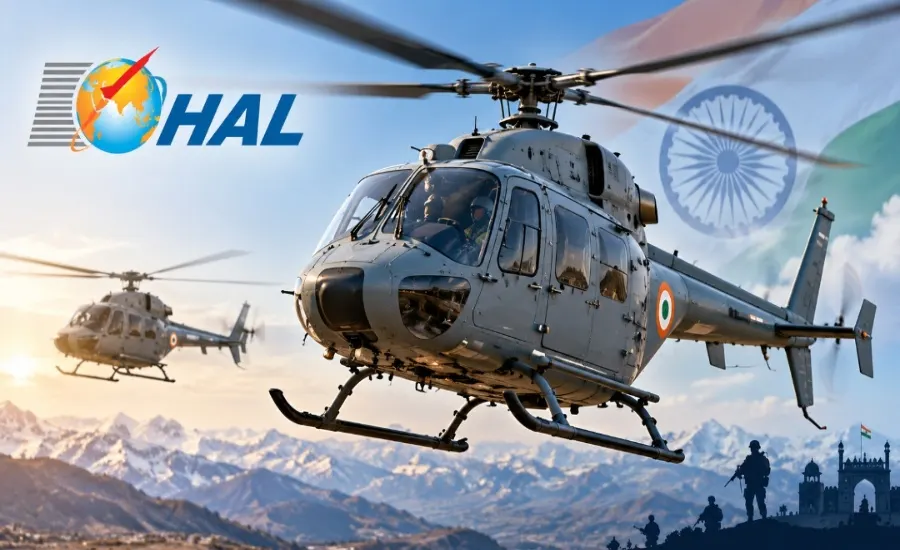
New Delhi: Hindustan Aeronautics Limited (HAL) is expected to deliver the first batch of 12 indigenous Light Utility Helicopters (LUHs) to the Indian Army and Indian Air Force in the financial year 2027–28. The planned delivery will be an important step in India’s defence modernisation programme and its efforts to develop military aircraft within the country.
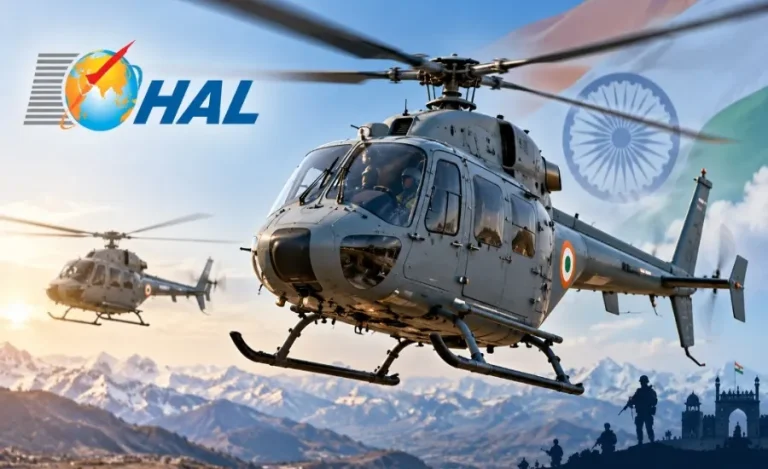
The helicopters are designed to support operations in difficult areas, including high-altitude mountain regions. They will help the armed forces replace their ageing Cheetah and Chetak helicopter fleets with a modern, locally developed platform.
HAL LUH Programme: HAL Plans First Delivery Of 12 Light Utility Helicopters
HAL is preparing to deliver 12 Limited Series Production (LSP) Light Utility Helicopters during FY 2027–28, according to a recent report citing officials familiar with the programme.
Read also: What Makes HAL’s UH-M Helicopter Different From The ALH Dhruv?
The proposed first batch will be divided equally between the two services. The Indian Army is expected to receive six helicopters, while the Indian Air Force will receive the remaining six.
These initial helicopters will help the armed forces gain operational experience with the new platform before larger-scale production and induction. However, the planned delivery depends on the completion of the remaining certification and other required activities.
What Is HAL Light Utility Helicopter Programme
The Light Utility Helicopter is an indigenous helicopter designed and developed by HAL to meet the operational needs of the Indian armed forces.
It belongs to the three-tonne class and uses a single-engine design. The helicopter is intended for multiple roles, including observation, reconnaissance, transportation and other utility missions.
HAL’s Rotary Wing Research and Design Centre has played a key role in its design and development. The LUH programme is also part of India’s broader effort to strengthen domestic defence manufacturing and reduce dependence on imported military equipment.
Why Does The Indian Army And Air Force Need The LUH
The Indian Army and Indian Air Force operate helicopters for essential missions across India’s varied terrain. These include high-altitude areas, remote mountain locations and regions with challenging weather conditions.
The older Cheetah and Chetak helicopters have served the armed forces for decades. However, replacing ageing aircraft is important for improving operational capability, reliability and long-term fleet management.
The LUH is being developed to meet these requirements with a modern design and updated onboard systems. Its induction is expected to support military operations where helicopters are needed for movement, observation, logistics and emergency assistance.
What are the Features Of HAL Light Utility Helicopters
The LUH combines a lightweight design with features intended for military operations in different environments.
Its major features include:
- Three-Tonne Class Design: The helicopter belongs to the three-tonne class and is designed for light utility missions.
- Single-Engine Configuration: It uses one turboshaft engine to power the rotor system.
- High-Altitude Capability: Its design is intended to support operations in demanding mountain environments, including the Himalayas.
- Modern Glass Cockpit: The helicopter features a digital cockpit display system to help pilots monitor flight information.
- Health And Usage Monitoring System: The aircraft incorporates a system designed to monitor the condition and use of important components.
- Multiple Operational Roles: It is intended for reconnaissance, observation, transportation and other utility tasks.
These features are designed to make the helicopter suitable for the varied operating conditions faced by India’s armed forces.
HAL LUH Programme: Engine And Flight Performance
The LUH was developed around the Safran Helicopter Engines Ardiden 1U engine, known in India as the Shakti-1U configuration.
The engine was selected to provide the power needed for the helicopter’s intended utility and high-altitude missions.
Published programme specifications have listed a maximum speed of approximately 260 km/h, a service ceiling of around 6.5 kilometres and a range of about 350 kilometres while carrying a 500-kilogram payload.
Actual performance depends on operating conditions, altitude, temperature, aircraft configuration and payload. These capabilities are important because helicopters operating in mountainous regions must perform in thin air and changing weather conditions.
Certification Remains An Important Step
Before entering regular military service, the LUH must complete the required certification and acceptance processes.
The Centre for Military Airworthiness and Certification (CEMILAC) is responsible for military airworthiness certification. The programme has already completed important development and flight-testing milestones, but the latest reporting indicates that final certification-related work remains.
This process is necessary to establish that the aircraft meets the required safety, performance and operational standards. HAL is also working on mission equipment integration and additional flight testing. These activities are important before the helicopters can be formally inducted into service.
The planned FY 2027–28 delivery timeline should therefore be understood as a target rather than a guarantee that all 12 helicopters will be delivered on a specific date.
Indian Army And Air Force Have A Combined Requirement For 187 LUHs
The LUH programme is intended to address a significant requirement for light utility helicopters.
Earlier information provided by the Ministry of Defence identified a combined requirement of 187 LUHs for the Indian Army and Indian Air Force. This included 126 helicopters for the Army and 61 for the Air Force. The first 12 aircraft planned for FY 2027–28 represent an initial step towards meeting this wider requirement.
The eventual number and timing of deliveries will depend on the programme’s progress, procurement decisions, certification and production schedules.
A successful transition to the LUH could help the armed forces gradually modernise their light helicopter fleets while strengthening India’s domestic aerospace industry.
FAQs
The planned first batch will be divided equally, with six helicopters for the Indian Army and six for the Indian Air Force.
HAL is expected to deliver the first 12 Light Utility Helicopters to the Indian Army and Indian Air Force in FY 2027–28, subject to certification and programme readiness.
The LUH is designed for reconnaissance, observation, transportation and other utility missions. It is also intended to replace ageing Cheetah and Chetak helicopters operated by India’s armed forces.