New Delhi: India’s civil aviation sector could witness a major transformation as HAL SJ-100 passenger jet manufacturing in India moves closer to reality.
Hindustan Aeronautics Limited (HAL) and Russia’s United Aircraft Corporation (UAC) are reportedly nearing a final licensing agreement that would allow local production of the SJ-100 regional passenger aircraft in India. More than 80% of the required documentation has already been finalized, according to UAC officials.
The proposed deal is expected to support the government’s Make in India vision and could mark the return of large-scale passenger aircraft manufacturing in the country after decades.
What Is The HAL-UAC SJ-100 Agreement
United Aircraft Corporation (UAC), Russia’s leading aircraft manufacturer, is in the final stages of completing a licensing agreement with HAL for local production of the SJ-100 regional jet. UAC General Director Vadim Badekha stated that over 80% of the documentation has already been settled and both sides are working toward concluding the final agreement.
Once signed, the project will move from planning and paperwork into active industrial execution, paving the way for aircraft manufacturing in India.
HAL-UAC SJ-100 Agreement: A Historic Opportunity For Indian Civil Aviation
The SJ-100 project could become one of the most important developments in India’s aviation industry. If successful, it would be the first time since the end of Avro HS-748 production in 1988 that a complete passenger aircraft is manufactured in India.
Experts believe the project can significantly strengthen India’s aerospace manufacturing ecosystem.
What Is The SJ-100 Passenger Aircraft
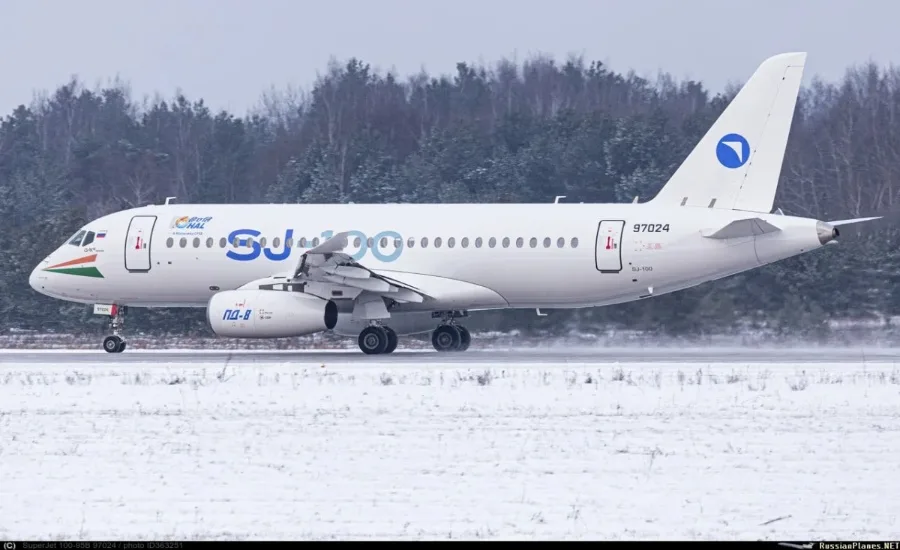
The SJ-100 is a twin-engine regional passenger aircraft developed by Russia. It is the upgraded and import-substituted version of the Superjet 100 and is powered by the new PD-8 engines. The aircraft is designed for regional routes and short-haul connectivity.
Industry experts believe the aircraft could fit well within India’s regional connectivity ambitions and support underserved routes across the country.
When Could Production Begin In India
According to UAC officials, local production of the SJ-100 in India could begin within approximately three years after the agreement is finalized and manufacturing facilities are established.
HAL has previously indicated that the first phase could involve assembly of aircraft using imported major components before gradually increasing indigenous participation and localization.
Annual Production Goals
The long-term objective is reportedly to achieve production rates of around 20 to 40 aircraft annually, depending on market demand and industrial capacity.
How HAL-UAC SJ-100 Agreement Was Built
The foundation of the collaboration was laid when HAL and UAC signed a Memorandum of Understanding (MoU) in Moscow to explore joint production of the SJ-100 aircraft in India.
Expansion Into A Broader Industrial Partnership
The cooperation later expanded into discussions covering production, certification, maintenance, technical support, and long-term industrial collaboration. The upcoming licensing agreement is expected to provide HAL with the ability to manufacture, sell, and support the aircraft in India.
Certification And Regulatory Challenges
Before large-scale operations can begin, the SJ-100 will need to meet certification requirements and obtain approvals from aviation regulators.
HAL and UAC will need to work closely with Indian aviation authorities to ensure compliance with operational and safety standards.
Market Acceptance Will Be Crucial
Industry observers note that long-term success will depend on airline adoption, operational reliability, financing options, and after-sales support. However, supporters of the project believe the aircraft could help address growing demand for regional air connectivity.
IL-114-300 Project Also Gains Momentum
Alongside the SJ-100 discussions, India and Russia have also been exploring opportunities involving the IL-114-300 turboprop aircraft.
The aircraft is designed for regional operations and could complement the SJ-100 on routes where jet operations may not be economically viable. Discussions regarding technology transfer and localized production have also progressed in recent months.
Strategic Importance of HAL-UAC SJ-100 Agreement For India
The project aligns closely with India’s objective of building indigenous aerospace manufacturing capabilities and reducing dependence on imported aircraft. Local production could generate skilled jobs, strengthen supply chains, and attract investments into the aviation sector.
Strengthening India-Russia Industrial Cooperation
The proposed agreement also reflects deepening industrial cooperation between India and Russia in high-technology sectors, including aerospace and advanced manufacturing.
FAQs
According to UAC officials, production in India could begin within about three years after the final licensing agreement is completed and manufacturing infrastructure is established.
The SJ-100 is a Russian-developed twin-engine regional passenger jet designed for short and medium-haul routes. It is an upgraded version of the Superjet 100 and uses domestically developed PD-8 engines.
The project could make India a manufacturer of passenger aircraft once again, strengthen the domestic aerospace industry, create jobs, and support regional air connectivity under the Make in India initiative.