19 October 2026
ADVERTISEMENT
ADVERTISEMENT

IAF Explains Why Aerospace Self-Reliance Is Now a National Security Priority

The Indian Air Force has urged stronger partnerships between industry, research institutions and government agencies to accelerate aerospace self-reliance, indigenous technology development and India's defence capabilities.
IAF Aerospace Self-Reliance Programme
Indian Masterminds Stories

New Delhi: IAF aerospace self-reliance is the top priority for India’s future defence and aerospace sector. The Indian Air Force (IAF) has called for stronger partnerships between defence companies, research organisations, educational institutions and government agencies to build advanced indigenous technologies and reduce dependence on foreign suppliers.

Air Marshal Sanjiv Ghuratia, Officer-in-Charge (Maintenance), Indian Air Force, shared this vision while speaking at the ‘Sankalp’ seminar organised by the Indian Air Force and the Society of Indian Defence Manufacturers (SIDM) in New Delhi.

Details of IAF Aerospace Self-Reliance Programme

The Indian Air Force said that no single organisation can make India fully self-reliant in aerospace and defence. Instead, the country needs close cooperation between:

  • Indian Armed Forces
  • Defence manufacturers
  • Research organisations
  • Universities and educational institutions
  • Certification agencies
  • Government bodies

Air Marshal Ghuratia said that sharing knowledge, technology and expertise will help India build a stronger aerospace ecosystem.

Read also: What Is the BEL GBVU Jammer? How It Gives the Indian Air Force the Power to Silence Enemy Communications

Indigenous Technology Is the Foundation of Aerospace Self-Reliance

According to the IAF, developing indigenous technology is the most important step towards aerospace self-reliance. India should design, develop and manufacture critical defence technologies within the country. This will reduce dependence on foreign supply chains and improve national security. The Air Marshal said self-reliance is no longer just an economic goal. It is now a strategic requirement for India’s defence preparedness.

Advanced Technologies Will Shape Future Warfare

Modern warfare is changing quickly because of new technologies. The Air Marshal highlighted several important areas:

  • Artificial Intelligence (AI)
  • Predictive maintenance
  • Quantum technology
  • Cyber resilience

He said India must continue investing in these technologies to strengthen its military capabilities and remain prepared for future challenges.

Atmanirbhar Bharat Is Strengthening India’s Defence Sector

Air Marshal Ghuratia appreciated the Ministry of Defence for supporting initiatives that encourage indigenous defence manufacturing. He said these efforts are helping convert the vision of Atmanirbhar Bharat into real defence capabilities by increasing local manufacturing and innovation.

IAF Aerospace Self-Reliance Programme: Excellence and Innovation Must Work Together

During his speech, Air Marshal Ghuratia referred to the teachings of the Shrimad Bhagavad Gita. He said excellence in duty is one of the guiding principles of the Indian Air Force.

According to him, operational readiness, engineering excellence and continuous innovation are essential for building a modern and self-reliant defence force.

IAF Aerospace Self-Reliance Programme: India Has Made Progress but Challenges Remain

India’s defence manufacturing sector has improved significantly over the past decade. However, the Air Marshal said that complete technological independence has not yet been achieved.

Some critical defence technologies must be developed even if they are not immediately profitable because they are essential for protecting national security.

IAF Aerospace Self-Reliance Programme: India Needs One Unified Aerospace Ecosystem

The Air Marshal said India already has skilled engineers, defence companies, research institutions and manufacturing capabilities. The next step is to bring all these organisations together under one coordinated framework. This will help India achieve technological sovereignty, improve innovation and build a globally competitive aerospace industry.

Read also: India Launches First-Ever Indian Space Industry E-Catalogue, Bringing 200+ Space Companies Onto One Platform


Indian Masterminds Stories
Join our WhatsApp Channel
ADVERTISEMENT
ADVERTISEMENT
Related Stories
ADVERTISEMENT
ADVERTISEMENT
NEWS
Tukaram Mundhe
‘Don’t Join IAS’: Why Maharashtra FDA Chief Tukaram Mundhe Would Advise His Children Against Civil Services
West Bengal Police
Kolkata Stampede: Bengal Deploys 9 IPS Officers, Including 3 IGs, for Durga Puja Crowd Control After 19 Deaths - Full List
dc-Cover-n115lt3k6k6cn5pih5aqo0rnq0-20190724021804
MP IAS Transfer: 4 Officers Shifted, Ramprakash Ahirwar Appointed Bhopal Municipal Commissioner
Gaganyaan Separation Tests
Why ISRO’s Latest Separation Test is One of the Most Important Test for India’s First Human Spaceflight
Ins samarthak
INS Samarthak Joins Indian Navy: 5 Key Facts About India’s New Warship
Right to Internet Access
Supreme Court Recognises Internet Access As A Fundamental Right For Children
Indian Defence Spending
Indian Defence Spending Push: Why A 35% Modernisation Hike Is Being Sought
IndoWings UCAV_IN_X-2
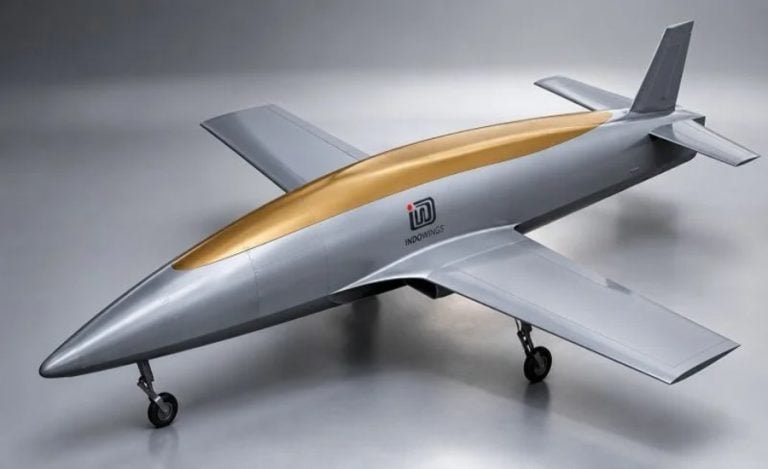
This Make in India Drone Can Reach and Trace Pakistan Within Minutes 
ADVERTISEMENT
ADVERTISEMENT
Videos
Dr Saket Badola IFS
Beyond Tigers and Safaris: How Corbett Literature Festival Wants to Change the Conservation Conversation
PK Jena
Why Technology Cannot Replace Human Connection in Governance: P.K. Jena
PK Jena
The IAS Officer Who Put People Before Paperwork: How PK Jena Challenged Corruption and Reformed Governance
ADVERTISEMENT
UPSC Stories
Bhikan Rojekar UPSC
He missed MBBS by 1 mark in 2016; Maharashtra’s Bhikan Rojekar secures UPSC AIR 812
Bhikan Rojekar secured AIR 812 in UPSC CSE 2025 in his third attempt. Read how the son of a farm labourer...
Umar Janj UPSC CAPF
15+ Failures Couldn’t Stop Him: Umar Janj Secures AIR 160 in UPSC CAPF 2025
After multiple SSB setbacks, a CAPF interview miss by 12 marks and more than 15 failures, Umar Janj secured...
Aayush Sharma
Three CDS Attempts, Five AFCAT Qualifications & Medical Setback: How Aayush Sharma Secured CAPF AIR 135
After three unsuccessful SSB attempts, five AFCAT qualifications and a medical setback, Aayush Sharma...
CSR NEWS
NBCC India CSR Award 2026
NBCC India Wins Award for Excellence in CSR at 4th Fortune Leadership Awards 2026
The recognition honours NBCC’s community welfare initiatives and efforts to improve healthcare accessibility...
HURL ALIMCO
HURL Signs MoU with ALIMCO to Support Divyangjans and Senior Citizens in Gorakhpur, Barauni and Sindri
Under its CSR initiative, HURL will support PMD-VK Gorakhpur and facilitate the distribution of need-based...
MDL CSR Support to Divyasha Vayoshri Kendra
MDL Extends ₹3.79 Crore CSR Support to Divyasha Vayoshri Kendra in Mumbai
The initiative will strengthen access to assistive devices, prosthetics and rehabilitation services for...
ADVERTISEMENT
ADVERTISEMENT
ADVERTISEMENT
Latest
Tukaram Mundhe
‘Don’t Join IAS’: Why Maharashtra FDA Chief Tukaram Mundhe Would Advise His Children Against Civil Services
West Bengal Police
Kolkata Stampede: Bengal Deploys 9 IPS Officers, Including 3 IGs, for Durga Puja Crowd Control After 19 Deaths - Full List
ADVERTISEMENT
ADVERTISEMENT
ADVERTISEMENT
ADVERTISEMENT
ADVERTISEMENT
ADVERTISEMENT
ADVERTISEMENT
Videos
Dr Saket Badola IFS
PK Jena
PK Jena
ADVERTISEMENT
ADVERTISEMENT