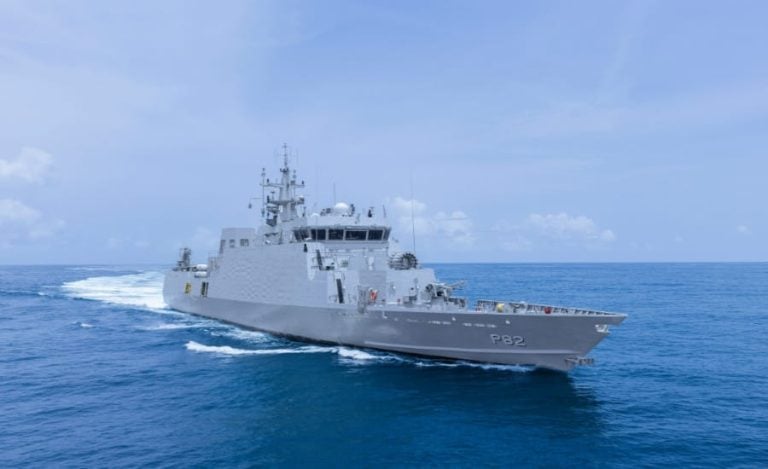
New Delhi: India’s Atmanirbhar shipping initiative is gaining strong momentum as the government of India plans to add 62 new vessels in the current financial year 2026–27. This major step aims to strengthen domestic shipping capacity, reduce dependence on foreign fleets, and improve economic resilience.
Backed by an investment of over ₹51,000 crore, the plan highlights India’s focus on becoming self-reliant in the maritime sector while supporting global trade competitiveness.
Government Announces Major Shipping Expansion Under Atmanirbhar Shipping Initiative
Union Minister for Ports, Shipping and Waterways Sarbananda Sonowal revealed that India is working on a roadmap to add 62 vessels in FY 2026–27.
This initiative is supported by an investment of around ₹51,383 crore, making it one of the biggest expansions in India’s shipping sector in recent years.
The move is part of the government’s broader Atmanirbhar Bharat mission, which focuses on boosting domestic industries and reducing reliance on imports.
Atmanirbhar Shipping Initiative: 2.85 Million GT Capacity to Strengthen Maritime Power
The planned addition of vessels is expected to create 2.85 million gross tonnage (GT) capacity. This will significantly enhance India’s ability to handle cargo, improve logistics efficiency, and strengthen its position in global shipping.
A stronger domestic fleet also means better control over trade routes and reduced freight costs for Indian businesses.
Focus on Economic Resilience and Trade Security
According to the government, shipping is now being positioned as a core pillar of India’s economic resilience.
The expansion comes at a time when global supply chains are facing uncertainties. Increasing domestic shipping capacity will help India:
- Reduce dependency on foreign shipping lines
- Improve export-import efficiency
- Ensure smoother trade during global disruptions
Push for Self-Reliance in Maritime Sector
The initiative is not just about increasing fleet size but also about promoting indigenous shipbuilding.
The government aims to:
- Encourage domestic shipyards
- Build specialized vessels within India
- Support industries linked to maritime manufacturing
This aligns with earlier reforms and investments made to boost India’s shipbuilding ecosystem.
Multi-Sector Benefits: Jobs, Industry Growth, and Innovation
The large-scale investment is expected to create multiple benefits:
1. Employment Generation
Shipbuilding and maritime services will create thousands of jobs across sectors.
2. Industrial Growth
Demand for steel, engineering, and technology will rise due to vessel construction.
3. Technological Advancement
India may develop advanced and specialized vessels, including those for future fuels like ammonia.
Strategic Importance of Atmanirbhar Shipping Initiative
The plan also has strategic importance. With rising geopolitical tensions and changing trade routes, having a strong domestic fleet ensures:
- Better control over maritime trade
- Improved national security
- Reduced exposure to global freight volatility