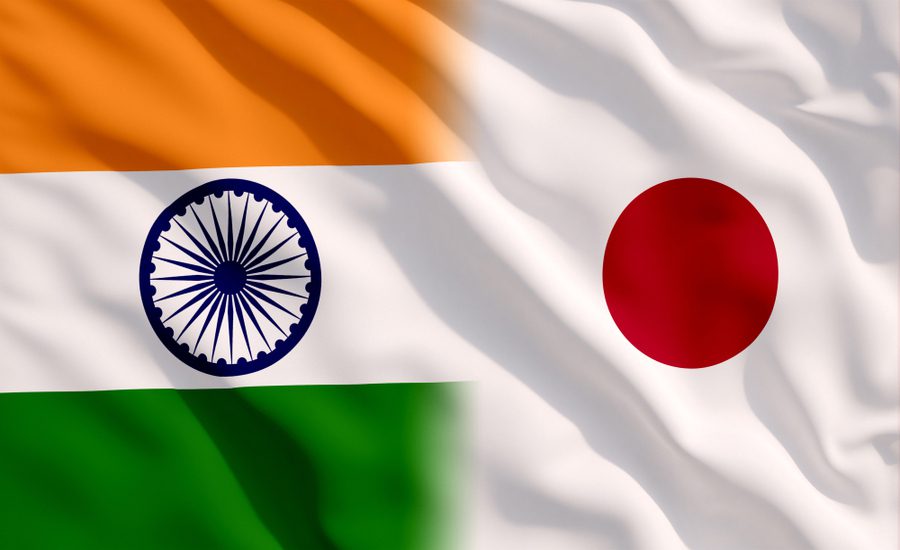
Tokyo: India Japan have agreed to accelerate defence cooperation in niche underwater and missile technologies, while also moving towards an agreement on reciprocal ship repair facilities.
The decisions were discussed during the fourth India-Japan 2+2 Foreign and Defence Ministerial Meeting held in Tokyo on November 19, 2026.
Defence Minister Rajnath Singh and his Japanese counterpart Shinjiro Koizumi discussed ways to strengthen maritime security, defence technology and industrial cooperation. The developments mark another important step in the growing strategic partnership between the two countries.
India-Japan 2+2 Foreign and Defence Ministerial Meeting: Key Announcements
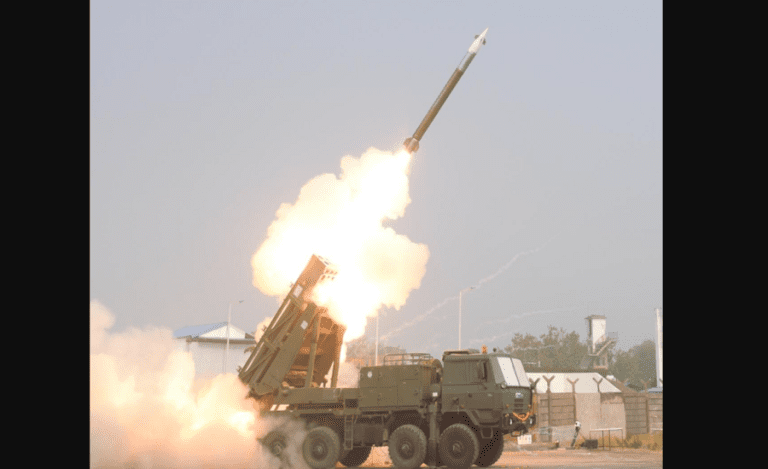
One of the key outcomes of the meeting was the decision to speed up cooperation in niche underwater and missile technologies.
Read also: India-Japan Defence Deal: How UNICORN Could Strengthen Indian Navy Warships
Defence Minister Rajnath Singh highlighted the importance of expanding defence technology cooperation between India and Japan. Both countries want to strengthen their ability to develop advanced defence systems and technologies.
The two countries are also working to expand cooperation between India’s Defence Research and Development Organisation (DRDO) and Japan’s Acquisition, Technology and Logistics Agency (ATLA).
During their separate bilateral meeting, the defence ministers confirmed plans to strengthen research and development cooperation in advanced missile and defence technologies.
This partnership could create new opportunities for both countries to share technical knowledge, research capabilities and defence manufacturing expertise. However, the governments have not yet announced specific joint underwater or missile development projects under this latest initiative.
India-Japan 2+2 Foreign and Defence Ministerial Meeting: India And Japan Move Towards Ship Repair Agreement
Another important development is the proposed Maritime Ship Repair Arrangement (MSRA) between India and Japan.
Both countries are working towards an early conclusion of an agreement that will allow their naval vessels to access ship repair facilities in each other’s countries.
Under this arrangement, Indian and Japanese naval vessels could receive repair and maintenance services at selected shipyards in both countries.
This cooperation is important because naval vessels operating across the Indo-Pacific region need reliable repair and maintenance facilities.
It could also reduce the need for ships to travel long distances to access suitable repair infrastructure.
The two countries had already agreed in August 2026 to move forward with reciprocal ship repair facilities. The latest discussions have renewed the focus on completing the arrangement.
Maritime Security Cooperation Gets A Major Push in India-Japan 2+2 Foreign and Defence Ministerial Meeting
India and Japan have also agreed to strengthen maritime security cooperation through their existing Memorandum of Arrangement on Maritime Security Cooperation.
The agreement provides a framework for closer cooperation between the Indian Navy and Japan Maritime Self-Defence Force (JMSDF). The main areas of cooperation include:
- Maritime Domain Awareness: Sharing information to improve awareness of activities across important sea routes.
- Search And Rescue: Improving cooperation during emergencies at sea.
- Information Sharing: Strengthening communication between the naval forces of both countries.
- Mine Countermeasures: Improving capabilities to detect and deal with naval mines.
- Humanitarian Assistance: Working together during natural disasters and other emergencies.
Both sides have also agreed to explore the possibility of joint development in naval shipbuilding and design. A working group will follow up on these areas and help turn the discussions into practical cooperation.
Japan’s UNICORN Naval Technology Project Also In Focus
India and Japan are also moving forward with cooperation on the UNICORN naval antenna system. UNICORN stands for Unified Complex Radio Antenna. It is an integrated communications antenna system designed for naval vessels.
The technology combines multiple communication antennas into a single integrated structure. The system is expected to improve communication capabilities and support the modernisation of Indian Navy warships.
During the November 19 meeting, both defence ministers expressed expectations for an early conclusion of the arrangements related to UNICORN. They also referred to India’s Acceptance of Necessity (AoN) by February 2027.
The project is part of the broader defence industrial cooperation framework known as ‘Design With Japan, Make In India’.
Japan Self-Defence Forces To Conduct Live-Fire Training In India
Another significant outcome of the India-Japan defence discussions is the signing of a Letter of Intent (LOI) for the use of firing ranges in India by Japan’s Self-Defence Forces.
Under the proposed arrangement, Japanese forces will be able to conduct live-fire training at Indian firing ranges for the first time. The training will also include exercises involving surface-to-ship missiles.
Both countries have agreed to speed up the necessary coordination to implement this arrangement.
The initiative is expected to create more opportunities for military interaction and improve operational cooperation between the two countries.
FAQs
The proposed MSRA is an arrangement that will allow Indian and Japanese naval vessels to access repair and maintenance facilities in each other’s countries.
India and Japan agreed to accelerate cooperation in underwater and missile technologies, strengthen maritime security, explore joint naval shipbuilding and move towards a reciprocal ship repair arrangement.
UNICORN is an integrated naval communications antenna system. India and Japan are cooperating on arrangements related to its potential use on Indian Navy warships.