New Delhi: The Indian Army’s 300 critical tank spare parts initiative could create new opportunities for Indian manufacturers, including Micro, Small and Medium Enterprises (MSMEs) and start-ups. The reported plan aims to strengthen domestic defence manufacturing, reduce dependence on foreign suppliers and improve the availability of spare parts for armoured vehicles such as the T-72 and T-90 tanks.
According to a report, the Army is preparing a list of 300 critical spare parts for domestic development and manufacturing. However, an official government announcement confirming this specific 300-item list was not available.
Details of Indian Army Critical Tank Spare Programme
The Indian Army depends on a large supply network to maintain its tanks, armoured vehicles and other military equipment. Timely availability of spare parts is important to keep these platforms operational.
Read also: Inside India’s Plan To Protect T-90 Tanks From Modern Drone Attacks
The reported initiative aims to involve more private manufacturers in producing components that are currently difficult to source through traditional supply channels.
The Army’s Master General of Sustenance (MGS) branch is reportedly preparing a detailed list of 300 important spare parts. The list is expected to provide manufacturers with information about the components required by the armed forces.
This could help Indian companies understand defence requirements and develop suitable products for military use.
MSMEs And Start-Ups Could Get New Defence Manufacturing Opportunities
The initiative could give smaller Indian companies a bigger role in the country’s defence manufacturing sector.
MSMEs and start-ups may get opportunities to develop specialised components, use advanced manufacturing technologies and work with military maintenance organisations.
The government has already introduced several measures to encourage smaller businesses to enter the defence supply chain.
According to the Ministry of Defence, these include financial relaxations for recognised start-ups and MSMEs, exemptions from Earnest Money Deposit (EMD) requirements for eligible small enterprises and dedicated innovation programmes.
These measures are designed to increase private-sector participation and support domestic defence production.
Indian Army Critical Tank Spare Programme: Army And MSME Ministry Signed An Important Agreement
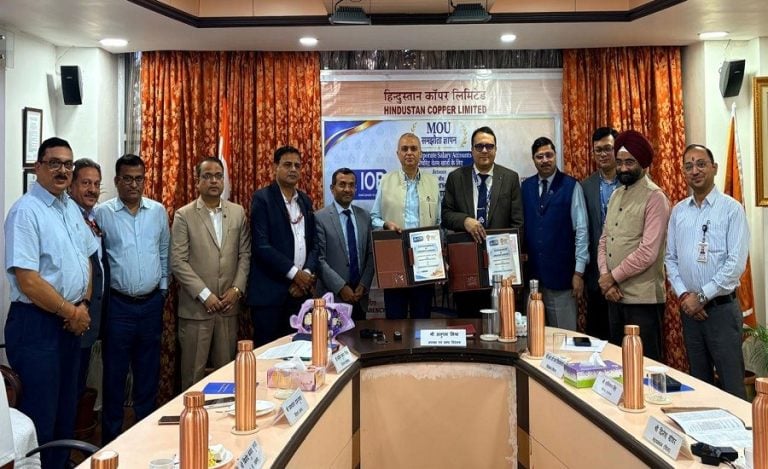
The reported initiative also follows an important agreement between the Indian Army and the Ministry of Micro, Small and Medium Enterprises. The two organisations signed a Memorandum of Understanding (MoU) on January 23, 2026.
According to the Indian Army’s January 2026 publication, the agreement aims to promote cooperation between Army Base Workshops, Corps Zone Workshops and 33 Technology Centres operating under the MSME Ministry.
The partnership focuses on research, manufacturing and the use of modern technologies. These include advanced machining, 3D printing, drone technology, Industrial Internet of Things (IIoT), augmented reality and virtual reality.
The collaboration could improve the ability of Army workshops and Indian industries to develop specialised defence components.
India’s Defence Indigenisation Push Includes T-72 And T-90 Tanks
India is already working to reduce its dependence on imported defence components.
On August 18, 2026, the Ministry of Defence announced the sixth Positive Indigenisation List, which included 405 strategically important items. These items cover different defence platforms, including T-72 tanks, T-90 tanks and BMP-II infantry combat vehicles.
The list includes spare parts, sub-systems, components and other important materials that are expected to be developed and manufactured in India.
The government also uses the SRIJAN Defence Portal to connect defence organisations with domestic manufacturers, including MSMEs and start-ups.
According to the Ministry of Defence, more than 33,000 defence items had been offered for indigenisation through the portal up to June 2026.
More than 15,700 defence items had also been successfully indigenised, resulting in an estimated import substitution value of approximately ₹9,000 crore over five years.
Why Indigenous Tank Spare Parts Matter For India’s Defence Sector
The availability of spare parts directly affects the maintenance and operational readiness of military vehicles.
Dependence on foreign suppliers can create challenges related to delivery timelines, international supply chains and component availability.
Domestic manufacturing can help address these challenges by building local production capabilities. It can also encourage Indian companies to invest in research, engineering, advanced manufacturing and quality testing.
For MSMEs and start-ups, participation in defence manufacturing could create opportunities to develop specialised products and establish long-term relationships with defence organisations. However, all military components must meet strict technical, safety and quality requirements before they can be accepted for operational use.
Read also: What Is the T-90MS Tank? Why Russia Wants India to Build It After the 1,000th T-90S Milestone
FAQs
According to a report, the Indian Army is preparing a list of 300 critical spare parts for domestic development and manufacturing. The specific list has not yet been independently confirmed through an official government announcement.
The Indian Army is promoting domestic manufacturing to reduce dependence on foreign suppliers, improve spare parts availability and strengthen the maintenance of military vehicles.
MSMEs and start-ups can participate through defence procurement programmes, the SRIJAN Defence Portal, Innovations for Defence Excellence (iDEX) and other government-supported indigenisation initiatives.