New Delhi: India’s indigenous defence technology programme has reached an important milestone, as Data Patterns has completed the hardware development of its Hawk-I-2700 AESA radar for the Indian Air Force’s Su-30MKI fighter aircraft. However, critical software integration work remains incomplete, creating delays in the programme. The company is exploring technical support from DRDO and Russian aircraft manufacturers to overcome the challenge and move towards flight testing.
Hawk-I-2700 Radar Hardware Development Completed
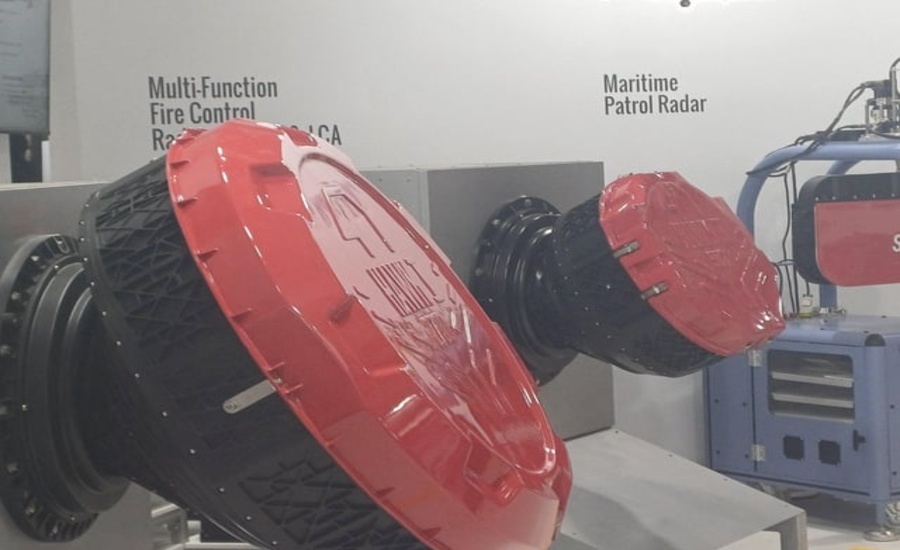
Chennai-based defence electronics company Data Patterns has completed the hardware development of its Hawk-I-2700 Active Electronically Scanned Array (AESA) radar.
Read also: Meet Hawk-I 900: India’s Powerful New AESA Radar Built for MiG-29 and Tejas
The radar is designed to improve the detection, tracking and targeting capabilities of fighter aircraft. It is also being considered as a potential option for India’s upcoming Su-30MKI modernisation programme.
First showcased at Aero India 2025, the Hawk-I-2700 represents India’s growing capabilities in developing advanced airborne radar technology through domestic private companies.
The system uses approximately 2,700 Transmit/Receive Modules (TRMs) and is based on Gallium Nitride (GaN) technology.
HAWK-I-2700 Radar Software Integration Becomes A Major Challenge
Although the radar hardware is ready, completing its software development and integration has become a major challenge for Data Patterns.
The company initially planned to obtain the required software support from an external supplier. However, that arrangement did not work out as expected.
The software is essential because the new radar must communicate properly with the Su-30MKI’s existing avionics, onboard computers and other aircraft systems. Without successful integration, the radar cannot move towards final fighter aircraft testing and operational certification.
Data Patterns Seeks DRDO And Russian Technical Support
To address the software development challenge, Data Patterns is exploring technical assistance from the Defence Research and Development Organisation (DRDO).
The company is also discussing possible support with Russian original equipment manufacturers (OEMs), which have experience with the Su-30MKI aircraft and its existing systems.
These discussions are important because integrating a new Indian radar into an existing Russian-designed fighter aircraft requires specialised technical knowledge.
The objective is to ensure that the new radar works smoothly with the aircraft’s existing systems without affecting its operational performance.
HAWK-I-2700 Radar: UAV Testing Could Help Reduce Integration Risks
Data Patterns is also exploring the use of Unmanned Aerial Vehicles (UAVs) as testing platforms for its airborne radar software.
This approach could help engineers test the software architecture and radar performance in real flight conditions before attempting integration with a complex fighter aircraft.
Testing on UAVs could also help identify technical problems at an earlier stage and reduce the risks associated with fighter aircraft trials. However, UAV testing does not replace the final integration, flight trials and certification required for the Su-30MKI.
Hawk-I-2700 Radar: Key Technical Features
The Hawk-I-2700 is an indigenous X-band AESA radar developed using advanced semiconductor technology.
According to previously disclosed company specifications, its major features include:
- Radar Technology: Active Electronically Scanned Array (AESA).
- Transmit/Receive Modules: Approximately 2,700.
- Semiconductor Technology: Gallium Nitride (GaN).
- Operating Frequency: 8–12 GHz (X-band).
- Peak Power Output: Approximately 25.28 kW.
- Detection Range: Up to 350 km against specified large radar targets.
- Tracking Range: Up to 250 km against specified medium-sized targets.
These figures represent disclosed performance specifications, not independently confirmed operational performance on the Su-30MKI.
GaN technology offers better power efficiency, heat management and durability, making it useful for advanced military radar systems.
Hawk-I-2700 Vs DRDO’s Virupaksha Radar
The Hawk-I-2700 is also part of India’s growing competition in indigenous airborne radar development.
DRDO is developing another advanced AESA radar known as Virupaksha for the Su-30MKI modernisation programme.
Both radar systems aim to replace the older Russian-origin N011M Bars radar currently used by the aircraft. However, the selection of a radar for the Su-30MKI upgrade will depend on technical evaluation, integration requirements, testing and decisions by the Indian defence authorities.
The completion of Hawk-I-2700 hardware is an important development, but it does not mean that the radar has been selected for the final upgrade programme.
Read also: India’s HAWK AESA Radar Project Hits Key Milestone, Data Patterns Seeks DRDO Expertise
FAQs
The radar is facing delays because its software development and integration are not yet complete. The new radar must communicate properly with the existing avionics and onboard systems of the Su-30MKI aircraft.
The Hawk-I-2700 is an indigenous X-band Active Electronically Scanned Array (AESA) radar developed by Data Patterns. It uses approximately 2,700 GaN-based Transmit/Receive Modules and is being developed for potential integration with Indian fighter aircraft.
The Hawk-I-2700 is a potential contender for the Su-30MKI modernisation programme. However, its final selection depends on technical evaluation, successful integration, testing and decisions by the Indian defence authorities.