New Delhi: India’s growing defence power depends not only on missiles and fighter jets but also on the microchips that control them. At the Semiconductor Summit 2026 in Chennai, leading scientists warned that indigenous chip production in India is essential to protect advanced defence systems from foreign supply disruptions and security risks.
They called for a complete domestic semiconductor ecosystem, covering chip design, manufacturing, testing and packaging. The warning highlights why India needs to strengthen its technology capabilities to protect its future military systems and reduce dependence on imported chips.
Why Indigenous Chip Production Is Important For India
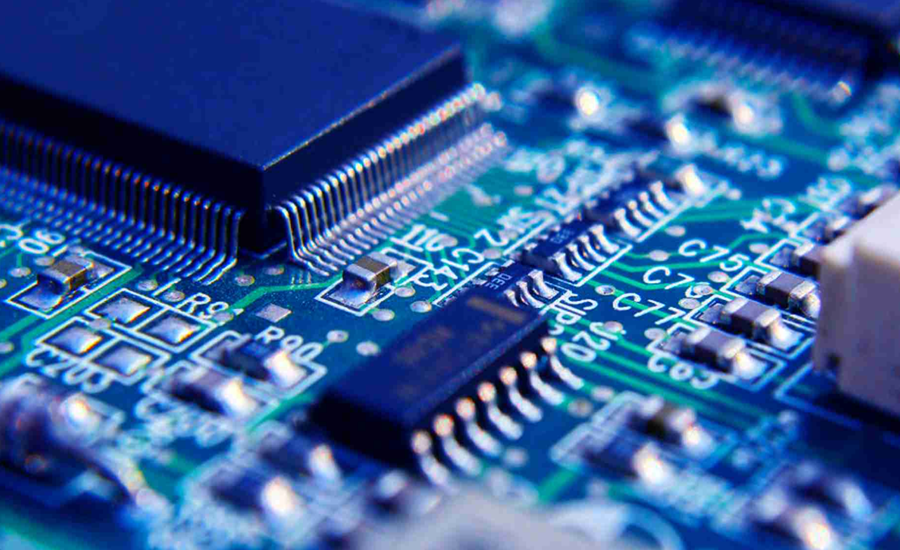
Semiconductors are tiny electronic components that help computers, communication systems, radars, missiles and fighter aircraft work. They process information, control operations and help weapons respond quickly to changing situations.
According to the experts, modern warfare increasingly depends on connected defence systems rather than individual weapons. These systems share information through communication networks, sensors and computers to identify threats and coordinate military responses.
If India depends heavily on foreign-made chips, supply shortages, export restrictions or security problems could affect important defence programmes. Domestic manufacturing could help India maintain better control over critical military technology.
Scientists Warn About Foreign Chip Dependence
Former Defence Research and Development Organisation (DRDO) chief Dr V. K. Saraswat highlighted the growing role of semiconductor technology in modern warfare.
He explained that military operations increasingly depend on intelligence, communication networks and the fast exchange of information. These capabilities require reliable electronic systems powered by advanced chips.
The experts also raised concerns about relying on foreign technology for sensitive military data, cloud services and navigation systems. They argued that India needs greater control over the hardware and software used in critical defence networks.
BrahMos Missile Depends On Advanced Processors
The BrahMos supersonic cruise missile is one of India’s important precision-strike weapons. Its performance depends on several technologies, including guidance systems, onboard computers and electronic components.
Dr A. Sivathanu Pillai, the founder of BrahMos Aerospace, explained that processors help the missile make rapid flight-path corrections. These corrections are important for reaching its intended target accurately.
Reliable and secure chips are therefore an important part of modern missile technology. Developing more of these components in India could reduce the risks linked to overseas suppliers.
Tejas MK-2 Will Need Greater Computing Power
The upcoming Tejas MK-2 fighter aircraft is expected to use advanced avionics, sensors and mission computers. These systems help pilots understand battlefield conditions and manage different aircraft functions.
As military aircraft become more advanced, they must process increasing amounts of information from onboard sensors and other systems. This makes reliable semiconductor technology increasingly important.
Developing domestic chips could support India’s long-term goal of building more advanced aircraft and reducing dependence on foreign technology.
Sudarshan Chakra Air Defence System Needs Secure Technology
India’s proposed Sudarshan Chakra air defence system aims to strengthen protection against different types of aerial threats. The planned system is expected to connect information from multiple sensors and defence platforms.
Such a network would require fast data processing, secure communications and reliable electronic components. Artificial intelligence could also help analyse information and support threat detection.
The scientists warned that dependence on imported chips could create supply-chain and security risks. Building trusted domestic technology would help strengthen the country’s ability to develop and maintain such complex defence systems.
India Faces A Gap In Advanced Chip Manufacturing
One of the biggest challenges is the gap between India’s existing chip-manufacturing capabilities and the most advanced technologies available globally.
During the discussion, experts highlighted the importance of moving beyond older manufacturing processes towards more advanced semiconductor technologies. They also stressed that India should not delay efforts to develop future-generation chips.
However, not every defence system needs the smallest possible chip. The required technology depends on the system’s power consumption, performance, reliability and operating environment.
For many military applications, dependable chips designed for specific tasks can be just as important as the latest high-performance processors.
Indigenous Chip Production Through India’s Semiconductor Mission Could Help
The Indian government is working to build a domestic semiconductor industry through the India Semiconductor Mission.
In July 2026, the Union Cabinet approved Semicon India 2.0 with a financial outlay of ₹1,27,500 crore. The programme aims to strengthen chip design, manufacturing, research, advanced packaging, equipment, materials and workforce development.
These efforts could support the wider electronics industry and create opportunities to develop components for strategic sectors, including aerospace and defence.
However, building a complete semiconductor ecosystem requires sustained investment, specialised skills, reliable infrastructure and cooperation between the government, research institutions and private companies.
Read also: SEMICON India 2026: How India Is Building a Global Semiconductor Powerhouse
FAQs
Semiconductors support onboard computers, guidance systems, avionics, sensors and communication equipment. They help these defence platforms process information and perform important operations.
Indigenous chip production can reduce dependence on foreign suppliers, improve supply-chain security and give India greater control over the electronic components used in missiles, fighter aircraft, radars and air defence systems.
Semicon India 2.0 aims to strengthen India’s semiconductor ecosystem through chip design, manufacturing, advanced packaging, research, equipment, materials and workforce development. The Union Cabinet approved the programme in July 2026 with an outlay of ₹1,27,500 crore.