New Delhi: Delhi SIR case has raised important questions about why voters missing from the draft electoral roll must submit Form 6, which is generally used by first-time applicants for voter registration. The Court questioned whether people who were already registered should get a simpler way to restore their names to the voter list.
The case concerns the Election Commission of India’s Special Intensive Revision (SIR) exercise in Delhi and the risk of eligible voters being left out.
Delhi SIR Case: Supreme Court Questions The Form 6 Requirement
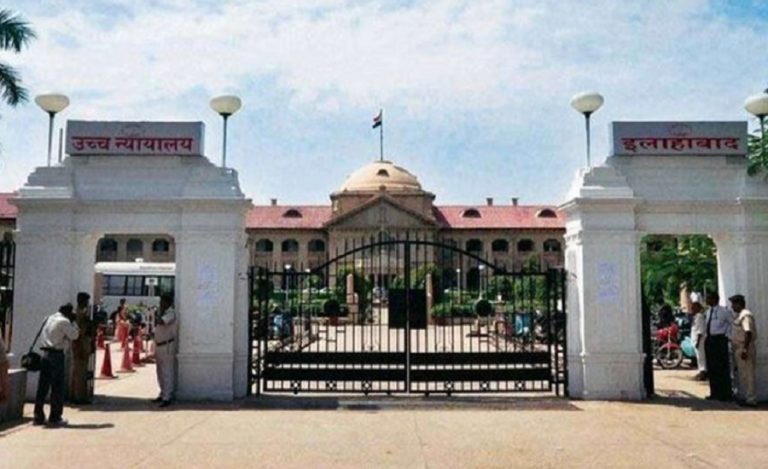
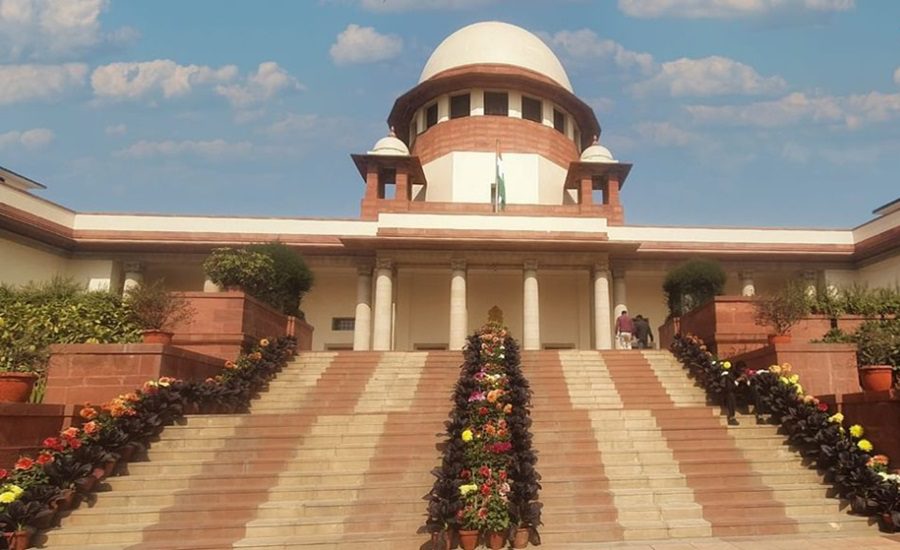
The Supreme Court questioned the Election Commission of India (ECI) over its requirement that certain excluded voters submit Form 6 to get their names included in the revised voter list.
Read also: Constitutional Experts Launch Nationwide Inquiry Into Election Commission’s SIR Exercise
The Court asked why people who were already registered voters should have to follow a process meant for first-time registration. It suggested that voters who missed the enumeration process should be allowed to submit their forms late, subject to verification.
The Court also raised concerns about treating all excluded voters in the same way, even when they may have different reasons for missing the process.
Why Are Voters Missing From The Draft Electoral Roll
Advocate Prashant Bhushan, representing the petitioner, told the Court that around 43 lakh people had been excluded from Delhi’s draft voter list.
According to the arguments presented, many people were left out because they had moved homes, were recorded as absent, or had not submitted their enumeration forms.
Some voters reportedly said they did not know they had to submit these forms. The petitioner’s side argued that many of them were already registered in earlier electoral rolls.
Why Did The Court Question Form 6
The Court questioned why previously registered voters should have to submit Form 6, which is intended for people seeking voter registration for the first time.
The petitioner’s counsel argued that these voters should be allowed to submit their missed enumeration forms instead. Voters who had shifted residence could also be given the appropriate process for updating their details.
The Court indicated that the Election Commission should consider a practical solution rather than making the process unnecessarily difficult for eligible voters.
Supreme Court Says The Right To Vote Is Important
Justice Joymalya Bagchi observed that the right to vote is a vital right and must not be taken away lightly.
The Court stressed that the Election Commission must conduct the voter revision exercise carefully. It also questioned whether a voter should permanently lose the opportunity to be included simply because they could not respond during the earlier process.
The Court suggested creating a separate category for people who failed to submit their forms for reasons other than shifting residence or being absent.
Such voters could be allowed to explain their circumstances and provide supporting documents. The authorities could then decide whether their names should be included.
Delhi SIR Case: Election Commission Explains Its Position
Senior advocate Dama Seshadri Naidu, representing the Election Commission, told the Court that the SIR process was designed to improve the accuracy of electoral rolls.
He said the exercise was not intended to permanently exclude eligible voters. According to the ECI’s submissions, people could approach the authorities and seek inclusion even after publication of the relevant list, subject to applicable deadlines and procedures.
The Commission also said that the process had developed over time, drawing on earlier experience, including the exercise conducted in Bihar.
Supreme Court Seeks Wider Public Awareness
The Court asked the Election Commission to publish information about excluded voters in simple language.
It said people should be clearly informed that their names appeared in earlier electoral rolls but were missing from the draft list. They should also be told how to approach election officials and submit the necessary documents.
The Court emphasised that better communication could help eligible voters take corrective steps before it became too late.
FAQs
Advocate Prashant Bhushan told the Supreme Court that around 43 lakh people had been excluded from the draft electoral roll.
The Supreme Court questioned why previously registered voters whose names were missing from the draft electoral roll had to submit Form 6, which is generally used for first-time voter registration.
Eligible voters may approach the relevant election authorities and seek inclusion under the applicable procedures and deadlines. They should check the latest instructions from the Election Commission or their local electoral registration officer.