New Delhi: The Rafale X-guard decoy system became a major topic of discussion after reports claimed it played an important role during Operation Sindoor in May 2025. According to multiple defence reports, the Indian Air Force used advanced electronic warfare systems on Rafale fighter jet to confuse enemy radars and missile systems, reducing the risk to pilots and aircraft. Reports later suggested that some claims of successful interceptions may have involved decoys rather than actual fighter jets.
What Was Operation Sindoor
Operation Sindoor was launched by India in May 2025 against terrorist infrastructure located across the border. The operation involved precision strikes using advanced air power and long-range weapons. Rafale fighter jets reportedly played a key role in the mission.
Read also: The Untold Story of Operation Sindoor: How ‘Ghost Targets’ May Have Fooled Chinese PL-15 Missiles
Air Battle And Competing Claims
Following the operation, Pakistan claimed that it had shot down multiple Indian fighter aircraft, including Rafale jets. However, Indian officials rejected these claims. Later reports and analyses questioned whether some of the reported “kills” were actually electronic decoys rather than real aircraft.
What Is The Rafale X-Guard Decoy System
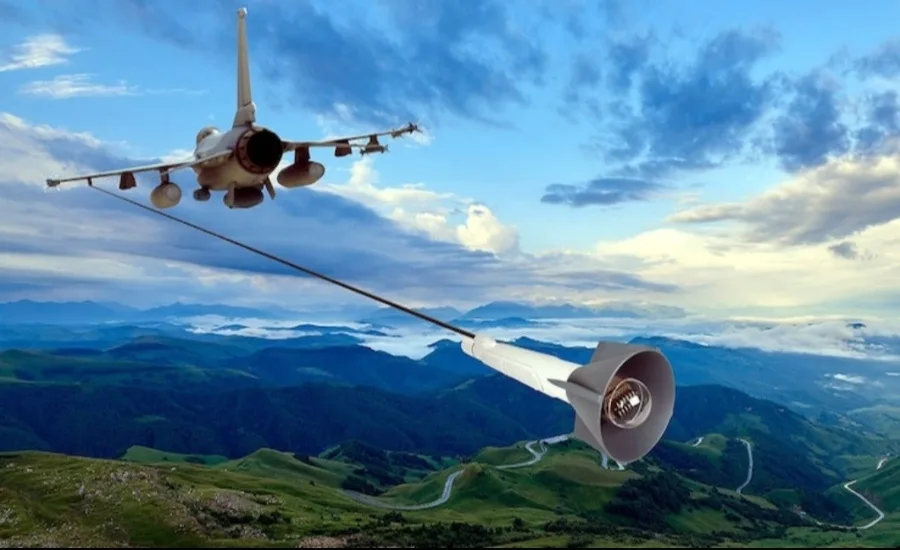
The X-Guard is an advanced fiber-optic towed decoy developed to protect fighter aircraft from radar-guided missiles. The system is deployed behind the aircraft and emits signals designed to imitate the radar signature of the fighter jet. This can mislead enemy radar and missile systems.
How Does the Rafale X-Guard Decoy System Work?
The decoy is connected to the aircraft by a fiber-optic cable and trails behind the jet during combat operations. It generates electronic signals that resemble the aircraft’s radar profile, encouraging enemy missiles to lock onto the decoy instead of the real fighter jet.
Artificial Intelligence Support
Reports indicate that the X-Guard system can continuously modify its signal characteristics to confuse hostile sensors. This makes it more difficult for enemy radar systems to identify the actual aircraft.
How Did The Rafale X-Guard Decoy System Allegedly Affect Operation Sindoor
Several defence reports cited by Jane’s Defence Weekly suggested that some Pakistani claims of hitting Indian Rafales may have resulted from successful strikes on X-Guard decoys rather than the actual aircraft.
Radar And Missile Confusion
According to these reports, enemy radar systems may have tracked the decoy as if it were the real aircraft. As a result, missiles could have been directed toward the decoy, allowing the Rafale to remain safe and continue its mission.
Importance Of Electronic Warfare
Modern air combat is no longer based only on speed, missiles, and radar. Electronic warfare systems, signal deception, and sensor confusion now play a major role in determining mission success.
Why Are Electronic Decoys Important
Towed decoys help protect expensive fighter aircraft and their pilots from enemy missile attacks. By attracting incoming missiles away from the aircraft, these systems significantly improve combat survivability.
Cost-Effective Defence
Destroying a decoy is far less costly than losing a fighter jet worth hundreds of millions of dollars. This makes electronic warfare systems an essential part of modern military aviation.
Future Of Air Warfare
Military experts increasingly view electronic warfare, cyber operations, artificial intelligence, and deception technologies as critical elements of future conflicts.
Official Position And Ongoing Debate
Indian defence officials have rejected claims that multiple Rafale aircraft were shot down during Operation Sindoor. Subsequent reports, including references to Indian Air Force documentation and independent analyses, have challenged the narrative that multiple Rafales were destroyed during the operation.
At the same time, some independent international reports have noted that the exact details of aircraft losses remain debated, highlighting the difficulty of verifying wartime claims.
Strategic Lessons From Operation Sindoor
Operation Sindoor highlighted how advanced electronic warfare systems can influence the outcome of military operations. The event demonstrated that radar deception and sensor spoofing can be as important as missiles and fighter aircraft themselves.
Importance Of Information Verification
The episode also showed how competing wartime narratives can spread quickly. Independent verification and official evidence remain essential before accepting claims made during military conflicts.
Read also: Will Rafale Fighter Jets Be Built In India? Here’s What Dassault’s Latest Report Says
FAQs
A towed decoy emits signals similar to the aircraft’s radar signature, causing enemy missiles to target the decoy instead of the real aircraft.
The X-Guard is a fiber-optic towed decoy system designed to protect Rafale fighter jets by confusing enemy radar and missile systems.
Defence analysts widely view the operation as an example of how electronic warfare, radar spoofing, and advanced decoy systems can significantly improve aircraft survivability in modern combat.