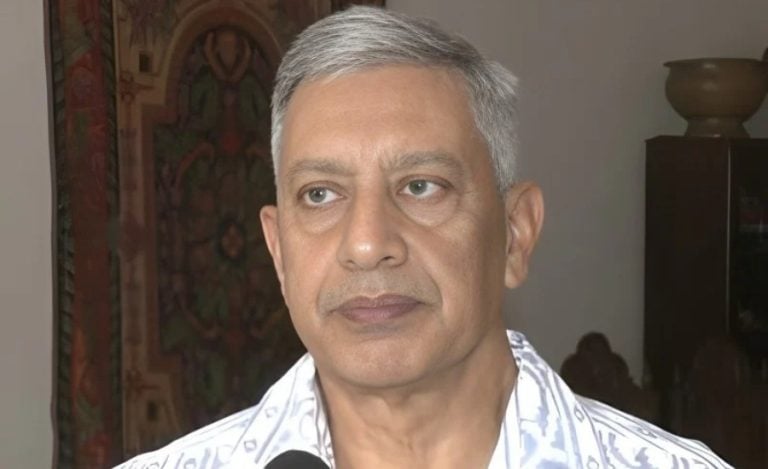
New Delhi: The Tejas Mk2 fighter jet programme has come under fresh debate after former Indian Air Force Vice Chief Air Marshal Nagesh Kapoor questioned whether the aircraft will remain fully relevant for frontline combat by the mid-2030s. His remarks have reignited discussions about India’s fighter modernization plans, production delays, and growing regional security challenges. At the same time, defense experts stress that Tejas Mk2 remains a crucial part of India’s long-term air power strategy and self-reliance goals.
Former IAF Vice Chief Raises Concerns Over Tejas Mk2 Fighter Jet Programme Timeline
Air Marshal Nagesh Kapoor recently expressed concerns regarding the operational relevance of the Tejas Mk2 when it enters service in larger numbers during the 2030s. He argued that regional rivals are rapidly advancing toward fifth-generation and even sixth-generation fighter technologies, potentially creating a capability gap for India.
Read also: Indian Air Force Launches Hawk Trainer Replacement Program: Key Details Explained
Why Kapoor Is Concerned
According to Kapoor, China is progressing toward next-generation fighter aircraft while Pakistan is also exploring advanced fighter acquisitions.
He believes that introducing a 4.5-generation fighter in large numbers during the mid-2030s may raise questions about its frontline effectiveness against future threats.
Tejas Mk2 Fighter Jet Programme Is Not Being Rejected Completely
Despite his criticism, Kapoor did not dismiss the Tejas Mk2 program. He acknowledged that India cannot rely only on a small fleet of highly advanced aircraft and will still require large numbers of capable multirole fighters for national defense missions.
Important Role In India’s Air Force Structure
Military planners often support a “high-low mix” strategy. Under this approach, advanced aircraft such as AMCA and Rafale would perform the most demanding missions, while Tejas Mk2 would provide broader coverage for air defense, strike operations, and tactical missions.
What Makes Tejas Mk2 Fighter Jet Programme Important
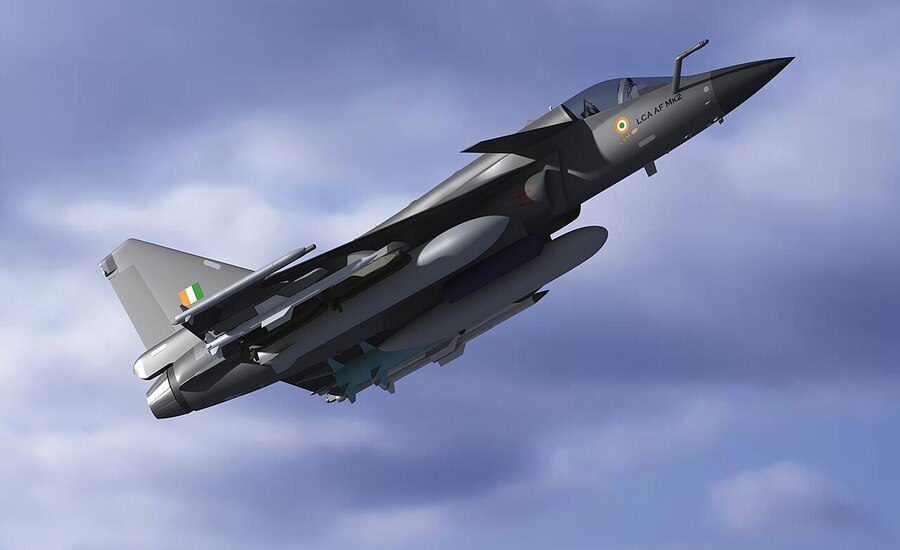
The Tejas Mk2 is a medium-weight multirole fighter designed by the Aeronautical Development Agency (ADA) and Hindustan Aeronautics Limited (HAL).
It features a more powerful engine, advanced avionics, modern sensors, increased fuel capacity, and expanded weapons-carrying capability compared to earlier Tejas variants.
Large Weapons Payload
The aircraft is expected to carry up to 6.5 tonnes of weapons across 11 hardpoints. It will be capable of deploying advanced indigenous weapons including Astra beyond-visual-range missiles and future BrahMos-NG cruise missiles.
Delays Continue To Worry The IAF
One of Kapoor’s biggest concerns involves delays in India’s fighter aircraft programs. He criticized the slow pace of deliveries and questioned whether production timelines are matching the operational needs of the Indian Air Force.
Tejas Mk1A Delays Add To Concerns
The Tejas Mk1A program has experienced delays due to engine supply issues, certification requirements, and integration challenges. These delays have contributed to concerns about future fighter availability as older aircraft continue to retire from service.
Falling Squadron Strength Creates Pressure
The Indian Air Force currently faces a shortage of fighter squadrons compared to its authorized strength. As legacy aircraft such as MiG-21s, Jaguars, and other older platforms retire, the need for timely induction of new fighters becomes increasingly important.
Why More Fighters Are Needed Quickly
Defense analysts believe delays in indigenous programs could create capability gaps. This has led to discussions about acquiring additional foreign fighters while simultaneously accelerating indigenous programs like Tejas Mk2 and AMCA.
Tejas Mk2 And AMCA Form India’s Long-Term Strategy
India’s future fighter force is expected to rely heavily on both the Tejas Mk2 and the Advanced Medium Combat Aircraft (AMCA). While Tejas Mk2 will serve as a versatile multirole platform, AMCA is being developed as India’s fifth-generation stealth fighter.
Self-Reliance Remains A Priority
The Indian government continues to promote indigenous defense manufacturing through programs such as Tejas Mk2 and AMCA. These projects are seen as critical for reducing dependence on foreign suppliers and strengthening India’s domestic aerospace industry.
Expert View: Balance May Be The Best Solution
Many defense experts believe India should maintain a balanced approach. This could involve accelerating indigenous projects while also ensuring sufficient fighter numbers through selective foreign acquisitions until domestic programs mature.
Read also: Tejas Mk2 vs Tejas Mk1A: Price, Engine, Payload and Key Differences Explained
FAQs
Tejas Mk2 is classified as a 4.5-generation multirole fighter aircraft with advanced sensors, modern avionics, enhanced payload capacity, and improved combat capabilities.
He expressed concerns that a 4.5-generation fighter entering service in large numbers during the 2030s may face challenges against more advanced fifth- and sixth-generation aircraft being developed by regional rivals.
Tejas Mk2 is a 4.5-generation multirole fighter, while AMCA is being developed as India’s fifth-generation stealth fighter with advanced stealth and sensor capabilities.