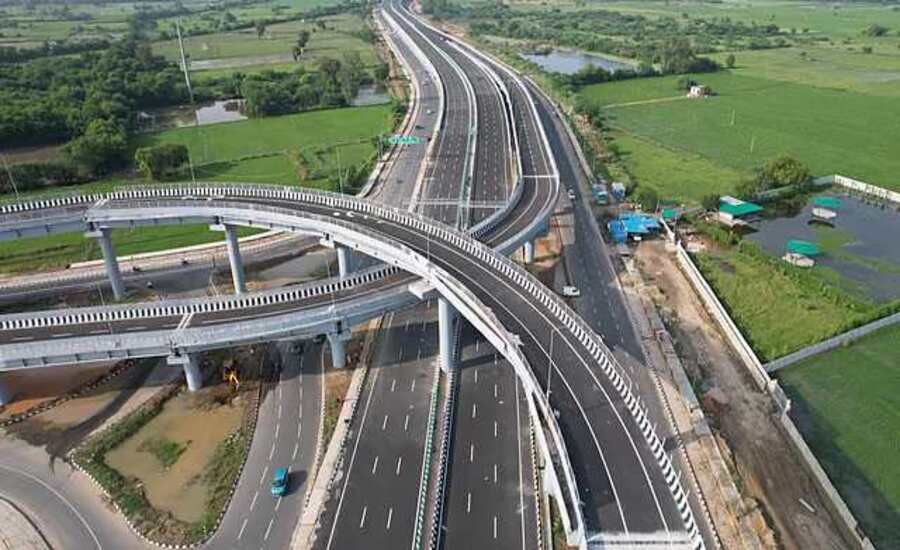
New Delhi: The Delhi government is planning to develop two new elevated corridors in North and Northeast Delhi to tackle severe traffic congestion and improve connectivity across some of the city’s busiest routes.
The proposed elevated corridors will run from Britannia Chowk to the Outer Ring Road and from Ankur Enclave to Gokulpuri Metro Station. The projects are expected to function as bypass arterial corridors and help reduce traffic pressure on major congestion hotspots, including the Outer Ring Road, Peeragarhi, Rohtak Road and Wazirabad Road.
Two Elevated Corridors Planned in Delhi
According to the proposal, the two elevated corridors will each be approximately 5 kilometres long.
The proposed routes are:
- Britannia Chowk to Outer Ring Road corridor in North Delhi.
- Ankur Enclave to Gokulpuri Metro Station corridor in Northeast Delhi.
The corridors are expected to provide alternative routes for traffic and reduce the burden on existing arterial roads that frequently experience heavy congestion, particularly during peak hours.
PWD Invites Bids to Prepare Detailed Project Reports
The Public Works Department (PWD), Delhi, has reportedly invited bids for preparing Detailed Project Reports (DPRs) for both elevated corridor projects.
According to the information available, the DPR preparation work is estimated to cost around ₹3.21 crore, with approximately five months expected for completion.
The DPRs will help determine the detailed design, construction requirements, feasibility and implementation plan for the proposed corridors.
North Delhi Corridor to Pass Through Shakur Basti Area
The proposed North Delhi elevated corridor will reportedly pass through areas around Shakur Basti Railway Station and Guru Harkrishan Road.
PWD officials believe the proposed flyover along Guru Harkrishan Marg could help reduce traffic pressure on the existing road network by providing an additional parallel route.
The corridor is also expected to offer an alternative connection between key stretches around Britannia Chowk and the wider Outer Ring Road network.
Rohtak Road and Peeragarhi Among Major Congestion Points
Traffic congestion on Rohtak Road has become a major concern, especially during peak hours.
According to officials, traffic movement beyond Peeragarhi Chowk towards the Mundka Industrial Area and Bahadurgarh can become extremely difficult during busy periods.
The road is connected to the Outer Ring Road near Britannia Chowk on one side and the Mangolpuri Flyover on the other.
The proposed elevated corridor is expected to provide an additional route for vehicles and help ease pressure on these heavily congested stretches.
Second Elevated Corridor to Improve Northeast Delhi Connectivity
The second proposed corridor will be constructed over the Karawal Nagar drain, connecting the Ankur Enclave area towards Gokulpuri Metro Station.
The elevated route is expected to improve connectivity for residents of several Northeast Delhi neighbourhoods, including:
- Karawal Nagar
- Shiv Vihar
- Johripur
- Dayalpur
The corridor could provide an alternative traffic route and help reduce congestion on existing roads in the area.
Karawal Nagar Residents Face Congestion on Key Arterial Routes
Residents have highlighted severe congestion on some of the major arterial routes in the Karawal Nagar region.
According to local resident Harish Bisht, two important routes—Bhajanpura to Dayalpur and Khajuri to Pavi Cinema in Karawal Nagar via Pushta Road—frequently experience heavy traffic.
These routes are important for daily commuting in Northeast Delhi but often face congestion and traffic management challenges.
The proposed elevated corridor over the Karawal Nagar drain could provide an alternative route and improve traffic flow for commuters travelling between these neighbourhoods.
Traffic Enforcement Also Needed to Control Congestion
While the proposed elevated corridors could improve road capacity and connectivity, residents have also emphasised the need for stronger traffic enforcement.
According to local feedback, traffic rule violations are a significant issue on some of the busy routes in Northeast Delhi.
Increasing police presence and strengthening traffic management during peak hours could help control violations and improve road discipline in the short term.
The proposed infrastructure projects, combined with better traffic enforcement, are expected to provide a more comprehensive approach to tackling Delhi’s persistent congestion problem.
Elevated Corridors Aim to Reduce Delhi’s Traffic Pressure
Delhi regularly faces severe traffic congestion, with commuters often spending significant amounts of time travelling short distances. The proposed elevated corridors are aimed at creating alternative arterial routes and reducing pressure on some of the city’s major traffic bottlenecks.
If implemented as planned, the two 5-km elevated corridors could improve connectivity in North and Northeast Delhi while providing additional routes for traffic moving through some of the most congested areas.
The upcoming DPR studies will be an important step in determining the feasibility and detailed execution plan for the projects.