New Delhi: The Delhi government has initiated preparations to develop a 52-km riverfront along the Yamuna on the lines of Ahmedabad’s Sabarmati Riverfront, with Water Minister Parvesh Verma saying the first phase is targeted for completion during the government’s current term.
The proposed project aims to transform sections of the riverbank into accessible public spaces featuring walking paths, cycling tracks, sports grounds and recreational facilities. The government is also moving towards an agreement with the Sabarmati Riverfront Development Corporation Limited (SRFDCL) to draw on its experience in riverfront development.
The project will cover the Yamuna stretch from Palla in north Delhi to Kalindi Kunj near the Okhla barrage. It is planned in two phases, with the Wazirabad barrage dividing the proposed development into northern and southern sections.
Yamuna Riverfront to Be Developed in Two Phases
The Delhi government plans to begin with the northern stretch and use it as a model for the subsequent development.
The two proposed phases are:
- Phase 1: Palla to Wazirabad — The northern stretch will be taken up first, with development intended to guide the wider project.
- Phase 2: Wazirabad to Kalindi Kunj — The second stretch will extend towards the Okhla barrage, covering a heavily urbanised section of the river.
The overall proposal covers approximately 52 km of the Yamuna in Delhi. However, the government has not announced a detailed construction schedule or a completion date for the entire riverfront.
Delhi Moves to Engage Sabarmati Riverfront Corporation
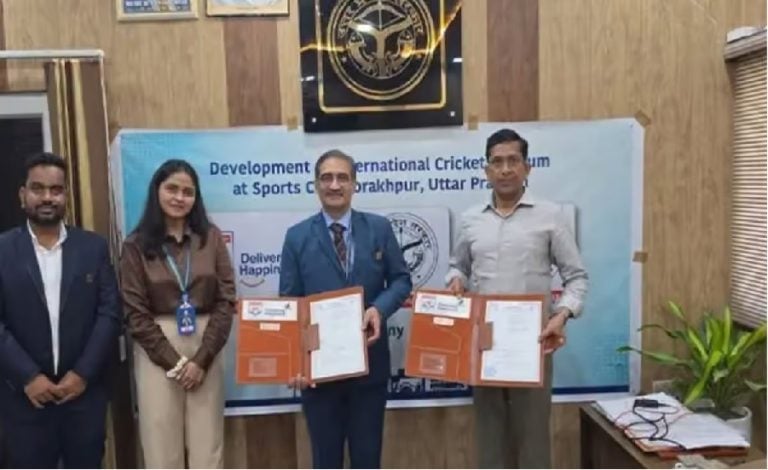
The government has initiated the process of preparing a memorandum of understanding (MoU) with the Sabarmati Riverfront Development Corporation Limited.
The proposed arrangement is intended to provide technical guidance based on the experience of developing Ahmedabad’s riverfront. The Delhi government is also hiring consultants to help take the Yamuna project forward.
Verma has indicated that the corporation’s experience could help Delhi navigate implementation challenges, including infrastructure development and the approvals required for a project of this scale.
The agreement remains at the proposal stage, and further details about the consultant selection, project design and implementation arrangements are awaited.
Walking Tracks, Cycling Routes and Recreational Spaces Planned
The proposed riverfront is intended to create public spaces along the Yamuna that residents can use for everyday recreation and outdoor activities.
The facilities under consideration include:
- Dedicated walking and cycling tracks.
- Sports grounds and recreational areas.
- Spaces for yoga and morning walks.
- Improved public access to the riverbanks.
- Green and open spaces for residents.
The project would seek to make sections of the riverbank more accessible for public use, rather than leaving them largely disconnected from surrounding urban areas.
The final mix of facilities, their locations and the extent of development will depend on the detailed plans prepared by the government and its consultants.
Yamuna Cleaning Remains a Major Challenge
While the riverfront proposal focuses on public spaces and infrastructure, improving the Yamuna’s water quality remains a separate and significant challenge.
The stretch between Wazirabad and the Okhla barrage has been identified in reporting as a particularly polluted section of the river. Developing accessible riverbanks alone will not resolve the problems associated with sewage discharge and water pollution.
The riverfront plan is therefore linked to the wider challenge of rejuvenating the Yamuna, which requires improvements in sewage treatment, pollution control and river-water quality alongside physical development.
The government has not yet provided a complete project-level account of how riverfront construction will be coordinated with pollution-control measures across the proposed stretch.
Sabarmati Project Offers a Reference for Delhi
Ahmedabad’s Sabarmati Riverfront provides the model that Delhi intends to study while preparing its own project.
The Sabarmati Riverfront Development Corporation was established by the Ahmedabad Municipal Corporation in 1997 to develop the riverfront and improve the surrounding urban environment. Its work has included creating public spaces and improving access to the river.
Delhi’s proposed project would adapt that experience to the Yamuna and the capital’s urban conditions. The scale, design and implementation requirements may differ, particularly because the Yamuna project must also address water pollution and the challenges of developing a long river stretch within a densely populated city.
The proposed agreement with the Sabarmati corporation is intended to help Delhi draw on relevant experience while developing its own approach.
First Phase Targeted During Current Government’s Tenure
Verma has said the government is aiming to complete the first phase during its current term. This is the stated target for the Palla–Wazirabad stretch, rather than a confirmed deadline for completion of the entire 52-km project.
The immediate steps include engaging consultants, progressing the proposed MoU and preparing the plans needed to take the project forward.
The next major developments will be the finalisation of the technical and implementation framework, disclosure of project details and clarification of the construction schedule.
If implemented as planned, the riverfront could create new public spaces along parts of the Yamuna. Its wider impact will depend on how the infrastructure is developed and how effectively the riverfront project is coordinated with the continuing task of improving the river’s water quality.
Read Also: Delhi’s ₹924 Crore Yamuna Clean-Up Push: Two New Sewage Plants Get Approval