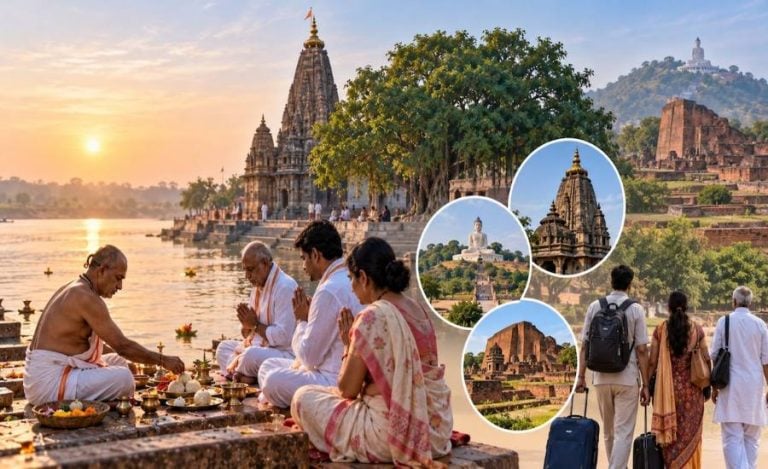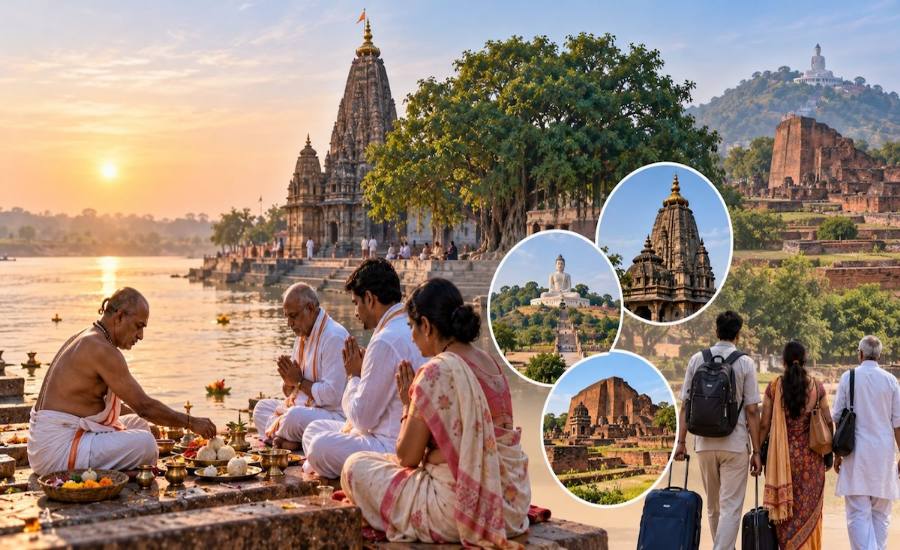
Patna: Gaya in Bihar witnessed a record turnout of more than 51.3 lakh devotees during this year’s Pitru Paksha Mela, as pilgrims from across India and abroad arrived to perform pind daan and tarpan for their ancestors. The turnout exceeded last year’s figure by around 16 lakh, highlighting Gaya’s growing importance as a major centre of religious tourism.
The administration combined traditional religious practices with improved healthcare, security, accommodation, cleanliness and technology to manage the large gathering. Facilities such as a tent city, help centres and AI-based language translation helped make the pilgrimage more accessible to devotees.
Madhya Pradesh Chief Minister Mohan Yadav also visited Gaya on Saturday and performed pind daan and tarpan on the banks of the Niranjana River.
Gaya Breaks Four Years of Religious Tourism Records
Gaya holds deep religious significance for Hindus, who visit the city during Pitru Paksha to offer prayers for the peace and salvation of their ancestors.
The number of visitors to Gaya has risen steadily over the past four years. According to the figures provided by the administration, the city recorded:
- 2022: 9.40 lakh visitors
- 2023: 29.89 lakh visitors
- 2024: 30.59 lakh visitors
- 2025: 34.79 lakh visitors
- 2026 Pitru Paksha Mela: More than 51.30 lakh devotees
The latest turnout surpassed the previous figures, with around 16 lakh more devotees visiting than last year. The increase reflects the continuing appeal of the Pitru Paksha tradition and the growing scale of religious tourism in Gaya.
Devotees also arrived from countries including Russia, France, Germany, Italy, Brazil and Ukraine. Visitors reportedly appreciated arrangements for transport, cleanliness, religious-site management and other facilities.
Read also: REC Limited Wins Data Center Champion Award 2026 for Contribution to India’s Digital Infrastructure
Healthcare and Help Centres Support Lakhs of Pilgrims
Managing a gathering of this scale required extensive medical and assistance services. According to the information released about the event, healthcare facilities benefited around 1.5 lakh people, while the broader report cited approximately two lakh beneficiaries of health services.
A dedicated lost-and-found centre helped more than 1,300 people who had become separated from family members or needed assistance. A control room received around 2,625 complaints related to the mela, with officials taking action to address them.
These services were particularly important for elderly pilgrims, families travelling with children and visitors unfamiliar with the city. Medical support and accessible help centres helped address problems arising during the crowded pilgrimage period.
Tent City Provides Shelter to Over 18,000 Devotees
Accommodation was another major part of the arrangements. The tent city developed for pilgrims provided shelter to more than 18,000 people, offering a temporary stay for devotees travelling from distant locations.
To improve the safety of children and elderly visitors, authorities distributed more than 15,000 wristbands. These bands helped identify people who became separated from their families and supported efforts to reunite them with their relatives.
Such arrangements can be particularly useful during large religious gatherings, where crowded roads and ritual sites increase the risk of people losing contact with their companions.
AI Translation Helps Foreign Devotees
This year’s mela also used artificial intelligence to address language barriers. The AI-based translation facility reportedly benefited around one lakh pilgrims, helping people who spoke different languages access information and communicate more easily.
The service was particularly relevant for international visitors who needed assistance navigating religious sites and understanding local arrangements.
The use of translation technology alongside traditional pilgrimage services showed how digital tools can support religious tourism. Clear communication can improve visitors’ experiences and help authorities provide information to a diverse group of pilgrims.
‘One Tree in the Name of Ancestors’ Promotes Green Message
The administration also linked the religious gathering with environmental protection through the ‘Ek Ped Purvajon Ke Naam’ initiative, or ‘One Tree in the Name of Ancestors’.
Under the initiative, officials planted 1,101 saplings at Pitruvatika. The programme encouraged devotees to remember their ancestors through tree planting while promoting environmental responsibility.
The initiative connected the spiritual significance of Pitru Paksha with the need to protect nature. Such efforts can help make environmental awareness part of large public and religious events.
Gaya’s Growing Role in Religious Tourism
The record turnout highlights Gaya’s importance as a destination for religious tourism. However, the growing number of visitors also increases the need for reliable transport, sanitation, healthcare, accommodation and crowd management.
This year’s arrangements included temporary shelter, medical services, wristbands for vulnerable visitors, complaint handling and AI-powered translation. Together, these measures aimed to make the pilgrimage more manageable for millions of devotees.
As religious tourism expands, maintaining these services and improving them through regular feedback will remain important. Gaya’s experience shows how better public facilities and technology can support a major religious tradition while helping visitors travel with greater comfort and confidence.
Read also: A New Way to Give Back: Bihar to Expand “Danveer” Asset Donation Drive