New Delhi: India is aiming to develop domestic civilian aircraft manufacturing within two years, according to Union Civil Aviation Minister K. Rammohan Naidu. The proposed plan could help India build its own civilian aircraft through a joint venture and reduce its dependence on foreign aircraft manufacturers.
The announcement comes as India’s aviation industry grows, airlines place large aircraft orders, and the government works to strengthen local manufacturing. However, the aircraft model, manufacturing partners, and detailed production plans have not yet been publicly confirmed.
Details of India Domestic Civilian Aircraft Manufacturing Plan
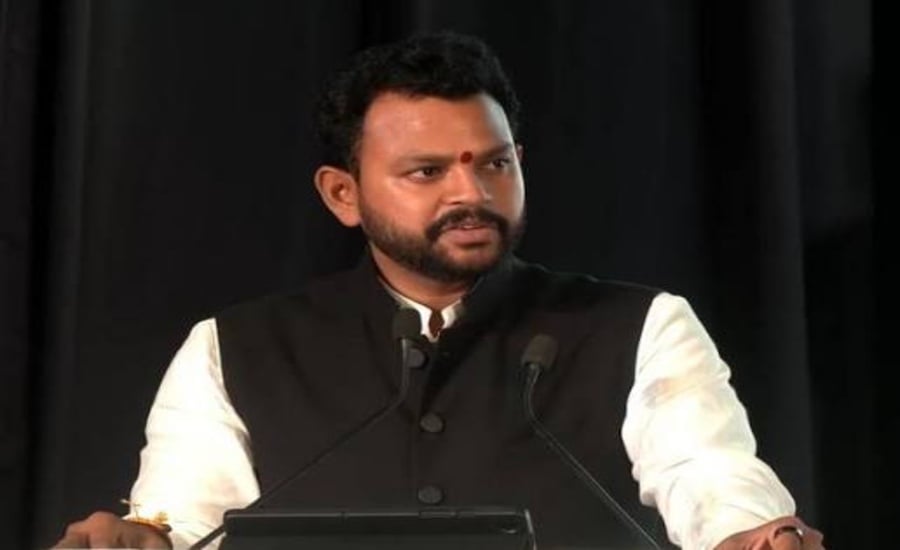
India could take an important step towards manufacturing civilian aircraft within the next two years. Civil Aviation Minister K. Rammohan Naidu shared this target while speaking at a symposium organised by the Indian Foundation for Quality Management (IFQM) in New Delhi.
Read also: India Eyes SAF Export Potential with 750 MT Biomass, Targets 5% Blending by 2030
According to the minister’s statement reported by Businessworld, the government is considering a joint venture to support this goal.
A joint venture is a business partnership in which two or more companies work together on a project, sharing resources, responsibilities, and investment. However, the government has not disclosed the companies involved, the aircraft model, or the proposed manufacturing location. The two-year timeline should therefore be understood as a government target rather than a confirmed aircraft delivery schedule.
Why India Wants To Manufacture Civilian Aircraft
India’s aviation industry has expanded rapidly in recent years. More people are travelling by air, airlines are expanding their fleets, and the country is developing airports to improve connectivity.
According to a January 2026 statement from the Prime Minister’s Office published by the Press Information Bureau (PIB), India has become the world’s third-largest domestic aviation market.
The government is also focusing on aircraft design, manufacturing, and maintenance to strengthen India’s position in the global aviation industry.
Manufacturing civilian aircraft in India could create opportunities for local companies, engineers, technicians, and suppliers. It could also help Indian companies gain more experience in advanced engineering and aircraft production.
India’s Growing Aircraft Demand And Airport Network
The minister highlighted the large number of aircraft ordered by Indian airlines and the expected expansion of the country’s airport network.
According to the Businessworld report, Indian airlines have more than 1,600 aircraft on order, with a combined estimated value of around $100 billion. Domestic airlines currently operate a fleet of approximately 850 aircraft, while India has around 165 airports. The report also states that more than 100 new airports are expected to be developed over the next decade.
Separately, the Prime Minister’s Office reported in January 2026 that India had more than 160 airports, compared with 70 in 2014. It also noted that Indian airlines had ordered more than 1,500 aircraft in recent years.
These figures highlight the growing demand for aviation services and the potential market for aircraft manufacturing. However, building an aircraft requires more than market demand. India will also need suitable technology, skilled workers, manufacturing facilities, safety testing, and regulatory approval.
Background of India Domestic Civilian Aircraft Manufacturing Plan
The government has already taken steps to support domestic aircraft component manufacturing.
On February 7, 2025, the Ministry of Civil Aviation announced that Minister K. Rammohan Naidu had chaired a high-level meeting to discuss ways to improve aircraft component production in India.
The meeting included government officials, industry representatives, manufacturers, maintenance companies, and research institutions.
The ministry said it wanted to develop a stronger aerospace ecosystem through better skills, technology, manufacturing facilities, certification, and cooperation between the government and industry. This existing work could support the country’s wider ambition to manufacture civilian aircraft domestically.
Aircraft Component Manufacturing Could Create More Business Opportunities
India already supplies aircraft components to international manufacturers, including Boeing and Airbus.
According to the Businessworld report, India supplies around $4 billion worth of aircraft components and related services to the global aviation industry. This figure is expected to reach approximately $10 billion by the end of the decade.
If achieved, this growth could create opportunities for Indian manufacturers, including micro, small, and medium enterprises (MSMEs). These businesses could supply metal parts, precision-engineered components, electrical systems, and other products required by aircraft manufacturers. However, becoming a supplier requires companies to meet strict quality, safety, and technical standards.
The Ministry of Civil Aviation has identified the expansion of domestic component production and greater international market access for Indian manufacturers as important goals.
India Is Also Exploring Domestic Aircraft Engine Manufacturing
The government is examining the possibility of manufacturing aircraft engines in India.
Aircraft engines are among the most complex parts of an aircraft. They must operate reliably under extreme temperatures, pressure, vibration, and demanding flight conditions.
Developing this capability requires advanced engineering, specialised materials, extensive testing, and highly trained professionals.
The Businessworld report states that the minister acknowledged that developing domestic aircraft engine manufacturing capabilities would take considerable time.
This means India’s aircraft manufacturing ambitions may progress in stages, beginning with existing component manufacturing capabilities and building towards more complex technologies. Domestic engine production remains a separate technical challenge and should not be confused with the two-year target for civilian aircraft manufacturing.
Read also: India Becomes Global Helicopter Hub: Airbus-Tata Project to Roll Out 1,000+ Aircraft
FAQs
Union Civil Aviation Minister K. Rammohan Naidu announced the target while speaking at a symposium organised by the Indian Foundation for Quality Management in New Delhi.
Civil Aviation Minister K. Rammohan Naidu has stated that India aims to have a domestically manufactured civilian aircraft within the next two years through a joint venture. The aircraft model and production details have not yet been publicly confirmed.
India wants to strengthen its aviation manufacturing industry, support local suppliers, develop advanced engineering skills, create employment opportunities, and reduce dependence on foreign aircraft manufacturers. Domestic production could also create opportunities for Indian companies in global aerospace supply chains.