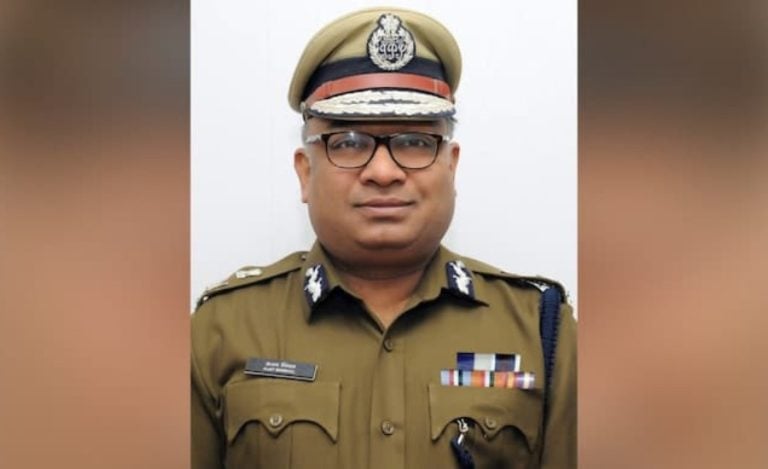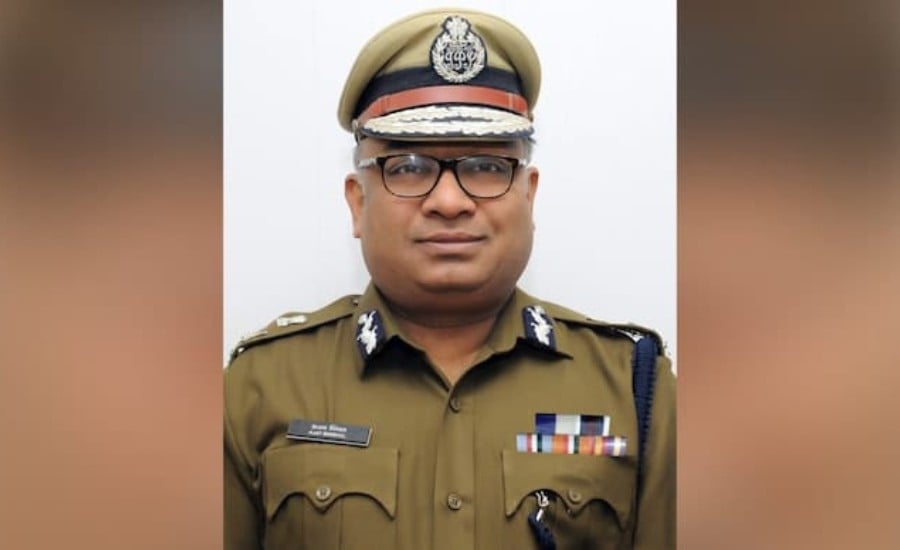
Chandigarh: Haryana recorded a 9.41% decline in overall crime during the first 10 months of 2026 compared with the corresponding period last year, prompting Director General of Police (DGP) Ajay Singhal, a 1992-batch IPS officer of the Haryana cadre, to call for more focused and data-driven policing across the state.
Chairing a crime review meeting at the Police Headquarters in Panchkula on Wednesday, November 4, Singhal directed district police chiefs and other senior officers to examine crime patterns at the individual police station level and prepare strategies based on local requirements.
He emphasised that an overall decline in crime should not lead to complacency, particularly when certain offences continue to increase in specific areas. Officers were asked to identify the reasons behind rising cases of serious offences, including murder and robbery, and take targeted preventive measures.
Police Stations to Analyse Local Crime Pattern
During the meeting, Inspector General of Police (Law and Order) Rakesh Arya presented an overview of changing crime patterns across police station jurisdictions.
Singhal said crime prevention strategies should be based on detailed local data rather than relying only on district- or state-level figures.
The DGP issued the following directions:
- Station-level assessment: Analyse crime trends in every police station area and identify locations witnessing increases in specific offences.
- Targeted patrolling: Increase police presence according to the nature, frequency and location of reported crimes.
- CCTV surveillance: Ensure that CCTV cameras installed at police stations are functional and that surveillance coverage is strengthened.
- Action plans: Prepare specific measures to address emerging crime patterns and vulnerable locations.
- Accountability: Fix responsibility where negligence is found in preventing or controlling crime.
The objective is to identify local causes behind crime trends and ensure that police deployment and preventive action are tailored to the requirements of each area.
Special Teams to Trace Missing Minors, Particularly Girls
The DGP also directed police units to give priority to cases involving missing children below the age of 18, particularly girls.
Special teams are to be constituted in police station areas to facilitate the early tracing and recovery of missing minors.
Singhal called for prompt and sensitive handling of such cases, stressing that officers should treat them as a priority rather than routine investigations.
Criminal Records and Night Surveillance to Be Strengthened
The review also covered the verification and digitisation of criminal records through the police department’s RJSF units.
The DGP directed officers to complete the verification process and strengthen the digital database used to monitor active offenders. Records of proclaimed offenders, bail jumpers and most-wanted criminals are also to be incorporated into the monitoring system.
Night patrolling and inter-district and interstate nakabandi were among the other areas discussed. Senior officers were asked to supervise checkpoints and ensure effective monitoring of suspicious movement.
The police were also directed to take action against vehicles operating without number plates or High Security Registration Plates (HSRPs).
Focus on Extortion Calls, ATM Tampering and Cyber Fraud
The meeting also addressed emerging forms of crime and the use of technology for prevention and response.
Among the measures discussed were:
- Extortion calls: Police units were asked to follow the prescribed standard operating procedure and analyse information received through the Abhedya app.
- ATM security: Alerts relating to tampering with or attempted removal of ATM machines are to be routed directly to the Dial 112 emergency response system.
- Financial fraud: Data relating to ATM card cloning and cyber fraud is to be examined to identify patterns and strengthen preventive action.
- Emergency response: Districts were asked to monitor Emergency Response Vehicles (ERVs) and use technical analysis to improve response times.
Singhal stressed that accurate information, regular monitoring and coordination among police units were essential for effective crime prevention.
Police Preparedness and Accountability Under Review
Apart from crime trends, the meeting reviewed police preparedness to handle protests and demonstrations by employees, social organisations and political groups.
District Superintendents of Police were asked to keep action plans ready in accordance with prescribed standard operating procedures and ensure that personnel remained adequately equipped to respond to different situations.
The DGP reiterated that officers would be held accountable for lapses in crime prevention and implementation of the directions issued during the review.
The meeting forms part of Haryana Police’s efforts to strengthen preventive policing through local crime analysis, improved surveillance, updated criminal records and technology-enabled emergency response.
Read Also: Haryana DGP Ajay Singhal Admits Lapses in Yuvraj Manchanda Case, Says Police SOP May Be Amended