New Delhi: India’s rare earth reserves are gaining global attention as the country works to secure critical minerals needed for clean energy, electric vehicles, electronics and defence technologies.
According to the Government of India, the country holds significant rare earth resources across several states, but production remains limited due to technological and industrial challenges.
To address this gap, the government has introduced multiple policies, including the National Critical Mineral Mission (NCMM), auctions of mineral blocks, and incentives for rare earth manufacturing. These steps aim to build a complete value chain — from exploration and mining to processing and advanced manufacturing — making India more self-reliant in critical minerals.
Details of India Rare Earth Reserves
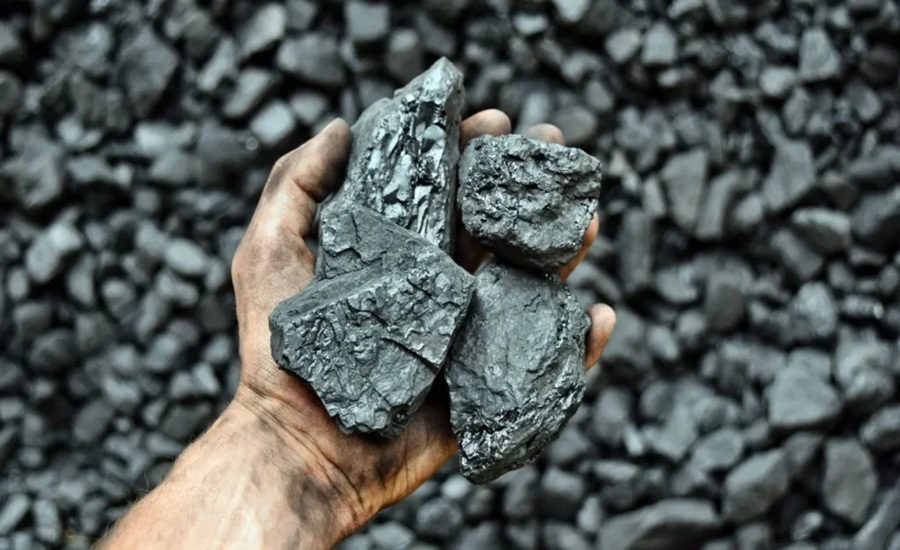
India possesses large deposits of rare earth minerals, mainly in monazite-rich beach sand deposits along coastal regions and some hard-rock areas.
According to the Atomic Minerals Directorate for Exploration and Research (AMD):
- Around 7.23 million tonnes of Rare Earth Oxides (REO) are present in 13.15 million tonnes of monazite resources.
- These deposits are found in coastal sands and inland areas of Kerala, Tamil Nadu, Odisha, Andhra Pradesh, Maharashtra, Gujarat, Jharkhand and West Bengal.
- About 1.29 million tonnes of in-situ REO have been identified in hard rock terrains in Gujarat and Rajasthan.
- In addition, 2,000 tonnes of heavy mineral concentrates containing xenotime have been found in riverine placer deposits of Chhattisgarh and Jharkhand.
These minerals contain elements like yttrium, neodymium, and lanthanum, which are essential for modern technologies.
Why Rare Earth Elements Are Important
Rare earth elements (REEs) are critical materials used in several strategic industries.
Key applications include:
- Electric vehicles and battery technologies
- Wind turbines and renewable energy systems
- Defence equipment and missiles
- Electronics and semiconductors
- Advanced magnets and robotics
Because of their importance in emerging technologies, countries worldwide are racing to secure reliable supply chains for these minerals.
Challenges in India’s Rare Earth Sector
Despite having resources, India faces several challenges in fully utilising its rare earth reserves.
1. Low-grade deposits
Many Indian rare earth deposits are relatively lean in grade, meaning extracting them is technically difficult and expensive.
2. Radioactive association
The mineral monazite contains thorium and uranium. Because of this, its mining and processing are strictly controlled by the government.
3. Limited downstream industries
India has facilities for mining and refining rare earth minerals, but midstream and downstream industries such as magnet manufacturing are still developing.
4. Lack of heavy rare earth elements
Most Indian deposits contain light rare earth elements, while heavy rare earth elements are scarce in extractable quantities.
These factors have kept domestic production at a limited level.
Government Strategy to Boost India Rare Earth Reserves
To overcome these challenges, the government has launched several policy measures in the last five years.
1. National Critical Mineral Mission (NCMM)
Approved by the Union Cabinet in January 2025, the NCMM aims to ensure long-term supply of critical minerals, including rare earth elements.
The mission focuses on:
- Exploration of mineral deposits
- Mining and beneficiation
- Processing and recovery from waste materials
- Strengthening the entire mineral value chain
2. Auction of Critical Mineral Blocks
The Ministry of Mines has:
- Auctioned 46 critical mineral blocks, including 7 blocks containing rare earth elements.
- Auctioned 7 exploration licences, including two REE blocks, to boost private sector participation.
This step is expected to accelerate mineral exploration and commercial mining.
3. Recovery of Minerals from Waste
The government has issued guidelines to recover critical minerals from:
- Overburden
- Mine tailings
- Fly ash
- Red mud
Pilot projects under the Non-Ferrous Technology Development Centre (NFTDC) have already been approved for rare earth separation from multiple feedstocks.
4. Incentive Scheme for Recycling
A ₹1,500 crore incentive scheme has been approved to promote recycling of critical minerals, including rare earth elements.
This initiative encourages recovery of valuable minerals from industrial waste and used products.
5. Policy for Critical Minerals in Mining Projects
The Ministry of Mines has introduced a policy to enable recovery of critical minerals from:
- New mining projects
- Dumps and tailings of existing mines
This policy helps ensure that valuable minerals are not wasted during mining operations.
6. Overseas Mineral Acquisition
India has created Khanij Bidesh India Limited (KABIL), a joint venture company that acquires mineral assets abroad.
KABIL focuses on securing global resources such as:
- Lithium
- Cobalt
- Rare earth elements
This strategy reduces supply risks and strengthens India’s mineral security.
7. Customs Duty Reforms
To support the critical mineral sector:
- Customs duty on 25 minerals has been removed.
- Basic Customs Duty has been reduced on several minerals.
- Imports of lithium battery scrap, cobalt powder, and other critical minerals have been exempted from duty.
These measures lower costs for domestic manufacturing.
8. Rare Earth Magnet Manufacturing Scheme
The government has also approved a scheme to promote manufacturing of Sintered Rare Earth Permanent Magnets (REPM) in India.
Key features of the scheme include:
- Target capacity of 6,000 metric tonnes per year
- Financial support of ₹7,280 crore
- Production-linked incentives and capital subsidies
The goal is to reduce import dependence and make India a global player in the rare earth magnet industry.
The Road Ahead
India’s rare earth strategy focuses on building a complete domestic ecosystem for critical minerals.
The long-term plan includes:
- Expanding exploration projects
- Encouraging private investment in mining
- Building processing and refining facilities
- Developing advanced manufacturing industries
With global demand for rare earth elements increasing rapidly, these initiatives could help India strengthen its role in future clean energy and technology supply chains.