New Delhi: The Central Government has outlined a series of policy reforms and financial initiatives aimed at accelerating India’s space technology ecosystem by encouraging private investment, strengthening manufacturing and supporting startups. The measures are designed to build a globally competitive space industry while expanding opportunities for innovation and commercialisation.
The details were shared by Union Minister of State (Independent Charge) for Science & Technology, Earth Sciences, and Minister of State for Space Dr Jitendra Singh in a written reply in the Rajya Sabha on Thursday.
₹1,500 Crore Funding to Boost Space Innovation
A major highlight is the creation of two dedicated funding mechanisms:
- ₹1,000 crore Venture Capital Fund to support space startups.
- ₹500 crore Technology Adoption Fund (TAF) to help develop, demonstrate and commercialise indigenous space technologies.
These initiatives are expected to strengthen India’s growing private space ecosystem and encourage innovation-led entrepreneurship.
Read Also: Gaganyaan’s First Uncrewed Mission Set for Q4 2026; Bharatiya Antariksh Station on Track for 2035
Private Sector Gets Greater Access to ISRO
The government has introduced several reforms to enable Non-Government Entities (NGEs) to participate more actively in the space sector.
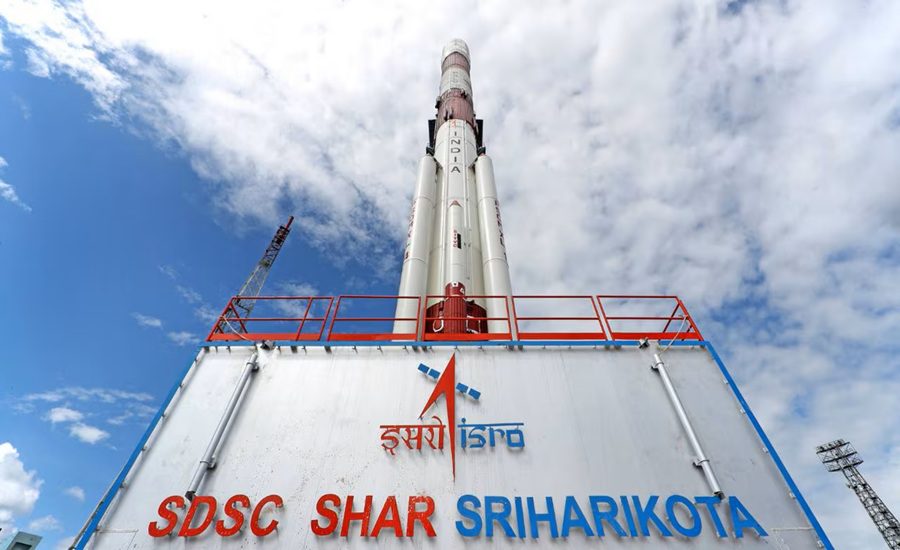
These include discounted access to ISRO facilities, technology transfer for commercial use, technical mentorship and opportunities to test new technologies using the PSLV Orbital Experimental Module (POEM) platform.
A new Satellite Bus as a Service (SBaaS) initiative has also been launched to help Indian companies develop indigenous satellite platforms and reduce satellite development time.
Manufacturing and Skill Development in Focus
To expand domestic manufacturing capacity, the Centre is encouraging state governments to establish dedicated space manufacturing clusters and common testing facilities.
A Technical Centre is also being set up to provide affordable testing, validation and simulation infrastructure for space systems.
Recognising the need for skilled professionals, the government is rolling out skill development programmes aligned with the evolving needs of the space industry.
Policy Reforms to Attract Investment
The government has liberalised the Foreign Direct Investment (FDI) policy for the space sector to attract greater domestic and international investment.
According to the government, these reforms are aimed at creating an enabling environment for private companies while supporting technology development and long-term industrial growth.
Awareness and Industry Outreach
The Indian National Space Promotion and Authorization Center (IN-SPACe) is conducting awareness programmes through industry meetings, workshops, webinars, conferences and exhibitions. These initiatives connect startups, MSMEs, academia and industry with information on funding opportunities, regulatory reforms, technology adoption and capacity-building programmes.
The government clarified that all IN-SPACe initiatives are implemented on a PAN-India basis and that state-wise or gender-wise beneficiary data is not maintained.
A Growing Space Economy
With financial support, policy reforms, stronger industry participation and greater access to ISRO infrastructure, the government aims to build a robust and globally competitive space ecosystem. The initiatives are expected to encourage innovation, strengthen indigenous manufacturing, generate high-skilled employment and position India as a leading global space technology hub.
Read Also: How Close Is India to Sending Astronauts to Space? ISRO Shares Big Gaganyaan Mission Update