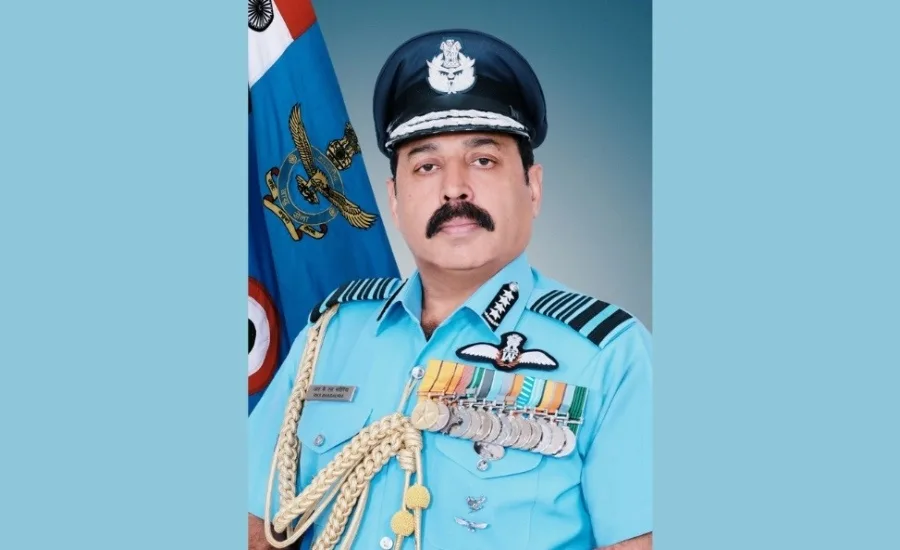
New Delhi: The India Stage-III jet trainer programme has gained fresh attention after former Indian Air Force (IAF) Chief Air Chief Marshal RKS Bhadauria (Retd.) urged the country to develop its own advanced jet trainer instead of importing a replacement for the ageing Hawk Mk-132 fleet. He said India’s aerospace industry has matured significantly through projects like the Tejas fighter aircraft and is now capable of designing and manufacturing a next-generation trainer aircraft domestically.
India Stage-III Jet Trainer Programme: Former IAF Chief Backs Indigenous Solution
Air Chief Marshal RKS Bhadauria (Retd.) has strongly supported an indigenous approach for replacing the IAF’s Hawk Mk-132 advanced jet trainers. According to him, India no longer needs to depend on foreign suppliers for this critical capability.
Read also: Tejas Mk2 vs Tejas Mk1A: Price, Engine, Payload and Key Differences Explained
He believes the experience gained from the Tejas Light Combat Aircraft programme has created a strong foundation for developing an advanced trainer aircraft within the country.
India Stage-III Jet Trainer Programme: IAF Looking to Acquire Around 150 New Trainers
The comments come as the Indian Air Force has initiated a procurement process for approximately 150 Stage-III fighter trainer aircraft. These trainers are used in the final phase of pilot training before pilots transition to frontline combat aircraft such as the Su-30MKI, Rafale, Tejas and the upcoming Advanced Medium Combat Aircraft (AMCA).
The IAF has already issued a Request for Information (RFI), inviting responses from both domestic and international manufacturers.
Why Stage-III Trainers Are Important
Stage-III trainers play a crucial role in preparing fighter pilots for modern aerial combat. These aircraft help pilots gain experience with advanced avionics, weapon systems, radar operations and combat manoeuvres before flying frontline fighter jets.
A capable trainer fleet ensures that pilots are ready for complex operational missions from the very beginning of their combat careers.
Tejas Experience Strengthens India’s Case
Bhadauria argued that India’s successful development of the Tejas fighter aircraft demonstrates the country’s growing aerospace capabilities. He said that after mastering the design, testing and production of a modern fighter jet, India has the technical expertise required to build an advanced trainer aircraft as well.
Developing the trainer domestically could also reduce dependence on imports and strengthen the country’s defence industrial base.
HAL’s HLFT-42 Emerges as a Strong Candidate
One of the leading indigenous options is Hindustan Aeronautics Limited’s (HAL) Hindustan Lead-in Fighter Trainer (HLFT-42). The aircraft was unveiled as a full-scale model during Aero India 2023 and is designed as a supersonic trainer with modern avionics, fly-by-wire flight controls and an Active Electronically Scanned Array (AESA) radar. Experts believe the HLFT-42 could meet many of the IAF’s future Stage-III training requirements while also offering combat capability if required.
India Stage-III Jet Trainer Programme: Strategic Benefits of an Indian-Made Trainer
An indigenous trainer aircraft would provide several long-term advantages. It could be tailored specifically to the operational requirements of the Indian Air Force and integrated more closely with Indian fighter aircraft.
Common systems, software architecture and training procedures could improve operational efficiency while reducing maintenance and lifecycle costs.
A domestic programme would also create jobs, support local suppliers and strengthen India’s aerospace ecosystem.
Read also: How HAL Is Quietly Building the Future of India’s Air Power Through Tejas Mk2 Fighter Jet
FAQs
The aircraft will train fighter pilots in advanced flying, combat systems, and weapon operations before they move to frontline jets like the Rafale, Tejas, and Su-30MKI.
HAL’s HLFT-42 is considered a strong indigenous candidate for replacing the ageing Hawk fleet due to its modern avionics, fly-by-wire controls, and advanced training capabilities.
The former IAF Chief believes India has gained enough experience from the Tejas fighter programme to develop an indigenous Stage-III jet trainer and reduce dependence on foreign suppliers.