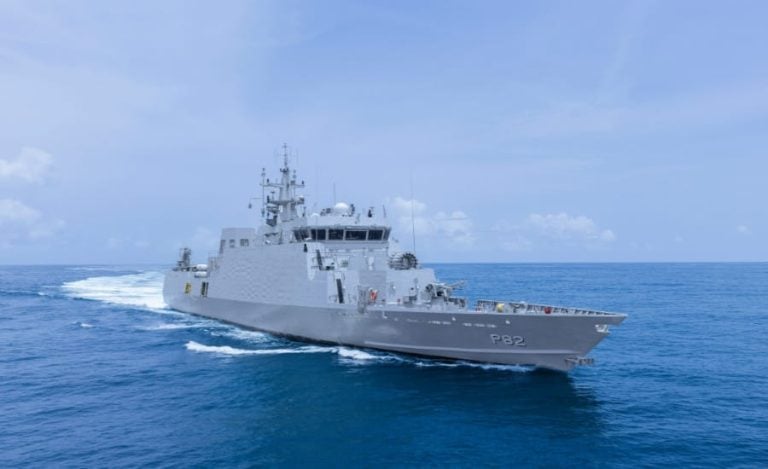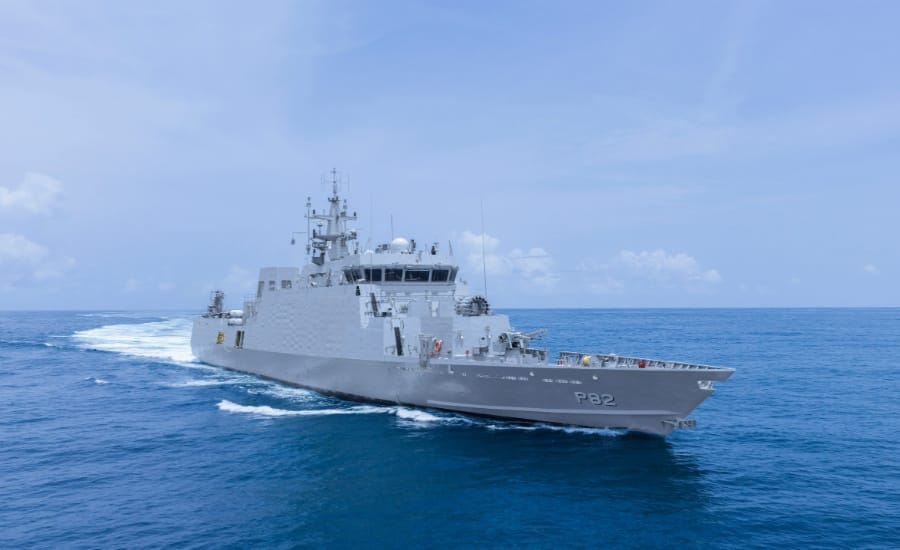
New Delhi: The Indian Navy is set to commission Mangrol, its third Anti-Submarine Warfare Shallow Water Craft (ASW-SWC), on October 12, 2026, at the Naval Dockyard in Mumbai. Built by Cochin Shipyard Limited (CSL), Kochi, the vessel will strengthen India’s ability to detect and counter submarine threats in coastal and shallow waters.
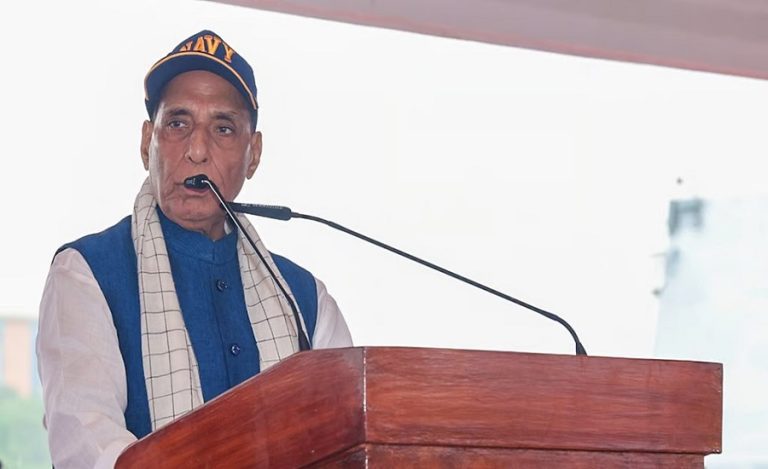
Vice Admiral Sanjay Vatsayan, Flag Officer Commanding-in-Chief of the Western Naval Command, will preside over the commissioning ceremony. Senior naval and defence officials, representatives from the Ministry of Defence and CSL, veterans, and representatives of Indian weapons and sensor manufacturers are expected to attend.
With more than 80% indigenous content, Mangrol also highlights India’s growing capabilities in warship design, construction and the integration of advanced weapons and sensors. The vessel has been developed under the government’s Make in India and Aatmanirbhar Bharat initiatives.
How Mangrol Will Strengthen Coastal Security
Mangrol has been designed to detect and counter underwater threats in coastal areas and shallow waters. These waters present specific operational challenges, where larger warships may face limitations in manoeuvrability and deployment.
The vessel will help the Navy monitor underwater activity and respond to potential submarine threats near ports, harbours and coastal approaches. Its role will be particularly important in areas where maintaining maritime awareness is essential for protecting India’s coastline and naval infrastructure.
Mangrol can also operate alongside maritime patrol aircraft, helicopters and other warships. This coordination can help the Navy improve its ability to detect underwater threats and support wider fleet operations.
Read also: Shangri-La Dialogue 2026: India Expands Strategic Defence Partnerships With New Zealand, Singapore
Advanced Sonar, Torpedoes and Indigenous Systems
The warship carries a range of weapons and sensors designed for anti-submarine warfare. Its equipment includes:
- Abhay Hull-Mounted Sonar: Helps detect and track underwater threats.
- Lightweight torpedoes: Provide an option for engaging submarine targets.
- Indigenous anti-submarine rocket launcher: Adds another capability to counter underwater threats.
- Maareech Advanced Torpedo Decoy System: Helps protect the vessel against incoming torpedoes.
Together, these systems will support the ship’s surveillance and anti-submarine warfare roles. The combination of detection equipment, weapons and defensive systems is intended to help the Navy respond to underwater threats in complex coastal environments.
Waterjet Propulsion for Shallow-Water Operations
Mangrol is powered by three diesel engines and uses waterjet propulsion. This arrangement gives the vessel high manoeuvrability, an important feature when operating in shallow waters and near coastal infrastructure.
Its design supports underwater surveillance, Low-Intensity Maritime Operations and mine warfare-related tasks. These capabilities allow the vessel to contribute to a range of maritime security requirements beyond its primary anti-submarine warfare role.
By operating in coastal waters, Mangrol can complement larger naval platforms that focus on broader maritime operations. Its specialised design gives the Navy an additional option for missions closer to shore.
More Than 80% Indigenous Content Supports Aatmanirbhar Bharat
One of Mangrol’s key features is its indigenous content, which exceeds 80%. The ship was constructed by Cochin Shipyard Limited in Kochi under the government’s Make in India and Aatmanirbhar Bharat initiatives.
Domestic construction and the integration of Indian-developed systems can strengthen the country’s defence manufacturing base. They also create opportunities for Indian shipbuilders, equipment suppliers, sensor developers and other companies involved in naval production.
Indigenous manufacturing can help build technical expertise, support domestic supply chains and reduce dependence on overseas sources for selected defence equipment. The integration of weapons and sensors also demonstrates the importance of coordination among shipbuilders and specialised technology manufacturers.
The commissioning of Mangrol therefore represents both an operational addition to the Navy and a milestone in India’s efforts to develop defence platforms at home.
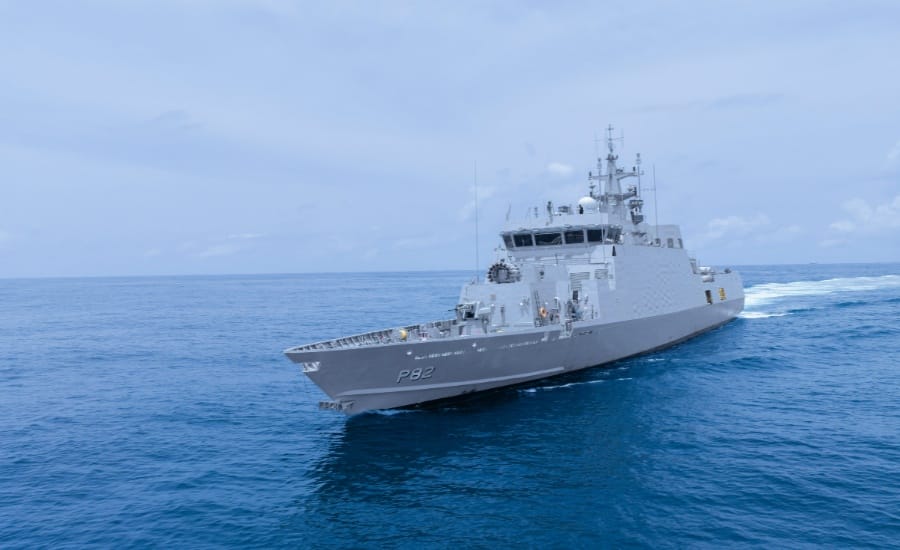
The Legacy Behind the Name Mangrol
The vessel takes its name from Mangrol, a coastal town and prominent fishing harbour in Gujarat’s Junagadh district.
It also carries forward the legacy of the earlier INS Mangrol (M85), a minesweeper that served the Indian Navy until April 7, 2004. Naming the new vessel after its predecessor continues the Navy’s tradition of preserving the history and identity of former warships.
The name also connects the vessel with India’s coastal heritage, reflecting the long-standing relationship between maritime communities and the country’s naval traditions.
A New Addition to India’s Maritime Security Capabilities
The commissioning of Mangrol comes amid growing attention to underwater threats and the need to protect important coastal areas. Submarines and other underwater platforms can pose complex challenges because their detection requires specialised sensors, trained personnel and coordinated naval operations.
Mangrol’s shallow-water design, sonar equipment, weapons and propulsion system will strengthen the Navy’s options for coastal anti-submarine warfare. Its ability to work with aircraft and other warships will further support coordinated maritime operations.
The vessel’s induction also highlights the contribution of domestic shipbuilding to India’s defence preparedness. As the Navy continues to strengthen its capabilities, platforms such as Mangrol can help combine operational requirements with the government’s wider push for indigenous defence technology and manufacturing.