New Delhi: Defence Minister Rajnath Singh has called on India’s defence industry to increase private sector participation, invest more in research and development (R&D), and strengthen manufacturing capacity as the country seeks greater self-reliance in defence technology.
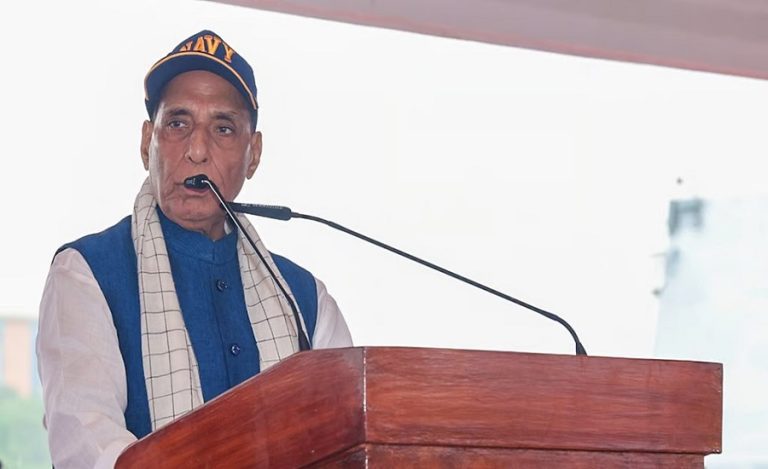
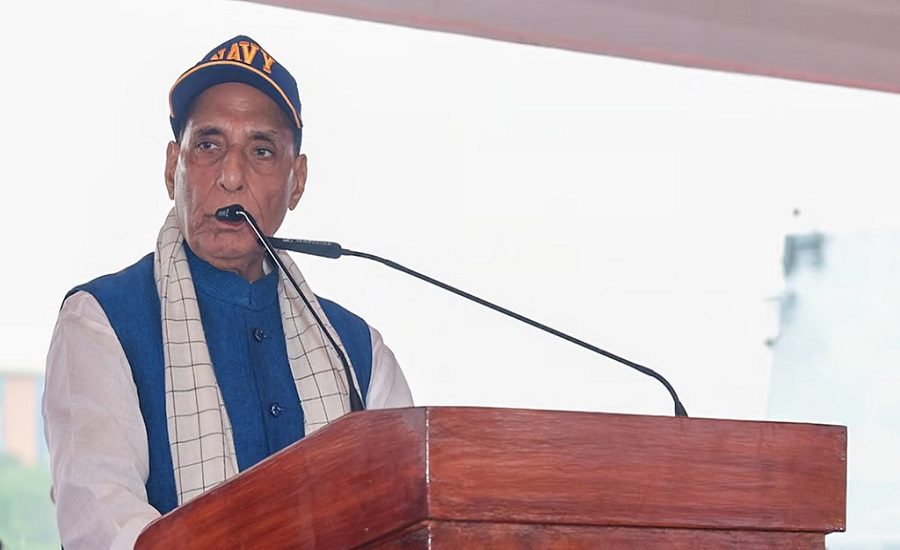
Speaking at the 8th Annual Session of the Society of Indian Defence Manufacturers (SIDM) in New Delhi on October 9, 2026, the minister presented the SIDM Champion Awards 2026 to recognise achievements in indigenous technology, product innovation, design, import substitution, manufacturing excellence and exports.
A total of 15 awards were presented at the event, which brought together government officials, defence industry leaders and representatives of Indian and international defence companies.
Singh said national security increasingly depends on India’s ability to design, develop, manufacture and control the technologies and equipment used by its armed forces. He expressed confidence that the country’s skilled workforce, industrial capabilities and policy support could help India become one of the world’s leading defence manufacturing nations.
Defence Exports Cross ₹38,000 Crore
India’s defence exports reached a record ₹38,424 crore in the financial year 2025–26, registering growth of more than 60% compared with the previous financial year, according to the minister.
The achievement reflects the growing role of Indian manufacturers in supplying defence equipment and related products to international markets.
Singh reiterated the government’s target of raising defence exports to ₹50,000 crore by 2029. Achieving this goal will require manufacturers to improve product quality, strengthen technological capabilities and expand their ability to meet domestic and international demand.
The minister described India’s shift from being a major importer of defence equipment to becoming an increasingly credible exporter of sophisticated military hardware as a significant development for the sector.
Read also: How DRDO Missile Technology Transfer Could Create India’s Next Defence Manufacturing Boom
Private Sector Participation to Expand
The defence minister stressed the need to increase the private sector’s contribution to India’s defence production.
He recalled his earlier call to raise the private sector’s share of total defence production from approximately 24% to 50%. He noted that private industry participation had increased significantly over the past 12 years and encouraged companies to establish clear milestones to achieve the target.
Greater private sector involvement can bring additional investment, competition and specialised expertise into defence manufacturing. It can also create opportunities for startups, engineering firms and micro, small and medium enterprises (MSMEs) to contribute to the development of equipment and technologies for the armed forces.
Singh assured industry representatives that the government would continue supporting the sector while maintaining standards relating to regulation, safety, quality and accountability.
R&D Investment Key to Defence Self-Reliance
The minister emphasised that research and development must become a greater priority for defence manufacturers.
Modern warfare increasingly relies on advanced technologies, including drones, missiles, air defence systems, software and communications equipment. Developing these capabilities domestically can help India reduce dependence on foreign suppliers and respond more effectively to changing security requirements.
Singh urged manufacturers to view R&D spending as a strategic investment rather than merely a business cost. Stronger research capabilities can support technological innovation, improve operational preparedness and make Indian products more competitive in international markets.
Investment in indigenous design and development can also help domestic companies build specialised expertise and develop products suited to the operational needs of India’s Defence Forces.
Operation Sindoor Highlights Need for Faster Production
Referring to Operation Sindoor, Singh highlighted the importance of ensuring that Indian manufacturing facilities can rapidly increase production when operational requirements demand it.
He urged defence companies to develop solutions that allow them to scale up manufacturing quickly and respond to changing needs.
The ability to expand production at short notice is particularly important during periods of heightened security requirements, when armed forces may need equipment and supplies in larger quantities within limited timeframes.
Strengthening production capacity can therefore support both routine defence procurement and emergency requirements. The minister called on industry leaders to make manufacturing systems more flexible and capable of responding to these demands.
Government Reforms Support Domestic Defence Industry
Singh acknowledged the role of the Society of Indian Defence Manufacturers in bringing together industry stakeholders and supporting dialogue between policymakers and manufacturers.
Established in 2017, SIDM represents large companies, MSMEs, startups, academia and foreign original equipment manufacturers.
The minister also highlighted government initiatives designed to strengthen domestic defence manufacturing and encourage innovation. These include:
- Defence Acquisition Procedure: A framework governing defence procurement.
- Defence Procurement Manual: Guidelines supporting defence procurement processes.
- Positive Indigenisation Lists: Measures that identify defence items for domestic sourcing and manufacturing.
- SRIJAN portal: A platform supporting indigenisation opportunities in defence.
Innovations for Defence Excellence (iDEX): An initiative encouraging innovation and participation by startups and other technology developers.
These measures aim to expand domestic industrial capabilities, create opportunities for Indian companies and encourage the development of indigenous defence technologies.
SIDM Champion Awards Recognise Industry Achievements
The 15 SIDM Champion Awards recognised organisations for contributions across several areas of defence manufacturing, including indigenous technology development, product innovation, design capabilities, import substitution, manufacturing excellence and exports.
The awards highlighted the role of domestic companies in strengthening India’s defence industrial base and developing capabilities that support national security.
The event was attended by Defence Secretary Rajesh Kumar Singh, Director General (Acquisition) A. Anbarasu, SIDM Founder President Baba Kalyani, SIDM President Arun Ramchandani, senior government officials, representatives of the Defence Forces and industry leaders.
Building a Stronger Defence Manufacturing Ecosystem
The discussions at the SIDM annual session underscored the importance of combining government policy support with private investment, research and industrial expansion.
India’s record defence exports provide a strong base for future growth, but meeting the ₹50,000-crore export target will require sustained improvements in technology, manufacturing and product quality.
Greater participation from private companies, stronger R&D capabilities and the ability to scale up production could help India reduce import dependence while expanding its position in the global defence market. These efforts will also create opportunities for domestic manufacturers, technology startups and MSMEs to contribute to a more self-reliant defence ecosystem.
Read also: Why DRDO LM2500 Gas Turbine Technology Transfer Matters For India’s Naval Future