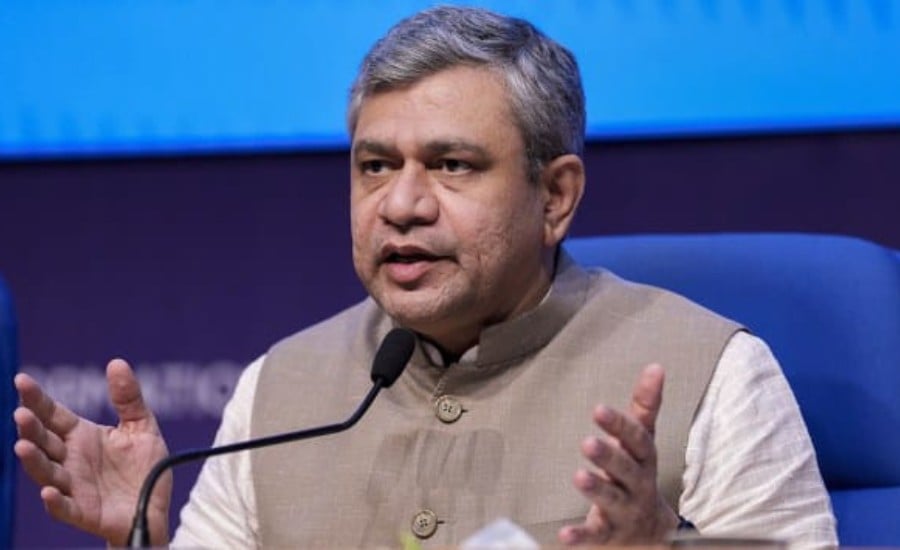
Vadodara: India’s first indigenously manufactured bullet train is expected to begin track testing by May or June 2027, Union Railway Minister Ashwini Vaishnaw said on Tuesday, marking a key step towards introducing high-speed rail services in the country.
Speaking at the ‘NaMo for Viksit Bharat’ event in Vadodara, Vaishnaw said the first body frame of the train had recently been completed and sent for a squeeze test.
“By May or June of next year, India’s own bullet train will be on the tracks for testing. After a testing period of 2-4 months, the bullet train will be inaugurated by the Prime Minister himself,” Vaishnaw said.
Testing to Begin on Mumbai-Ahmedabad Corridor
The indigenous train is being developed for the Mumbai-Ahmedabad High-Speed Rail (MAHSR) corridor, India’s first dedicated bullet train project.
The 508-km corridor will connect Mumbai and Ahmedabad through 12 stations and is designed for an operating speed of up to 320 kmph. The journey between the two cities is expected to take around two hours with limited stops.
Vaishnaw said the train would undergo two to four months of testing before its inauguration.
He also said passengers travelling between Vadodara and Mumbai could cover the distance in around 90 minutes once the service becomes operational.
Key Bullet Train Project Details
- Corridor: Mumbai-Ahmedabad High-Speed Rail
- Length: 508 km
- Planned stations: 12
- Track-testing target: May-June 2027
- Testing period: 2-4 months
- Designed speed: 350 kmph
- Operating speed: 320 kmph
- First operational stretch: Surat-Bilimora, according to current project plans.
Surat-Vapi Construction Targeted for December
The Railway Minister said construction of the Surat-Vapi section is expected to be completed by December 2026, while the Surat-Bilimora section is targeted for commissioning in 2027.
The first operational stretch of the corridor is expected to be opened in phases as construction and testing are completed.
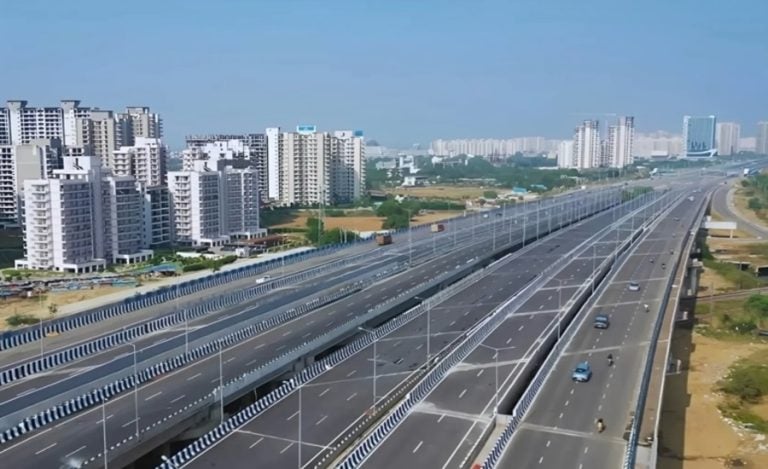
The project includes major engineering structures, including elevated viaducts, bridges and tunnels. Recent work has also included the completion of technically challenging mountain tunnels in Maharashtra.
Push for Indigenous High-Speed Rail Technology
Vaishnaw said the indigenous bullet train is being developed in line with the government’s Atmanirbhar Bharat vision, with a focus on strengthening domestic capabilities in high-speed rail technology.
The train’s body frame has entered the squeeze-testing stage, an important structural test before the prototype moves towards track trials. The development of an Indian-made train is aimed at reducing dependence on imported technology and building domestic expertise in advanced railway systems.
Railway Modernisation Beyond Bullet Trains
Vaishnaw also highlighted wider changes underway in Indian Railways, including modernisation of operating and reservation systems, construction practices and freight operations.
He cited several infrastructure developments, including:
- 280 railway stations redeveloped.
- 36,000 km of new railway tracks developed.
- Completion of major projects such as the Chenab Bridge.
- Progress in extending railway connectivity to Mizoram.
- Development of new wagon designs for specialised freight requirements.
“The modern face of Indian Railways that is emerging will benefit many future generations,” Vaishnaw said.
The Mumbai-Ahmedabad bullet train project, whose foundation stone was laid in 2017, has faced delays related to land acquisition and construction. The latest testing timeline represents a significant step towards phased introduction of India’s first high-speed passenger rail service.