New Delhi: ISRO Roadmap has entered an exciting new phase as India prepares to launch the first module of the Bharatiya Antariksh Station by 2028. Following the success of the Chandrayaan-3 mission, the Indian Space Research Organisation (ISRO) is now focusing on building India’s own space station, bringing astronauts back from the Moon, and eventually sending an Indian astronaut to the lunar surface by 2040.
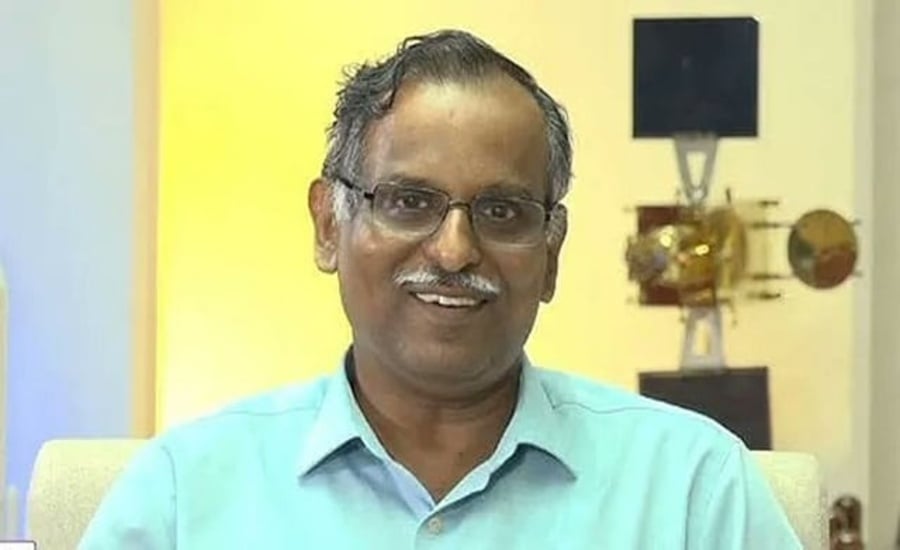
The information was shared by ISRO Chairman and Department of Space Secretary Dr. V. Narayanan during an event at IIT Delhi, where he outlined India’s long-term plans for space exploration and advanced space technologies.
What Is The Bharatiya Antariksh Station
The Bharatiya Antariksh Station will be India’s own space station in Earth orbit. It is expected to provide Indian scientists and astronauts with a dedicated platform for conducting experiments, testing technologies, and carrying out long-duration human space missions.
Read also: From Moon To Sun: How Indian-Made Chips Are Fueling ISRO’s Historic Missions
According to ISRO’s roadmap, the first module of the station is planned to be launched by 2028. The project is considered one of the most important milestones in India’s future space ambitions.
Why Is A Space Station Important
A space station allows astronauts to live and work in space for extended periods. Scientists can perform research in microgravity, test new technologies, and prepare for future deep-space missions. The experience gained from operating a space station will also help India plan future Moon and Mars missions.
How Chandrayaan-3 Changed India’s Space Future
The success of Chandrayaan-3 in August 2023 gave India a major boost in space exploration. The mission made India the first country to successfully land near the Moon’s south pole.
After this achievement, ISRO accelerated several ambitious projects aimed at strengthening India’s position in the global space sector. The mission also demonstrated India’s ability to develop advanced technologies at a comparatively lower cost.
India’s Space Sector Is Growing Rapidly
Dr. Narayanan highlighted that India’s space sector has seen significant changes in recent years. Since the space sector reforms introduced in 2020, more than 440 space startups have emerged across the country. These startups are working in various fields, including:
- Satellite manufacturing
- Launch technologies
- Space applications
- Space communication
- Earth observation
- Space-based services
The growing participation of private companies is helping India build a stronger and more innovative space ecosystem.
India Developed Three Major Cryogenic Technologies
One of the key achievements highlighted by ISRO is India’s success in developing cryogenic engine technology. Cryogenic engines are among the most complex technologies used in space launches.
Dr. Narayanan noted that India has developed three major cryogenic propulsion systems, reducing dependence on foreign technologies. This achievement has strengthened India’s self-reliance in the space sector and improved launch vehicle capabilities.
Why Cryogenic Technology Matters
Cryogenic engines use super-cooled liquid fuels. They provide higher efficiency and greater thrust for launching heavy spacecraft into orbit. Only a few countries in the world have mastered this technology. India’s progress in this field is considered a major technological achievement.
Gaganyaan Mission Preparing India For Human Spaceflight
India’s first human spaceflight mission, Gaganyaan, is another key step in the country’s space roadmap. ISRO is currently preparing for astronaut missions under the Gaganyaan programme. The mission will help India gain valuable experience in human spaceflight operations. This knowledge will support future space station missions and long-duration space travel.
Future Human Spaceflight Plans
India plans to conduct a series of human space missions over the coming years. The experience gained from Gaganyaan will directly contribute to the Bharatiya Antariksh Station project and future lunar missions.
Chandrayaan-4 To Bring Moon Samples Back To Earth
One of ISRO’s most ambitious upcoming projects is Chandrayaan-4. The mission aims to collect samples from the Moon and return them safely to Earth.
If successful, it will place India among a small group of countries capable of conducting lunar sample-return missions. Scientists believe the returned samples could provide valuable insights into the Moon’s history and composition.
India Targets Moon Landing Mission By 2040
ISRO is not stopping with Chandrayaan missions. India is working toward sending an astronaut to the Moon by 2040. To achieve this goal, ISRO is developing advanced launch vehicles, space transportation systems, and next-generation technologies. The long-term vision is to establish India as a leading global space power.
Bharatiya Antariksh Station: Private Companies Will Play A Bigger Role
The Indian government is encouraging private participation in the space sector. Private companies are expected to contribute to:
- Launch vehicle development
- Satellite manufacturing
- Space infrastructure
- Advanced technologies
- Commercial space services
Experts believe collaboration between ISRO and private firms will accelerate innovation and reduce costs.
Read also: How ISRO Became The Launch Partner For 34 Nations Around The World
FAQs
Chandrayaan-4 is a planned ISRO mission that aims to bring Moon samples back to Earth for scientific research.
ISRO plans to launch the first module of the Bharatiya Antariksh Station by 2028.
India aims to send an astronaut to the Moon by 2040 as part of its long-term space exploration roadmap.