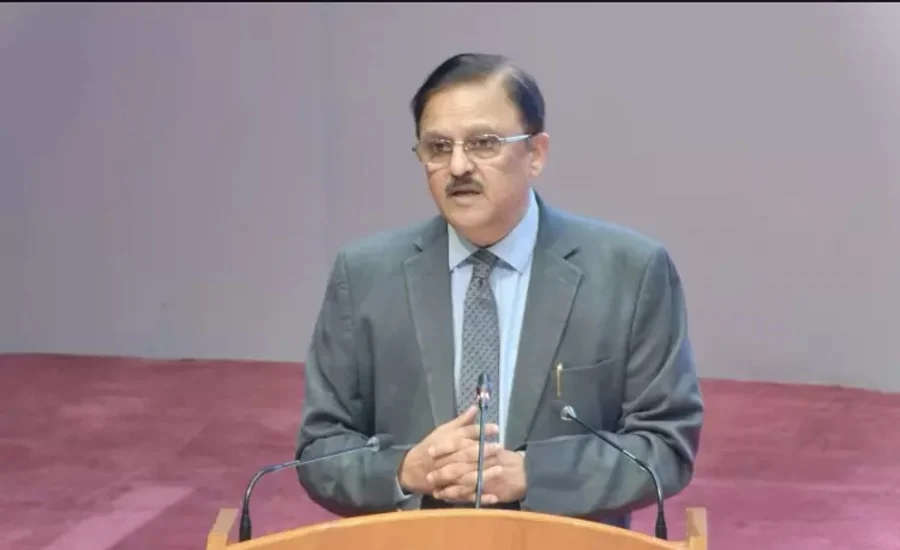
New Delhi: Justice Abhay Oka has called on the Bar Council of India (BCI) to take action against lawyers who discuss their own ongoing cases in the media. Speaking at a legal ethics event, the former Supreme Court judge said that lawyers appearing in active cases should avoid giving media interviews or publicly discussing court proceedings because such actions may amount to self-promotion and could violate professional conduct rules.
His remarks have sparked an important discussion about legal ethics, media reporting, open justice, and the responsibilities of lawyers in India’s judicial system.
Why Justice Abhay Oka Raised The Issue
Justice Oka questioned why some lawyers speak to the media immediately after court hearings and publicly explain the arguments they made before judges.
Read also: Draft Advocates (Amendment) Bill 2026: Top 5 Changes Proposed by the Bar Council of India
He said lawyers are expected to assist courts in delivering justice, not use ongoing cases for personal publicity. According to him, frequent media appearances by lawyers involved in active cases can create misconceptions about court proceedings and influence public opinion before a final judgment is delivered.
Concern Over Self-Promotion
Justice Oka referred to Bar Council rules that prohibit advocates from advertising or soliciting work. He argued that when lawyers involved in ongoing litigation give interviews, seek publicity, or repeatedly discuss their cases in public forums, such conduct may fall within restrictions related to professional advertising and self-promotion.
What Did Justice Abhay Oka Say About Media Discussions
Justice Oka observed that some lawyers not only give interviews after hearings but also host podcasts and discussions where they analyze questions asked by judges during proceedings. According to him, this can create a false impression that the court has already formed a final opinion in the case.
Court Questions Are Not Final Decisions
Justice Oka emphasized that judges often ask questions to understand arguments better or test legal positions. A judge’s observations during hearings should not be treated as an indication of the final verdict. He pointed out that there have been many cases where courts ultimately delivered judgments different from the views expressed during oral arguments.
Justice Abhay Oka Supports Open Courts And Transparency
Despite his concerns, Justice Oka made it clear that he strongly supports open court proceedings.
He said citizens have the right to know what happens inside courts and also expressed support for live-streaming hearings in higher courts. However, he warned that public discussions based on incomplete courtroom exchanges can sometimes mislead people and create unnecessary speculation.
Media Reporting Is Welcome, But Accuracy Matters
Justice Oka stated that objective and accurate reporting plays an important role in a democratic society. He stressed that responsible journalism helps people understand legal developments, while sensational or incomplete reporting may distort public understanding of ongoing cases.
Opposition To Gag Orders On Media
One of the most notable parts of Justice Oka’s speech was his opposition to gag orders against the media. He said courts should generally avoid directing journalists on what they can or cannot report. According to him, restricting media reporting is not the right solution to concerns about media trials.
Courts Should Remain Open To Public Scrutiny
Justice Oka highlighted the principle of open justice. He said courts must remain open to public observation, criticism, and discussion. Constructive criticism of judicial institutions should be welcomed because transparency strengthens public confidence in the justice system.
Concerns About Police And Political Statements During Investigations
Justice Oka also expressed concern over investigating officers and public officials discussing ongoing criminal investigations through press conferences.
He warned that revealing witness statements, investigation details, or claims about confessions could prejudice investigations and influence public perception before a court has examined the evidence.
He noted that determining guilt and deciding punishment are responsibilities of courts, not politicians, police officers, or media commentators.
Why This Matters
Premature public disclosures can:
- Affect fair investigations.
- Influence public opinion.
- Create pressure on witnesses.
- Damage the rights of accused persons.
- Undermine confidence in the judicial process.
FAQs
No. He supports open courts, live-streaming of proceedings, and objective reporting. His concern is about lawyers publicly discussing active cases and creating impressions about pending judicial matters.
Justice Oka said lawyers discussing their own ongoing cases in the media may engage in self-promotion and potentially violate professional conduct rules applicable to advocates.
The Bar Council of India regulates legal practice, sets professional standards for advocates, oversees legal education, and can take disciplinary action for professional misconduct.