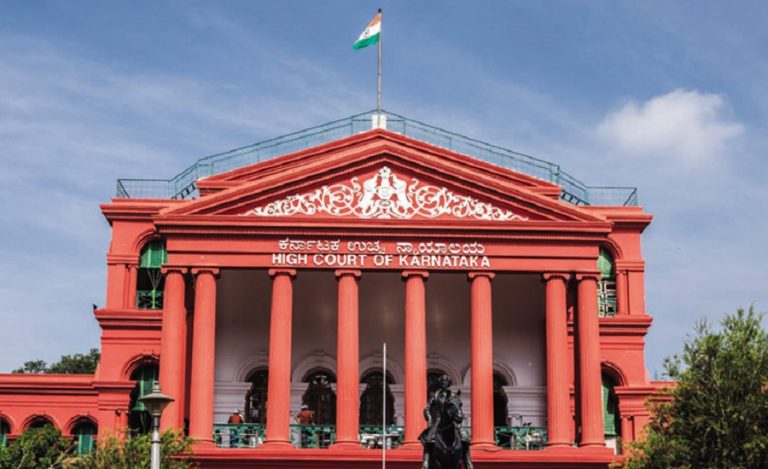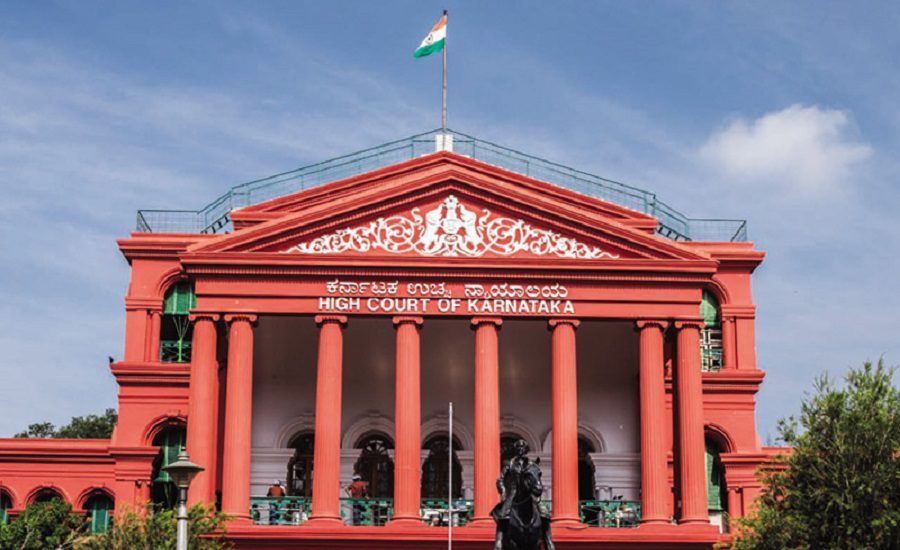
Bangalore: The Karnataka High Court has called for an integrated database of criminal cases to help police officers verify the latest status of criminal proceedings before opening or continuing a rowdy sheet against an individual. The Court said police authorities must not rely on outdated or incomplete criminal records while making such decisions.
In its July 28, 2026, judgment, Justice Suraj Govindaraj directed the State Police to improve digital systems and make verification of criminal cases mandatory before issuing rowdy sheet notices. The Court also asked the Police Computer Wing to examine the possibility of connecting existing criminal justice databases through a single digital platform.
Karnataka Integrated Criminal Case Database: Key Highlights
- Court: Karnataka High Court, Bengaluru
- Judge: Justice Suraj Govindaraj
- Case: Anthony David J @ Kutti Vs State Of Karnataka
- Judgment Date: July 28, 2026
- Main Direction: Develop an integrated digital database of criminal cases.
- Police Requirement: Verify the current status of criminal proceedings before opening or continuing a rowdy sheet.
- Purpose: Prevent unnecessary police notices and protect the rights, dignity and reputation of individuals.
Read also: India New Criminal Laws 2026: Key Changes, Benefits and Impact Explained
What is the Reason of Karnataka Integrated Criminal Case Database
The Karnataka High Court issued these directions while hearing a petition filed by Anthony David J, also known as Kutti. The petitioner challenged a notice issued on July 16, 2026, asking him to explain why his name should not be entered in the police rowdy register.
The police had relied on a criminal case registered against him in 2021. However, the petitioner argued that the same case had already resulted in his acquittal on July 10, 2025.
He also informed the Court that an earlier notice proposing to open a rowdy sheet against him had been quashed by the High Court on July 22, 2024. The petitioner submitted that no other criminal case was pending against him.
After examining the facts, the Court agreed that there was no legal or factual basis for issuing the fresh notice. The Court, therefore, quashed the notice issued against him.
Karnataka High Court Says Police Must Verify Criminal Case Status
The Court observed that this was not an isolated incident. It had repeatedly noticed that police authorities issued notices to open or continue rowdy sheets only because a criminal case had been registered against an individual.
However, the authorities often failed to check whether the case had subsequently ended in acquittal, discharge, closure of investigation or quashing of proceedings. The Court said such actions could force individuals to approach the judiciary unnecessarily.
It emphasised that police authorities must verify the latest status of criminal proceedings before taking administrative action. The Court also made it clear that the registration of a criminal case alone cannot automatically justify opening or continuing a rowdy sheet. The competent authority must examine the relevant material and ensure that the legal requirements are fulfilled.
Rowdy Sheets Can Affect Individual Rights And Reputation
The Karnataka High Court acknowledged that rowdy sheets may be used as an administrative measure to maintain public order and monitor habitual offenders. However, the Court highlighted that such measures can have serious consequences for individuals.
A rowdy sheet may affect a person’s reputation, dignity, liberty, employment, business and social relationships. It may also expose an individual to continuous police surveillance.
The Court said such measures cannot be taken in a routine or mechanical manner. Police authorities must carefully examine the available information and ensure that their decisions are supported by relevant and current material. The Court stressed that administrative powers must be exercised fairly and according to law.
Details of Karnataka Integrated Criminal Case Database
The Court observed that the police department already has access to several digital systems that contain information about criminal cases. These systems include:
1. Crime And Criminal Tracking Network And Systems (CCTNS)
CCTNS is a digital system used by police authorities to manage criminal information and improve the availability of police records. The Court said information from this system could help officers verify the status of criminal cases.
2. Inter-Operable Criminal Justice System (ICJS)
ICJS connects different parts of the criminal justice system. It supports the exchange of information between police, courts, prisons, forensic laboratories and prosecution agencies. The Court said this system could help police officers obtain updated information about criminal proceedings.
3. e-Courts Database
The e-Courts system provides digital information about court cases and their progress. It can help authorities check whether a criminal case is pending, disposed of or has resulted in acquittal or conviction. The Court said these systems could be connected to provide a more complete picture of criminal proceedings.
Police Computer Wing Asked To Examine Digital Platform
The Karnataka High Court requested the Inspector General of Police, Police Computer Wing, to examine the feasibility of developing an integrated digital platform. The platform may be developed by creating new infrastructure or upgrading existing systems.
The Court said it should collect information from CCTNS, ICJS, the e-Courts database and other available government databases. The proposed platform should provide a single-window view of criminal cases registered against an individual.
It should also help police officers access updated information without depending on incomplete or outdated records. The Court stated that the system should include information about different stages of criminal proceedings. These stages may include:
- Registration of criminal cases
- Filing of charge sheets and final reports
- Committal of cases
- Trial proceedings
- Acquittal and conviction
- Discharge of accused persons
- Quashing of criminal proceedings
- Appeals and revision petitions
- Interim orders and final judgments
- Suspension or stay of criminal proceedings
The Court said the database should be updated in real time or at regular intervals to ensure that police officers have access to accurate information.
Police Must Verify Criminal Records Before Issuing Rowdy Sheet Notices
The Karnataka High Court directed the Director General and Inspector General of Police to issue administrative instructions to police officers across the State.
According to the directions, the competent authority must verify the latest status of criminal proceedings before issuing any notice proposing to open or continue a rowdy sheet.
The verification must be carried out using the proposed integrated database or another official source. The Court said police authorities must record the following information:
- Whether verification of criminal proceedings has been completed
- The date on which the verification was conducted
- The official source used for verification
- The criminal cases that are still pending
- The reasons supporting the decision to open or continue a rowdy sheet
The Court made it clear that recording this information and the authority’s satisfaction would be an essential requirement before issuing any notice. This means police officers must have a clear and documented basis for their decisions.
Court Says Digital Information Can Prevent Unnecessary Litigation
The Court observed that the police department should make full use of the technology and digital infrastructure already available.
It said that once updated criminal case information is available electronically, there is little justification for starting proceedings based on incomplete or outdated records.
The Court explained that proper verification could prevent unnecessary litigation and reduce the burden on citizens.
It also said that administrative decisions should be based on accurate information rather than assumptions. The directions aim to improve transparency, fairness and accountability in police administration.
The Court further emphasised that the State must protect the rights and reputation of citizens while exercising its powers.
What Is A Rowdy Sheet
A rowdy sheet is a police record maintained to monitor individuals considered habitual offenders or persons whose activities may affect public order.
Police authorities may use such records as an administrative measure for monitoring activities and maintaining law and order. However, the Karnataka High Court has repeatedly emphasised that opening or continuing a rowdy sheet must follow the applicable legal requirements.
Authorities must examine relevant material and cannot rely only on the registration of criminal cases. The latest judgment reinforces the requirement that police decisions must be based on verified and current information.
Read also: AIBE Rules Explained: Karnataka HC Clarifies When Advocates May Face Criminal Action
FAQs
The Court said police authorities must verify the current status of criminal cases before issuing rowdy sheet notices. They must record the information checked, the source used and the reasons supporting their decision.
The Karnataka High Court called for an integrated database to help police officers verify the latest status of criminal proceedings before opening or continuing rowdy sheets. The system aims to prevent action based on outdated or incomplete records.
The Court suggested integrating CCTNS, ICJS, the e-Courts database and other available government databases. The proposed platform should provide police officers with an updated, single-window view of criminal proceedings.