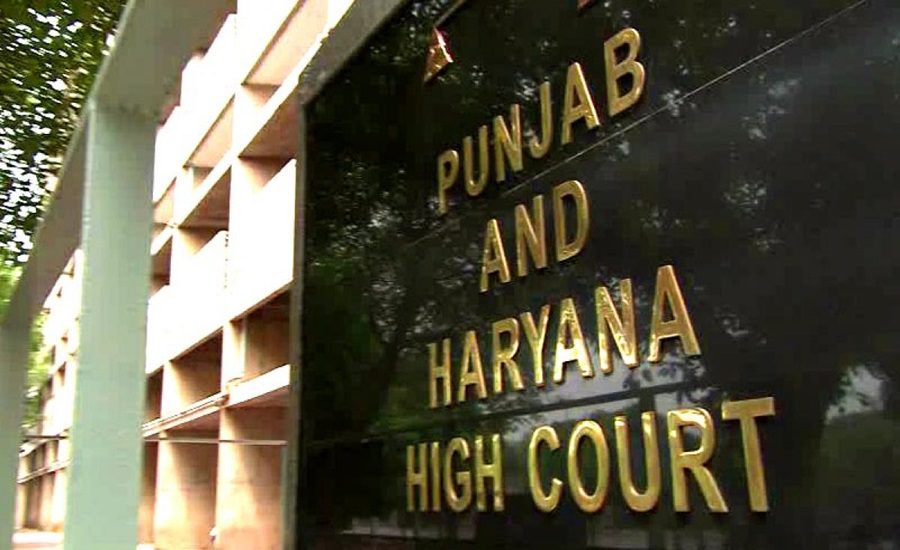
Chandigarh: The Punjab and Haryana High Court issued a contempt of court notice to Punjab Chief Secretary K.P. Sinha. The court found that incorrect information was presented regarding the filing and status of a Special Leave Petition (SLP) before the Supreme Court in a case related to pending Dearness Allowance (DA) dues of Punjab government employees. The matter has raised serious concerns about accuracy and accountability in court proceedings.
Details of Punjab Chief Secretary Contempt Case
The controversy is linked to the Punjab government’s challenge against a High Court order directing payment of pending Dearness Allowance arrears to government employees.
Read also: Punjab HC Puts Chief Secretary on Contempt Notice Over 25-Year Pension Case
The Punjab government had informed the High Court that it had approached the Supreme Court by filing a Special Leave Petition (SLP) against the order. However, questions later emerged regarding the actual status of that petition.
Why Did The High Court Issue A Contempt Notice to Punjab Chief Secretary
According to reports, the Punjab and Haryana High Court observed that facts regarding the SLP were allegedly misrepresented before the court.
The Bench took serious note of the statements made on behalf of the Punjab government and issued a contempt notice to Chief Secretary K.P. Sinha, seeking an explanation. The court also expressed concern over allegations that “bench hunting” was taking place through attempts to obtain a favorable judicial forum.
What Is Contempt Of Court?
Contempt of court refers to any act that disrespects the authority of the court, obstructs judicial proceedings, or interferes with the administration of justice. If a court believes false or misleading information has been provided intentionally, it may initiate contempt proceedings against the responsible person.
Background Of The Dearness Allowance Dispute
The ongoing dispute relates to payment of pending Dearness Allowance arrears to Punjab government employees and pensioners. Earlier, the Punjab and Haryana High Court directed the state government to comply with orders related to DA payments. The government subsequently attempted to challenge the decision before the Supreme Court.
Defects Found In SLP
Reports had earlier indicated that the Supreme Court Registry found multiple technical defects in the Punjab government’s Special Leave Petition. Because of these defects, the petition faced procedural hurdles before it could move forward. This aspect later became important during the High Court proceedings.
Punjab Chief Secretary Contempt Case: Court Seeks Accountability
The High Court’s action highlights the judiciary’s emphasis on transparency and truthful disclosure in legal proceedings. Courts rely on accurate submissions from government officials and legal representatives. Any incorrect statement can affect judicial decision-making and may invite strict action.
FAQs
A Special Leave Petition is a legal mechanism through which a party can seek permission from the Supreme Court of India to challenge a judgment or order passed by a lower court.
The court issued the notice after observing that facts related to the filing and status of a Special Leave Petition (SLP) before the Supreme Court may have been incorrectly presented during proceedings.
The case concerns pending Dearness Allowance (DA) arrears owed to Punjab government employees and pensioners, which the state government has challenged through legal proceedings.