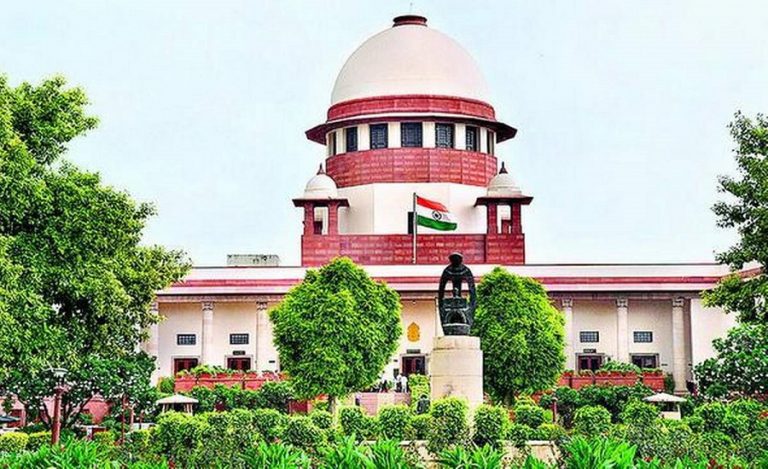
New Delhi: The Supreme Court dismisses Lokpal challenge in the National Productivity Council (NPC) promotion case, refusing to interfere with the Delhi High Court’s decision that had quashed the Lokpal’s order for a CBI preliminary inquiry. The judgment clarifies that before directing an investigation under the Lokpal and Lokayuktas Act, public servants must first be given an opportunity to be heard.
Details of NPC Promotion Case
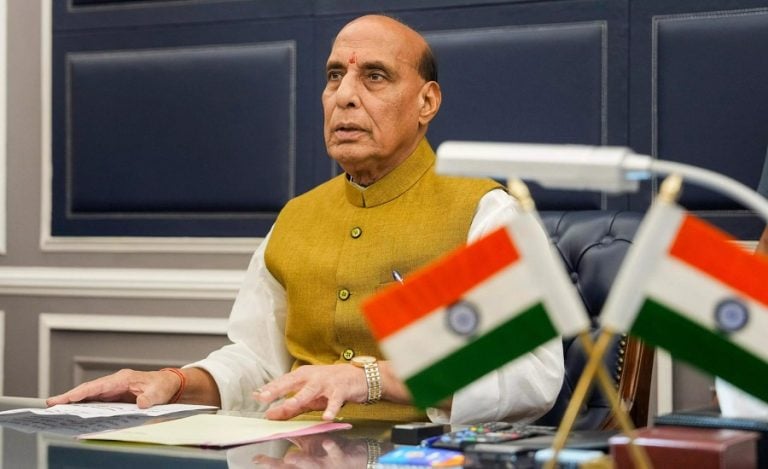
The dispute arose from allegations of irregularities in recruitment and promotions at the National Productivity Council (NPC). The Lokpal had earlier directed the Central Bureau of Investigation (CBI) to conduct a preliminary inquiry against Defence Secretary Rajesh Kumar Singh, who was serving as Secretary of the Department for Promotion of Industry and Internal Trade (DPIIT) when the NPC functioned under the department.
Read also: Supreme Court Bans Uploading Court Proceedings Online Without Prior Permission
The Delhi High Court later set aside the Lokpal’s order, stating that the procedure followed under the Lokpal and Lokayuktas Act was legally incorrect.
NPC Promotion Case: Supreme Court Refuses To Interfere
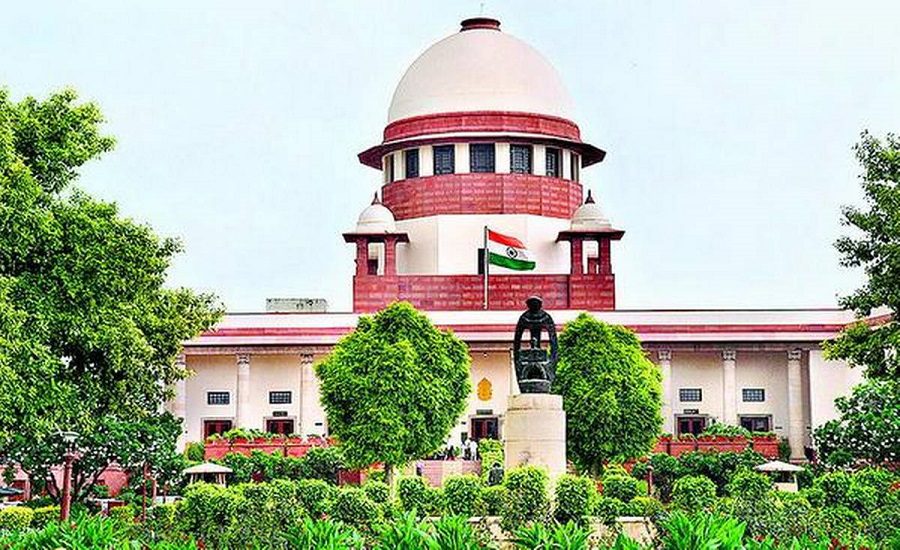
A Bench comprising Chief Justice Surya Kant, Justice Joymalya Bagchi, and Justice V. Mohan dismissed the Lokpal’s appeal after hearing arguments from all sides.
The Court agreed that there was no reason to interfere with the Delhi High Court’s ruling. It observed that the High Court had already allowed the Lokpal to proceed further under the law if required, following the correct legal procedure.
Court Says No Prima Facie Case Was Properly Formed
During the hearing, Justice Joymalya Bagchi noted that the allegations did not show any clear dereliction of duty. The Bench also observed that an error in judgment should not automatically be treated as corruption. It questioned whether the allegations, even if accepted at face value, established any criminal offence.
NPC Promotion Case: Why The Delhi High Court Quashed The Order
The Delhi High Court had ruled that under Section 20(3) of the Lokpal and Lokayuktas Act, 2013, the Lokpal must first provide the concerned public servant an opportunity to be heard before forming a prima facie opinion and directing an investigation.
According to the High Court, the Lokpal had already expressed firm conclusions such as the need for a “deeper probe” and alleged actions “bordering on corruption” before giving the officials a hearing. This violated the principles of natural justice.
NPC Promotion Case: Supreme Court’s Observations
The Supreme Court pointed out that the Delhi High Court had not completely stopped the Lokpal from taking action. Instead, the High Court had only required the Lokpal to follow the proper legal process before moving ahead. The Bench also remarked that if the Lokpal believed further action was necessary after following due procedure, the law already provided a way forward.