New Delhi: The Supreme Court court proceedings recording ban has restricted the unauthorised posting, editing, sharing and monetisation of audio-video recordings of judicial hearings on social media and other digital platforms. The Supreme Court passed the interim direction on July 24, 2026, while considering concerns over the misuse of livestreamed courtroom videos.
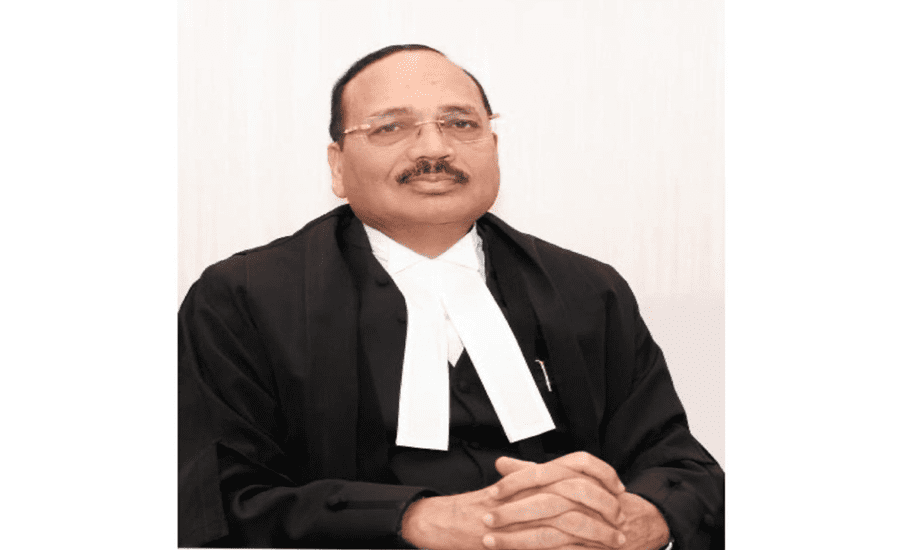
A three-judge Bench comprising Chief Justice of India Surya Kant, Justice Joymalya Bagchi and Justice V. Mohana passed the interim order. The Supreme Court’s official cause list confirms the composition of Court No. 1 on July 24.
Importantly, the restriction does not stop news organisations from reporting court proceedings. The Court clarified that its interim direction should not affect news reporting.
Details of Supreme Court Court Proceedings Recording Ban Ruling
Under the interim direction, audio-video recordings of judicial proceedings cannot be extracted, modified, disseminated, posted, reposted, uploaded or monetised on social media or other digital platforms without prior permission.
Read also: Chief Justice of India Surya Kant Responds Strongly After Fake Caste Comment Spreads Online
For Supreme Court proceedings, permission must be obtained from the Secretary General of the Supreme Court. For High Court proceedings, permission is required from the Registrar General of the concerned High Court.
This means users cannot simply take clips from livestreamed hearings, edit them and publish them independently on platforms such as social media or other digital services without the required approval.
Why Did the Supreme Court Issue the Restriction
The interim order came during the hearing of a public interest litigation concerning the alleged misuse of livestreamed judicial proceedings. The petition raised concerns about court videos being selectively clipped, edited, circulated or commercially exploited online without proper context.
Senior Advocate Vikas Singh, appearing for the petitioner, raised concerns about how clips from judicial proceedings were being circulated online. Solicitor General Tushar Mehta also supported the need for appropriate regulation of such content.
Does the Order Ban Supreme Court Livestreaming
No. The interim order does not amount to a complete ban on livestreaming of court proceedings. The Supreme Court itself continues to maintain an official livestreaming facility. Its website provides access to live Supreme Court sessions and archives of certain previous proceedings.
The immediate restriction is focused on the unauthorised use and circulation of recordings, including extracting, editing, reposting and monetising them on digital platforms. However, the Bench also discussed broader concerns surrounding continuous livestreaming and its possible misuse.
Supreme Court Court Proceedings Recording Ban Ruling: Major Raises Concerns
During the hearing, the judges raised concerns about short or selectively edited courtroom clips being consumed without understanding the complete proceedings. CJI Surya Kant stressed the importance of understanding court proceedings and judicial orders in their proper context rather than depending on selectively circulated clips.
Justice Joymalya Bagchi also raised concerns about regulating digital data and questioned whether unrestricted access to livestreams should continue in its existing form. These observations are part of the ongoing proceedings and should not be confused with the binding portion of the interim order.
What Do Existing Supreme Court Livestreaming Rules Say
The latest dispute also has an important background. The Supreme Court had paved the way for livestreaming proceedings of constitutional and national importance through its 2018 judgment in Swapnil Tripathi v. Supreme Court of India. Livestreaming of important Supreme Court proceedings later began in 2022.
The Supreme Court’s Model Rules for Live-Streaming and Recording of Court Proceedings already provide restrictions on unauthorised recording, sharing and dissemination of livestreamed proceedings and archival material. The latest interim direction strengthens the Court’s response to concerns over how judicial video content is being used across digital platforms.
Read also: Retirement Age of Judicial Officers: Supreme Court Asks States, UTs to Consider Increase to 61