New Delhi: Delhi recorded 220 days with good-to-moderate air quality between January and October 2026, the highest number for the corresponding period since 2018, barring 2020, according to data released by the Ministry of Environment, Forest and Climate Change.
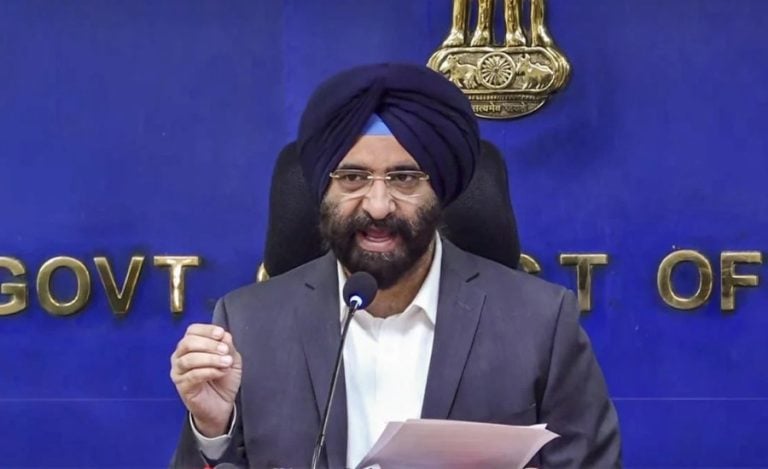
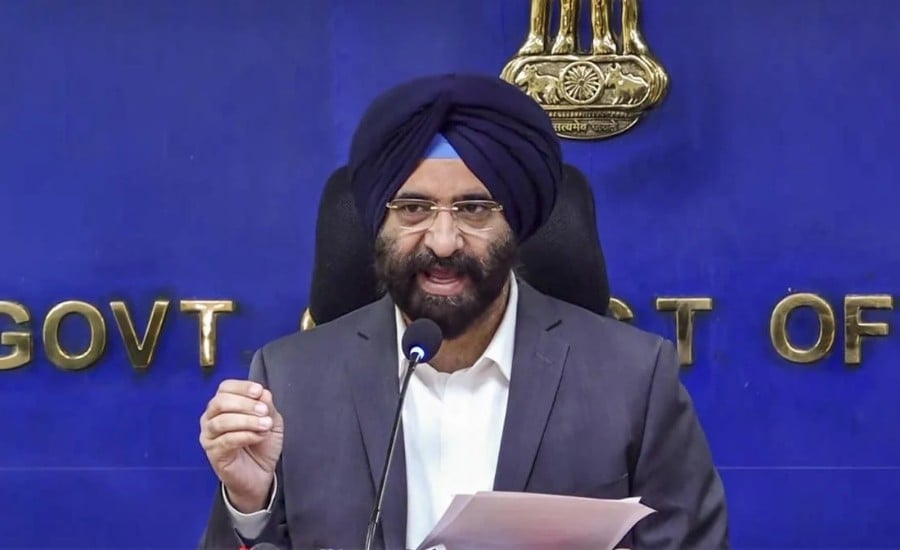
Delhi Environment Minister Manjinder Singh Sirsa cited the figures while highlighting the Rekha Gupta government’s efforts to address air pollution. He also described October as the capital’s cleanest in a decade and referred to the expansion of electric vehicle (EV) charging infrastructure.
During a press conference, Sirsa also criticised the Punjab government over stubble-burning incidents, alleging that they were contributing to Delhi’s pollution. He also questioned the appointment of Reena Gupta as chairperson of the Punjab Pollution Control Board (PPCB).
Delhi Records 220 Good-to-Moderate AQI Days
According to the Ministry’s October 31 release, Delhi recorded 220 days in the good-to-moderate air quality categories between January 1 and October 31, 2026.
The figure compares with 200 days during the same period in 2025, 201 in 2024 and 206 in 2023. The capital recorded 224 such days in 2020.
Read Also: Delhi Winter Pollution Plan: No Fuel Without PUC, Vehicle Curbs and AI Monitoring from November 1
The data also showed a reduction in the number of days when air quality remained in the poor-to-severe-plus categories.
Key figures include:
- Good-to-moderate days: 220 between January and October 2026.
- Poor-to-severe-plus days: 84 during the same period, compared with 104 in 2025 and 104 in 2024.
- Average AQI for October: 166 in 2026, compared with 223 in 2025 and 234 in 2024.
- Average AQI from January to October: 167 in 2026, against 170 in 2025 and 184 in 2024.
- Average PM2.5 concentration: 69 micrograms per cubic metre between January 1 and October 29, compared with 72 micrograms per cubic metre during the corresponding period in 2025.
The Ministry described October 2026 as the month with Delhi’s lowest average AQI for October in the last eight years.
Sirsa Highlights EV Charging Infrastructure Expansion
Sirsa also referred to the expansion of electric mobility infrastructure as part of the government’s efforts to reduce vehicular emissions.
According to a report based on Delhi government figures, the capital had installed 14,225 EV charging points as of September 30, 2026, exceeding the target of 13,913 points set by the Commission for Air Quality Management (CAQM) for December 2026.
The city added 5,312 charging points between January and September, crossing the target three months ahead of schedule.
The government has set a further target of expanding the network to 32,062 charging points by December 2029.
Delhi’s Electric Vehicle Policy 2026, notified on June 30, also provides for a phased transition towards electric mobility. It sets registration requirements for certain vehicle categories, including electric three-wheelers and goods vehicles from January 2027 and electric two-wheelers from April 2028.
Sirsa Accuses Punjab of Contributing to Delhi’s Pollution
The Delhi Environment Minister also raised concerns over stubble burning in Punjab, alleging that the practice was contributing to air pollution in the national capital.
He cited more than 900 farm-fire incidents in Punjab during the period under discussion and contrasted the figure with the numbers reported in Haryana and Uttar Pradesh.
Sirsa also alleged that the Punjab government had not taken adequate action to prevent crop-residue burning.
Weather Conditions Also Influenced October’s Air Quality
The improvement in Delhi’s October air quality coincided with unusually heavy rainfall towards the end of the month.
On October 30, the capital recorded an AQI of 60, placing it in the satisfactory category. The reading followed heavy rainfall across the city, which helped disperse pollutants.
The average AQI for October stood at 166, according to the Ministry’s data. An analysis by the Centre for Research on Energy and Clean Air (CREA), reported by several organisations, put the monthly average at 167 and identified it as the lowest October average since 2015.
The figures indicate an improvement compared with recent years, although the role of weather conditions must also be considered when assessing changes in pollution levels.
Delhi’s air quality remains a concern, particularly with the onset of winter, when lower temperatures, reduced wind speeds and other seasonal factors can contribute to the accumulation of pollutants.
Read Also: Delhi Plans 3.3-km Netaji Subhash Marg Redevelopment with Heritage Park and Improved Public Spaces