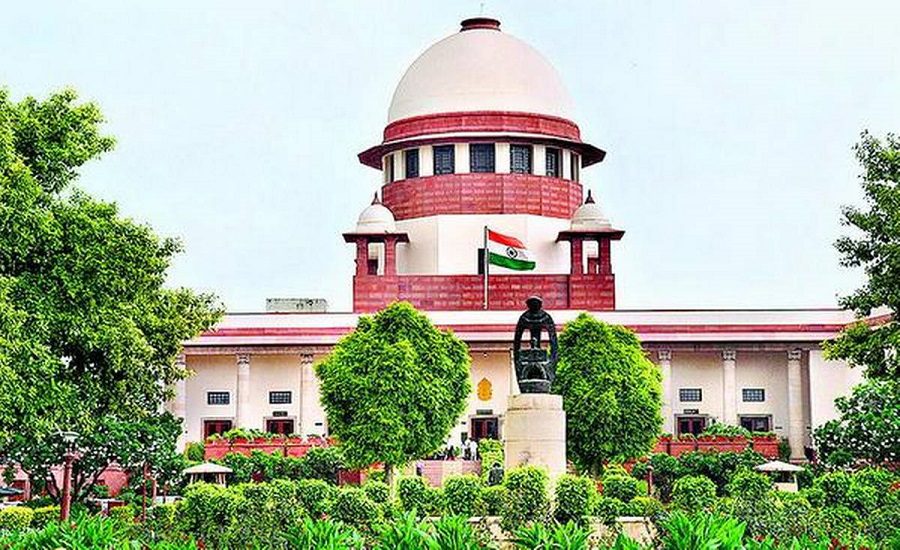
New Delhi: Supreme court teacher qualifications order has become a significant development in India’s education sector. The Supreme Court has passed an interim order directing that no teacher should be appointed or allowed to continue in schools or colleges unless they possess the qualifications prescribed under the Right to Education (RTE) Act, the National Council for Teacher Education (NCTE) Act, and the University Grants Commission (UGC) Act.
The order came while the Court was hearing a Public Interest Litigation (PIL) challenging the regularisation and provincialisation of teachers without proper recruitment and qualification requirements.
Details of Supreme Court Teacher Qualifications Order
The Supreme Court has temporarily restrained the appointment of teachers in schools and colleges who do not meet the mandatory qualifications prescribed under the applicable education laws.
Read also: How Article 142 Helped Student Protesters Win Relief From The Supreme Court
A Bench comprising Chief Justice of India Surya Kant, Justice Joymalya Bagchi, and Justice V. Mohana passed the interim direction while hearing a PIL related to teacher appointments and provincialisation schemes. The Court clearly stated that no teacher should be appointed or continue in service without possessing the required statutory qualifications.
What Did The Supreme Court Say
The Bench directed that, as an interim measure, teachers must possess qualifications prescribed under the RTE Act, NCTE Act, and UGC Act before being appointed in educational institutions.
The order seeks to ensure that educational institutions maintain minimum standards of teaching quality and comply with statutory requirements.
Background Of The Supreme Court Teacher Qualifications Order
The interim direction was issued while the Court considered a PIL challenging various statutory schemes related to provincialisation and regularisation of teachers and employees in educational institutions.
According to the petition, some schemes may allow teachers and other employees to enter government service without undergoing a fair, transparent, and competitive recruitment process.
The PIL also questions whether such schemes comply with constitutional principles and established recruitment norms.
Impact Of The Supreme Court Teacher Qualifications Order
The interim order is expected to have a significant impact on teacher recruitment across the country. Educational institutions will now need to ensure strict compliance with qualification requirements before making appointments. The decision may also affect ongoing recruitment processes where eligibility requirements have not been fully met.
Experts believe the order reinforces the principle that quality education begins with qualified teachers.
Legal Significance Of The Supreme Court Teacher Qualifications Order
The Court’s observations underline the importance of transparent and competitive recruitment procedures in public education institutions.
Protection Of Educational Standards
The order aims to prevent dilution of educational standards by ensuring that only qualified candidates enter the teaching profession.
Strengthening Accountability
The ruling strengthens accountability among educational institutions and government authorities responsible for recruitment.
Read also: Why Did The Supreme Court Order An Inquiry Against A Judicial Officer? Full Story Here
FAQs
The order was passed while hearing a PIL challenging schemes that allegedly allow teachers and employees to enter government service without a fair and competitive recruitment process.
The Supreme Court has directed that no teacher should be appointed or continue in schools or colleges without possessing qualifications prescribed under the RTE Act, NCTE Act, and UGC Act.
Educational institutions will need to verify that candidates possess all mandatory qualifications before appointment, ensuring compliance with statutory education laws.