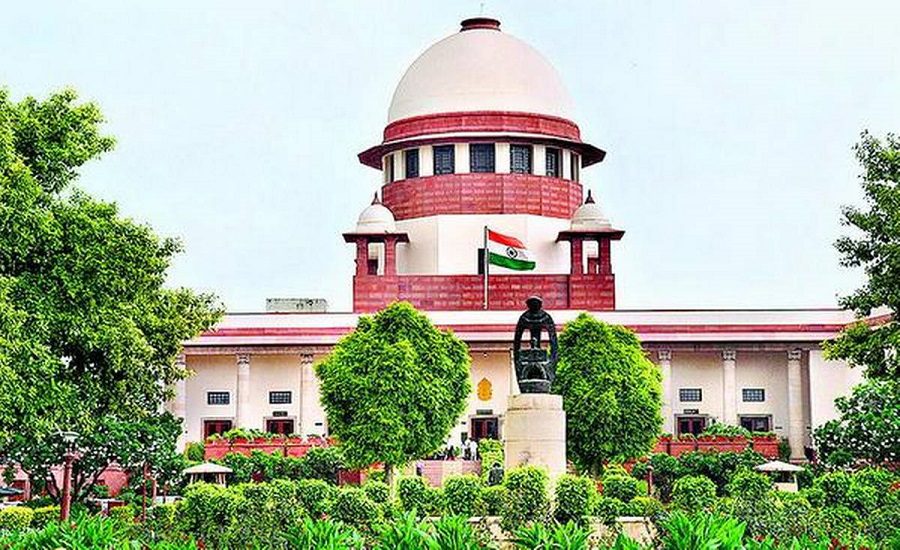
New Delhi: The Supreme court firecracker rules for Diwali have taken a new turn. The Supreme Court indicated that it is not in favor of a complete ban on firecrackers during Diwali. At the same time, the court also made it clear that unrestricted use of crackers will not be allowed. The court is considering a balanced approach with specific time limits for bursting permitted firecrackers.
This development came during a hearing on long-running cases related to firecracker restrictions, air pollution, and public health concerns in Delhi-NCR and several northern states.
Why Did The Supreme Court Reject A Blanket Ban
A bench comprising Justice MM Sundresh and Justice PB Varale observed that a complete ban could hurt the sentiments of people who celebrate Diwali. However, allowing crackers throughout the day could negatively affect the environment and vulnerable groups such as children, senior citizens, and people with health issues.
Read also: Women’s Safety Under Spotlight As Supreme Court Takes Suo Motu Cognizance Of Delhi-NCR Rape Cases
The court stated that it would neither support a total prohibition nor permit 24-hour firecracker use. Instead, it emphasized the need for fixed time slots for bursting approved crackers.
Focus On Controlled And Limited Use
The Supreme Court indicated that celebrations and environmental protection should go hand in hand. The court’s observations suggest that regulated use of crackers may become the preferred approach during future Diwali celebrations.
Supreme Court Firecracker Rules: Court May Allow Certain Categories Of Firecrackers
The court also signaled its willingness to consider allowing specific categories of firecrackers, including “lari” or joint firecrackers, subject to conditions. The judges noted that they were inclined to accept some of the suggestions placed before them. However, the final decision will depend on expert reports and environmental assessments.
Supreme Court Firecracker Rules: CPCB Report To Play Key Role
Additional Solicitor General Aishwarya Bhati requested time until October 15 to submit the Central Pollution Control Board’s (CPCB) report regarding barium-based firecrackers. The report is important because outdoor testing of such crackers has not yet been completed.
The Supreme Court accepted the request and said it would review the findings before deciding which types of firecrackers may be permitted.
Earlier Directions To CPCB
In July, the apex court had already asked the CPCB to examine whether certain categories of firecrackers could be allowed with some relaxation in existing noise-related restrictions.
Background Of The Firecracker Case
The current proceedings are linked to a case that began in 2015. Over the years, the Supreme Court has issued multiple directions regulating the manufacture, sale, and use of firecrackers, especially due to concerns about worsening air quality in Delhi and nearby regions.
Previous Orders On Green Crackers
In recent years, the court has experimented with different approaches, including allowing approved green crackers during limited time windows while imposing restrictions aimed at reducing pollution levels.
Why Firecracker Pollution Remains A Concern
Experts have repeatedly highlighted that firecrackers contribute to air and noise pollution. Studies have shown that particulate matter levels can rise significantly during Diwali celebrations, creating health risks for sensitive groups. The Supreme Court’s latest observations indicate that future rules may focus on controlled use rather than complete prohibition.
Read also: Supreme Court Pushes Big Reform: Government Asked to Shift Coal-Based Industries from Delhi-NCR
FAQs
The court said a complete ban could affect the sentiments of people celebrating Diwali, while unrestricted use could harm the environment and public health.
The Supreme Court has not issued a final order yet. It has indicated support for regulated and time-bound use of certain firecrackers but will make a final decision after reviewing the CPCB report.
The CPCB report will provide scientific findings on firecracker categories, including barium-based crackers. The Supreme Court will use this report before deciding which crackers may be permitted.