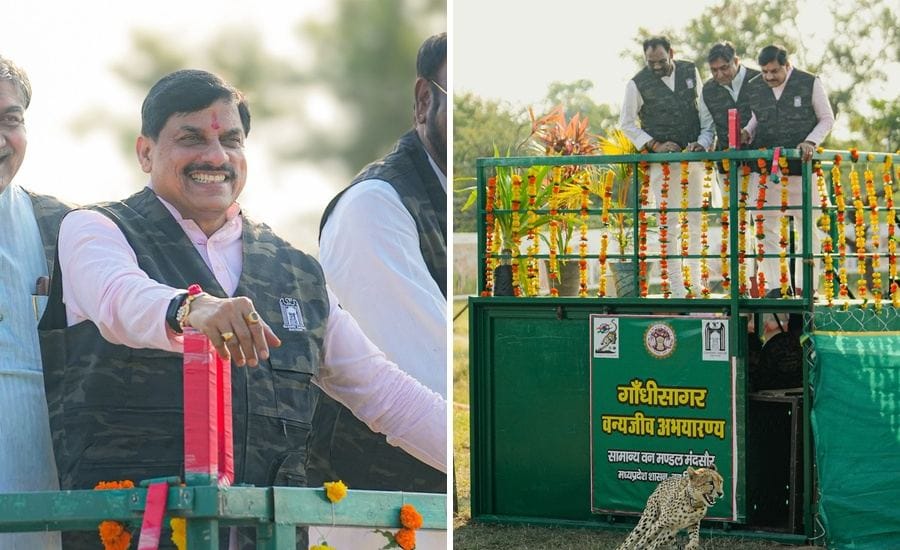
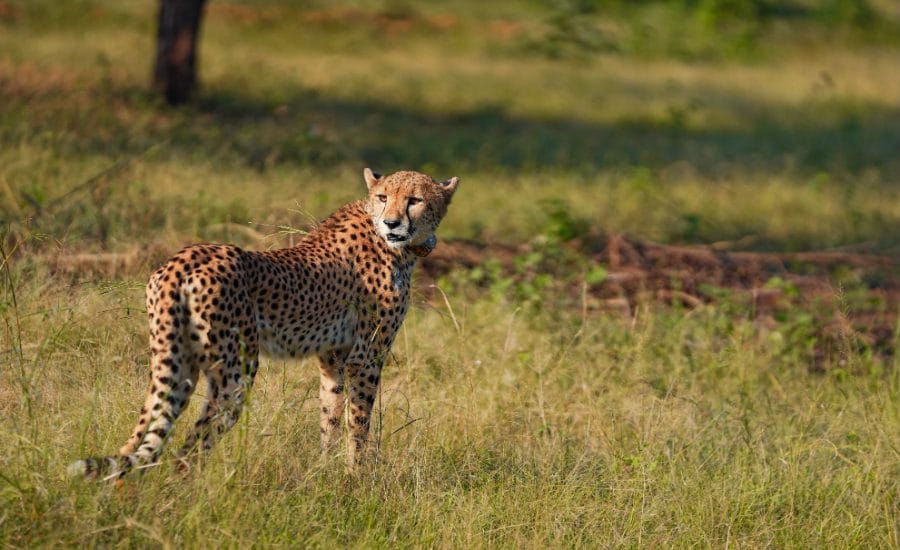
Bhopal: Madhya Pradesh’s cheetah conservation programme reached another milestone on September 20 as Chief Minister Dr. Mohan Yadav released Botswana-origin female cheetah CCB-2 at the Gandhi Sagar Wildlife Sanctuary in Neemuch district. With her arrival, the sanctuary now has four cheetahs — two males and two females.
CCB-2 was shifted from Kuno National Park to Gandhi Sagar as part of the broader effort to establish multiple habitats for cheetahs in Madhya Pradesh. Gandhi Sagar has emerged as the second home for African cheetahs in India, alongside Kuno.
The addition of another female is also expected to support the long-term expansion of the cheetah population at Gandhi Sagar. The sanctuary already houses South African males Prabhas and Pawak and female Dheera.
Gandhi Sagar Now Has Four Cheetahs
The release of CCB-2 takes the number of cheetahs at Gandhi Sagar to four. The sanctuary now has two males and two females, creating a larger population base at the site.
The development is significant because Project Cheetah is designed to establish cheetah populations across more than one suitable habitat rather than depending entirely on a single location. Gandhi Sagar’s development as a second habitat is therefore an important part of this strategy.
CCB-2 was released into a separate soft-release enclosure at Gandhi Sagar. The enclosures housing the different cheetahs are located several kilometres apart, allowing authorities to manage the animals carefully during the transition.
CCB-2 Brings a New Genetic Line
CCB-2 is a three-year-old female from Botswana. She was among the cheetahs brought to India from Botswana in February 2026 and was initially housed at Kuno National Park before being moved to Gandhi Sagar.
Her transfer also has significance from a genetic-diversity perspective. Gandhi Sagar already has cheetahs of South African origin, while CCB-2 comes from Botswana. Project administrators are seeking to build a population with animals from different genetic lines, which can contribute to greater genetic diversity among future offspring.
The move therefore goes beyond simply increasing the number of animals at the sanctuary. It forms part of the long-term effort to develop a sustainable cheetah population across multiple habitats.
CM Yadav Highlights Wildlife Conservation
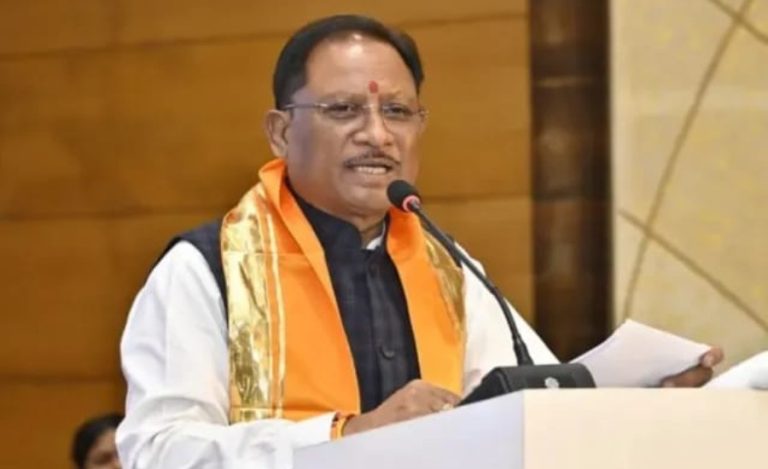
After releasing CCB-2, Chief Minister Mohan Yadav highlighted the role of wildlife conservation in strengthening Madhya Pradesh’s ecological landscape.
He described the return and expansion of the cheetah population as an important achievement and credited the state’s Forest Department and people for supporting conservation efforts. Yadav also referred to the principle of “live and let live” while discussing the state’s approach towards wildlife.
According to the Chief Minister, Madhya Pradesh currently has 56 cheetahs and cubs across its cheetah habitats. Independent reports on the September 20 release also put India’s total cheetah population at 56, with four African cheetahs at Gandhi Sagar and the remaining animals at Kuno.
From Kuno to a Second Cheetah Habitat
Gandhi Sagar’s role has expanded steadily under Project Cheetah. In April 2025, South African male cheetahs Prabhas and Pawak were moved from Kuno to the sanctuary. Five months later, South African female Dheera was also shifted there, making Gandhi Sagar the country’s second habitat for African cheetahs.
The arrival of CCB-2 adds another female to this group and expands the sanctuary’s potential for future population growth.
The strategy is also aimed at reducing dependence on a single habitat. A multi-site conservation model can provide additional space for the species and create greater flexibility in managing the growing cheetah population.
Wildlife Conservation and Local Communities
The Madhya Pradesh government has also linked wildlife conservation with opportunities for local communities. Yadav said the expansion of wildlife initiatives has contributed to employment and changes in the lives of people living around such areas.
He recalled that some local residents had concerns when the cheetah project began, but said the situation improved with time and cooperation. Wildlife conservation, he noted, depends on positive participation from local communities.
The experience around Gandhi Sagar will therefore be important not only for the cheetah population but also for the relationship between conservation, tourism and local livelihoods.
A Wider Conservation Network Taking Shape
The development at Gandhi Sagar is part of Madhya Pradesh’s larger effort to create a wider network of habitats for cheetahs. Besides Kuno and Gandhi Sagar, Veerangana Durgavati Tiger Reserve in the Bundelkhand region has also prepared secured enclosures to receive cheetahs.
With CCB-2 now joining three other cheetahs at Gandhi Sagar, Madhya Pradesh is moving towards a multi-site approach to cheetah conservation. The focus in the coming period will be on the animals’ adaptation, health, breeding and the development of sustainable populations.
For the state, the expansion of Project Cheetah also connects wildlife protection with biodiversity conservation, eco-tourism and local economic opportunities. The Gandhi Sagar development thus represents another step in Madhya Pradesh’s effort to establish the cheetah as part of its broader natural landscape.
Read Also: MP Farmers to Get 10 Hours of Daytime Power as CM Yadav Pushes Irrigation Expansion