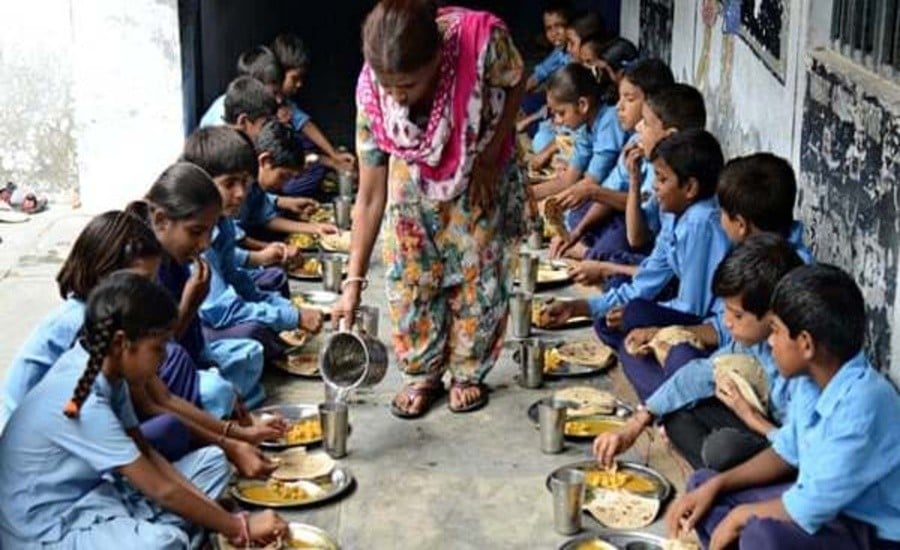
Bhopal: Madhya Pradesh has strengthened its supplementary nutrition system for children, pregnant women and lactating mothers, with locally prepared Take-Home Ration (THR) now being distributed through self-help groups across the state.
The Women and Child Development Department introduced the new THR system in the first week of August. The initiative aims to improve local access to nutritious food while increasing the participation of self-help groups in nutrition delivery.
300 Days of Supplementary Nutrition
Under the Supplementary Nutrition Programme, eligible beneficiaries receive nutrition services for at least 300 days a year.
Children aged 3 to 6 years receive breakfast and hot cooked meals every day at Anganwadi centres. Children aged 6 months to 3 years, along with pregnant and lactating mothers, receive hot cooked meals on Tuesdays and THR on the remaining days.
The state has also extended locally prepared THR as additional nutritional support to children identified as severely acutely malnourished (SAM) and severely underweight (SUW).
Read Also: Madhya Pradesh Strengthens Take-Home Ration System Under CM Mohan Yadav, Expands SHG Role
Nutrition Monitoring Through Anganwadi Centres
The state is combining food support with regular monitoring of children’s growth and health. Anganwadi workers measure children’s weight and height and record the data on the Poshan Tracker.
Children identified with nutritional concerns receive health examinations, nutrition counselling and follow-up care. When necessary, Anganwadi centres coordinate with the Health Department and Nutrition Rehabilitation Centres for further treatment and referral.
Monthly 10-day physical measurement drives provide intensive screening and health checks for children from birth to six years. Children identified as SAM, moderately acutely malnourished (MAM) or SUW are enrolled under the Chief Minister Bal Arogya Samvardhan Programme for necessary health services.
Local Self-Help Groups Get Bigger Role
The new THR arrangement gives local self-help groups a greater role in preparing and supplying nutritional food.
Distribution of locally prepared THR has begun at Anganwadi centres across Madhya Pradesh. Besides improving the availability of nutrition at the local level, the arrangement is expected to create greater participation of community-based self-help groups in welfare delivery.
This local approach can also help make the nutrition supply system more responsive to beneficiaries and local requirements.
Special Focus on Tribal Communities
The government is giving additional attention to nutrition and healthcare access in special tribal areas of Madhya Pradesh.
Under the Pradhan Mantri Janjatiya Nyaya Maha Abhiyan, 681 new Anganwadi centres have started functioning with support from the Union Ministry of Tribal Affairs.
In areas inhabited by Particularly Vulnerable Tribal Groups such as Sahariya, Baiga and Bharia communities, authorities are prioritising Anganwadi services, supplementary nutrition and regular monitoring of children’s growth.
Health officials are coordinating with the Women and Child Development Department for screening, medical examinations, referrals and follow-up services.
Nutrition Support Linked With Health Monitoring
The state’s approach goes beyond providing food. By combining supplementary nutrition with growth monitoring, health screening and family counselling, the system seeks to identify nutritional problems at an early stage.
For pregnant and lactating women, regular access to supplementary nutrition is also intended to strengthen maternal health support. For young children, continued monitoring can help identify cases requiring additional medical or nutritional intervention.
The increased involvement of self-help groups further connects local communities with the delivery of government nutrition services.
Strengthening Nutrition Delivery Across Madhya Pradesh
The new THR system represents a shift towards a more localised model of supplementary nutrition delivery. With daily cooked meals continuing for children aged 3–6 and locally prepared THR being supplied to other eligible beneficiaries, the government is seeking to maintain regular access to nutritional support.
The initiative also places greater emphasis on tracking children’s nutritional status and coordinating with health facilities when additional care is required.
With local self-help groups, Anganwadi centres and health services working together, Madhya Pradesh aims to make supplementary nutrition more accessible, locally driven and sustainable for children and mothers across the state.