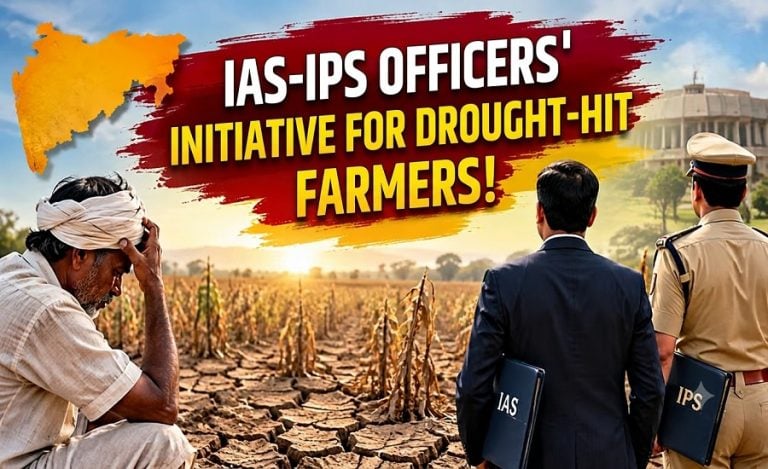
Mumbai: Amid severe water shortages and growing agricultural distress across parts of Maharashtra, senior Indian Administrative Service (IAS) and Indian Police Service (IPS) officers in the state have decided to contribute one day’s salary for October 2026 to the Chief Minister’s Relief Fund to support drought-affected farmers.
The initiative comes after Maharashtra’s Relief and Rehabilitation Department officially declared 305 talukas drought-affected on October 14, 2026. The declaration follows worsening drought conditions that have placed considerable financial pressure on farming families and agricultural workers.
Alongside the voluntary contribution by senior bureaucrats, the state government has announced several relief measures, including land revenue exemptions, restructuring of crop loans, suspension of agricultural loan recovery, concessions on electricity bills for agricultural pumps and examination fee waivers for students from affected areas.
The relief efforts have also drawn support from elected representatives, while demands for direct financial assistance to farmers and agricultural labourers have intensified.
IAS and IPS Officers Pledge One Day’s Salary for Drought Relief
In a collective initiative aimed at supporting distressed farmers, senior IAS and IPS officers serving in Maharashtra have decided to donate one day’s salary from October 2026 to the Chief Minister’s Relief Fund.
The contribution is intended to strengthen relief efforts for farming communities facing financial difficulties because of drought and water shortages.
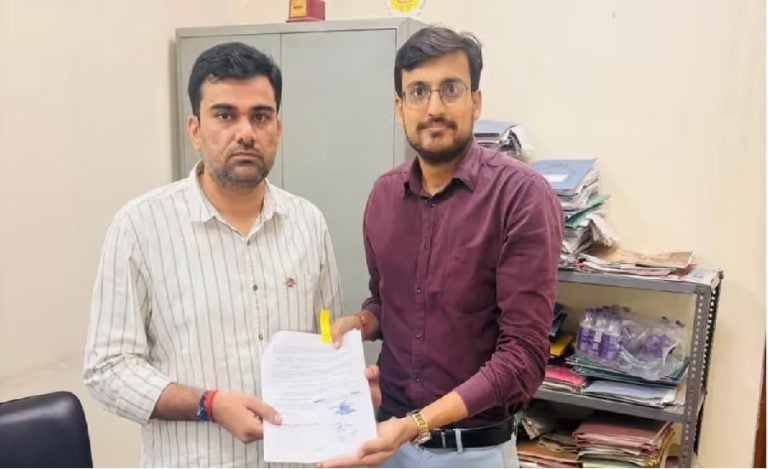
The organisation representing the officers has submitted an official letter to the Maharashtra government regarding the proposed contribution and the deposit of the salary amount into the relief fund.
The decision reflects an effort by senior administrative and police officials to extend financial support beyond their regular official responsibilities.
While the total amount expected to be collected through the salary contributions has not been specified, the initiative represents a collective response by senior officers to the agricultural distress affecting several parts of the state.
Read also: Maharashtra Govt Transfers 3 IAS Officers; Sanjay Khandare Appointed ACF, Forest Department
Maharashtra Government Declares 305 Talukas Drought-Affected
On October 14, 2026, Maharashtra’s Relief and Rehabilitation Department officially declared 305 talukas as drought-affected.
The declaration is significant because it establishes the administrative basis for extending specified relief measures to farmers and other eligible residents in the affected areas.
Drought conditions can have serious consequences for agricultural communities, particularly those dependent on seasonal rainfall, irrigation availability and crop production for their livelihoods.
Water shortages can affect agricultural operations, reduce crop yields, increase cultivation costs and place additional pressure on farmers already facing loan repayment obligations.
The state government’s declaration is intended to provide relief to affected farming households through financial and administrative concessions.
Farmers to Get Land Revenue Exemption and Crop Loan Restructuring
Following the drought declaration, the Maharashtra government has announced several concessions for farmers in the 305 affected talukas.
The measures are designed to reduce immediate financial pressure on agricultural households and provide relief from certain government dues and repayment obligations.
Key Relief Measures Announced by Maharashtra Government
- Complete land revenue exemption: Farmers in the declared drought-affected talukas will receive a full exemption from land revenue payments.
- Crop loan restructuring: Crop loans of affected farmers will be restructured to provide relief from existing repayment obligations.
- Suspension of agricultural loan recovery: Recovery of all types of agricultural loans has been immediately halted in the affected areas.
- Electricity bill concessions: Special concessions will be provided on existing electricity bills for agricultural pumps.
- Examination fee waiver: Students from drought-affected areas will receive exemptions from examination fees to reduce the financial burden on their families.
These measures are expected to provide some immediate financial relief to farming households, although their implementation and impact will depend on the applicable government guidelines and administrative procedures.
Electricity Bill Relief to Reduce Burden on Farmers
Among the measures announced by the government, concessions on electricity bills for agricultural pumps are particularly relevant to farmers dependent on irrigation.
Agricultural pumps are widely used for drawing water for irrigation, and electricity expenses can form an important component of farming costs.
During drought conditions, farmers may face additional financial pressure as water availability declines and irrigation requirements become more difficult to manage.
The proposed concessions on existing electricity bills are intended to ease this burden for eligible farmers in the drought-affected talukas.
The precise nature and extent of the concessions will depend on the detailed implementation provisions issued by the authorities.
Examination Fee Waiver for Students from Drought-Hit Areas
The Maharashtra government has also extended relief to students belonging to families in drought-affected areas.
Under the announced measures, examination fees for eligible students from the 305 drought-affected talukas will be waived.
The decision recognises that agricultural distress can affect not only farmers’ livelihoods but also the educational expenses of their children.
When crop production and household income are affected by drought, families may struggle to meet expenses related to education, including examination fees.
The waiver is intended to ensure that students do not face an additional financial burden because of the economic difficulties experienced by their families.
MLA Shekhar Nikam Donates One Month’s Basic Salary
The drought relief initiative has also received support from elected representatives.
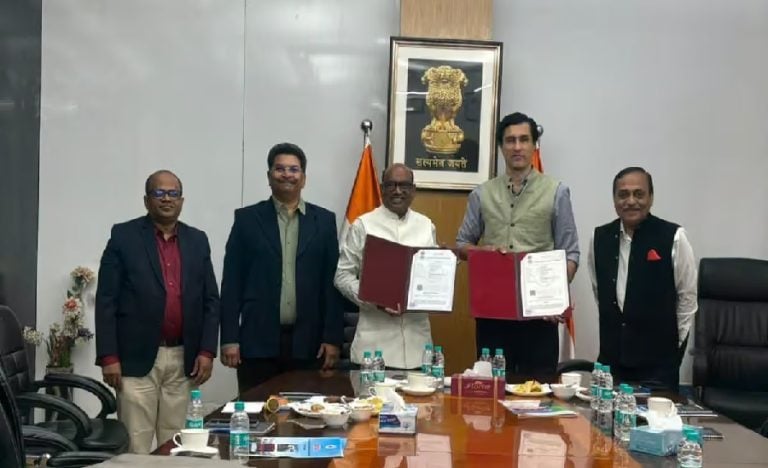
Shekhar Nikam, MLA from the Chiplun-Sangameshwar Assembly constituency, has contributed his one month’s basic salary towards relief efforts.
He handed over a cheque for the amount to Maharashtra Deputy Chief Minister Sunetra Pawar.
The contribution comes as public representatives and government officials respond to the difficulties faced by farmers in drought-affected areas.
Nikam’s decision to contribute his salary adds to the broader relief effort, alongside the proposed one-day salary donation by senior IAS and IPS officers.
MLA Rohit Pawar Demands ₹50,000 Per Hectare for Farmers
While the state government has announced administrative and financial concessions, MLA Rohit Pawar has called for more substantial direct financial assistance to drought-affected families.
He has urged the Maharashtra government to provide immediate monetary support to farmers and agricultural labourers facing losses and financial hardship.
Pawar has demanded two specific forms of assistance:
- ₹50,000 per hectare as direct financial assistance to drought-affected farmers.
- ₹25,000 in financial assistance to agricultural labourers affected by the drought.
His demand focuses on providing immediate financial support rather than relying only on concessions such as loan restructuring and revenue exemptions.
Agricultural labourers, who depend on farming activities for employment, can also face serious financial difficulties when drought reduces cultivation and related work opportunities.
The demand for separate assistance to agricultural labourers highlights the wider economic consequences of drought beyond landowning farmers.
The proposed financial assistance remains a demand raised by the legislator and should not be confused with the relief measures already announced by the state government.
Drought Relief Efforts Bring Together Bureaucrats and Public Representatives
The latest developments reflect multiple efforts to address agricultural distress in Maharashtra.
While the state government has announced relief measures for 305 drought-affected talukas, senior IAS and IPS officers have pledged personal financial contributions through the Chief Minister’s Relief Fund.
At the same time, elected representatives have begun making contributions and pressing for additional assistance to affected communities.
The proposed salary donation by senior bureaucrats is a voluntary initiative separate from the government’s official relief package.
The government’s measures are primarily aimed at reducing financial liabilities through exemptions, concessions and restructuring, while demands for direct compensation seek to provide immediate monetary assistance to affected households.
The effectiveness of the relief effort will depend on the timely implementation of announced concessions, the eligibility criteria applied and the extent to which assistance reaches affected farmers and agricultural workers.
With 305 talukas officially declared drought-affected, the focus will now be on implementing the relief measures and addressing the immediate economic challenges faced by farming families across the state.