New Delhi: The National SC-ST Hub Scheme (NSSH) under the Ministry of Micro, Small and Medium Enterprises (MSME) is playing a pivotal role in strengthening the competitiveness of Scheduled Caste (SC) and Scheduled Tribe (ST) entrepreneurs by promoting technology upgradation, improving business capabilities and facilitating greater participation in government procurement.
Through initiatives such as the Special Credit Linked Capital Subsidy Scheme (SCLCSS) and the Business Acceleration Programme (BAP), the scheme is enabling enterprises to modernise operations, overcome financial and technological constraints, improve compliance standards and access larger institutional markets.
According to the Ministry, the initiative is helping create reliable supply chains, generate employment and enhance the participation of SC/ST entrepreneurs in India’s expanding industrial ecosystem.
Technology Upgradation Helping Enterprises Scale Up
One of the key pillars of the National SC-ST Hub is providing financial assistance for technology upgradation, allowing enterprises to improve productivity and compete in high-value markets.
The Ministry highlighted several success stories from different sectors that demonstrate the impact of the scheme.
Success Stories
- Varun Enterprises (Punjab)
- Raju Thangavelu (Tamil Nadu)
- B. Ortho International Pvt. Ltd. (Jharkhand)
Read also: NSIC and QCI Sign MoU to Empower MSMEs with Quality Certification, Digital Growth and Market Access
Punjab’s Varun Enterprises Expands Engineering Capabilities
Varun Enterprises, led by Hukum Chand in Punjab, has emerged as a strong player in the engineering and manufacturing sector by supplying precision industrial products to institutional and government buyers.
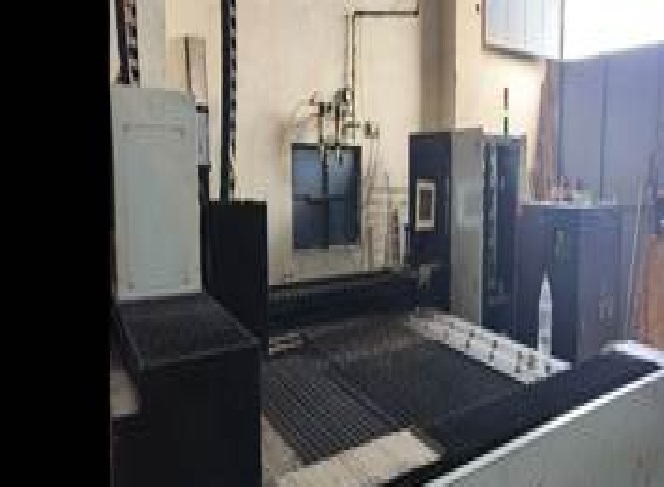
As business expanded, the company required advanced manufacturing equipment to improve productivity and maintain quality standards. During 2021-22, the enterprise received ₹15.67 lakh under the Special Credit Linked Capital Subsidy Scheme (SCLCSS) through the National SC-ST Hub Office in Ludhiana.
The financial support enabled the installation of modern equipment, including:
- Fibre laser cutting system
- CNC hydraulic press brake
- Air compressor
- UPS systems
- Supporting electrical infrastructure
The upgraded production facilities significantly improved manufacturing efficiency, precision and operational reliability.
The modernisation also enabled the company to secure a ₹95.99 lakh purchase order from the Modern Coach Factory (MCF), Rae Bareli, for supplying connection boxes used in railway coaches, establishing the enterprise as a credible supplier for Indian Railways.
Tamil Nadu Entrepreneur Expands Petroleum Logistics Business
Another success story highlighted by the Ministry is that of Raju Thangavelu from Tiruvallur, Tamil Nadu, who operates a petroleum logistics enterprise specialising in bulk fuel transportation.
As demand increased, the business required expansion of its fleet while ensuring compliance with stringent safety standards prescribed by oil marketing companies.
With financial assistance of ₹25 lakh under SCLCSS, the enterprise upgraded its transportation infrastructure and installed safety-compliant systems.
The improved fleet capacity and operational efficiency enabled the company to secure a major transportation contract from Bharat Petroleum Corporation Limited (BPCL) in April 2026, significantly expanding its presence in government procurement.
Jharkhand’s Medical Manufacturing Enterprise Doubles Turnover
The Ministry also showcased the transformation of B. Ortho International Pvt. Ltd. (BOI) based in Ranchi, Jharkhand, led by Rahul and Divya, which manufactures medical and orthopaedic products.
The enterprise received integrated support under both:
- Special Credit Linked Capital Subsidy Scheme (SCLCSS)
- Business Acceleration Programme (BAP)
While the capital subsidy helped install advanced production machinery, the Business Acceleration Programme provided strategic mentorship, business guidance and market linkages.
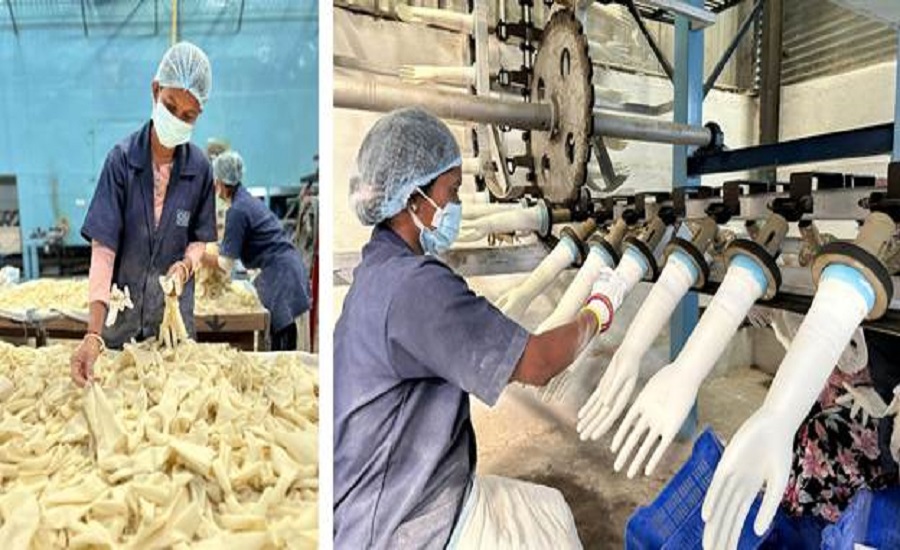
As a result, BOI now manufactures approximately 50,000 pairs of latex surgical gloves every day.
The enterprise also doubled its annual turnover from ₹15 lakh to ₹30 lakh, while generating local employment with nearly 60% women participation in its workforce.
Integrated Support Creating Inclusive Industrial Growth
The Ministry noted that the experiences of Varun Enterprises, Raju Thangavelu and BOI demonstrate how integrated policy support can transform small enterprises into competitive businesses capable of participating in large institutional and government procurement.
By combining technology upgradation, financial support, business mentoring and market access, the National SC-ST Hub is helping entrepreneurs build sustainable enterprises while contributing to inclusive economic development.
The scheme is also strengthening supply chains, encouraging employment generation and enabling SC/ST entrepreneurs to become active participants in India’s manufacturing and industrial ecosystem.
Supporting the Vision of Atmanirbhar Bharat
The Ministry of MSME said the National SC-ST Hub will continue to focus on empowering entrepreneurs through technology adoption, capacity building, business acceleration and stronger market linkages.
The success stories from Punjab, Tamil Nadu and Jharkhand illustrate how targeted policy interventions are enabling entrepreneurs to expand operations, improve competitiveness and contribute to the vision of Atmanirbhar Bharatthrough inclusive industrial growth.
For more information on the scheme, interested entrepreneurs can visit the official National SC-ST Hub portal.