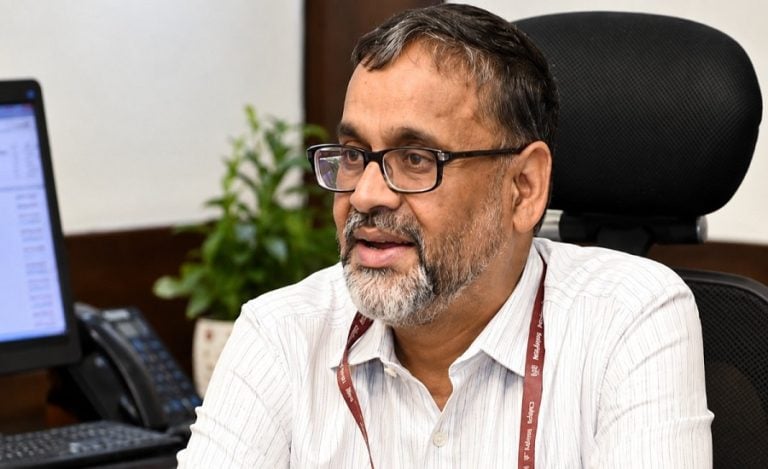
New Delhi: In a major move to strengthen the administrative framework of the National Testing Agency (NTA), the government has appointed four new joint secretaries since May 16. The appointments include Anshuman Sharma, Anuja Bapat and Ruchita Vij, as part of a broader effort to reinforce the agency’s institutional capacity.
The leadership expansion comes amid efforts to reform the NTA, which is responsible for conducting several major entrance and eligibility examinations in India. Strengthening its administrative structure has emerged as an important priority, particularly in the context of concerns about examination management, transparency and public confidence.
Alongside the appointments, the government has sanctioned 16 new administrative posts for the agency. The measures are intended to strengthen its permanent workforce and reduce its dependence on temporary staffing arrangements.
Radhakrishnan Committee Recommendations Drive Staffing Reforms
The ongoing restructuring aligns with the recommendations of the committee headed by former Indian Space Research Organisation (ISRO) chairman Dr. K. Radhakrishnan, which submitted its report in October 2024.
The committee examined ways to improve the functioning of the NTA, including its examination systems, governance arrangements and administrative capacity. Strengthening the agency’s permanent manpower was among the key areas identified for improvement.
The underlying objective was to establish a more robust institutional structure capable of supporting the NTA’s extensive examination responsibilities. A dedicated workforce would help build continuity in administration, clarify accountability and improve the agency’s ability to manage complex examination-related operations.
The government’s decision to sanction 16 additional administrative posts reflects this focus on strengthening the agency’s organisational capacity.
Four Joint Secretaries Appointed to Strengthen Leadership
The appointment of four new joint secretaries since May 16 represents a significant expansion of the NTA’s senior administrative leadership.
Anshuman Sharma, Anuja Bapat and Ruchita Vij are among the officers named in the appointments. The fourth appointee was not identified in the information provided.
The expansion is part of the broader administrative strengthening exercise intended to equip the agency with the leadership and staffing capacity required to carry out its responsibilities more effectively.
NTA to Build a Stronger Permanent Workforce
A key element of the reform effort is the shift towards a dedicated, permanent workforce rather than relying heavily on temporary staffing arrangements.
For an agency that manages examinations involving large numbers of candidates across the country, institutional continuity and administrative coordination are important to the smooth execution of its responsibilities.
A stronger permanent establishment could help the NTA develop and retain institutional expertise, improve coordination across examination processes and establish clearer lines of responsibility. It is also expected to support more consistent administrative practices and strengthen internal accountability.
However, the impact of the restructuring will depend on how the new positions are filled, how responsibilities are allocated and how effectively the expanded workforce is integrated into the agency’s operations.
Transparency and Public Trust Remain Central to NTA Reform
The NTA plays a significant role in India’s examination ecosystem by conducting major entrance and eligibility tests. Its operational effectiveness has implications for students, educational institutions and recruitment-related processes across the country.
The current restructuring seeks to strengthen the administrative foundations needed to manage these responsibilities. By expanding senior leadership and sanctioning additional administrative posts, the government is pursuing an institutional approach to improving capacity, transparency and accountability.
The broader objective is to create a more stable and capable organisation that can manage examinations efficiently while strengthening public confidence in its systems.
The appointment of four joint secretaries and sanctioning of 16 new administrative posts mark steps in this continuing overhaul. The effectiveness of the reforms will ultimately be assessed by the NTA’s ability to translate the strengthened administrative structure into more reliable examination management and greater public trust.