Chandigarh: The Punjab Cabinet has approved the Ranjitgarh Development Authority (RDA) Bill, 2026, paving the way for planned and sustainable development of the Ranjit Sagar Dam and Shahpur Kandi Dam areas.
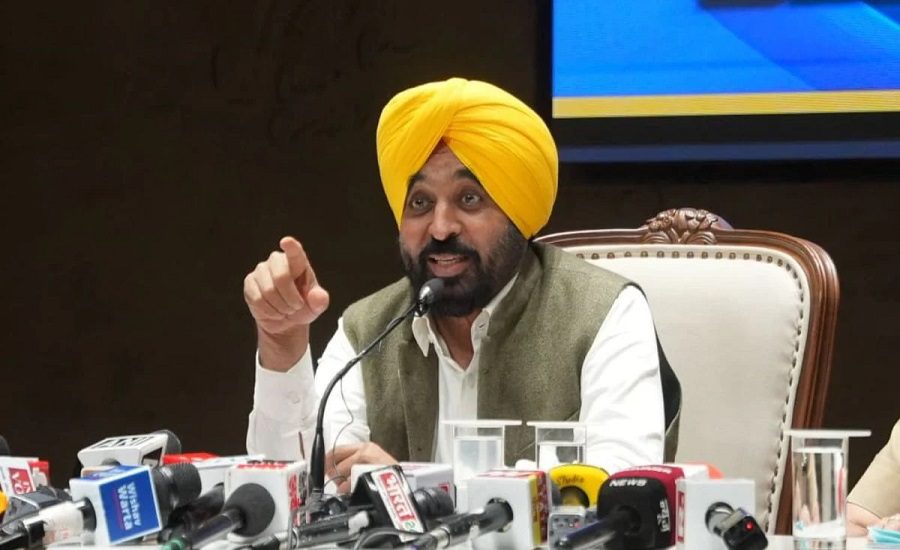
The decision was taken at a Cabinet meeting chaired by Chief Minister Bhagwant Mann. The proposed authority will focus on integrated development, land management, project implementation and destination governance, with a particular emphasis on eco-tourism.
The Ranjitgarh Development Authority will function as a statutory body under the administrative control of the Department of Tourism and Cultural Affairs. It will have administrative, financial and regulatory powers to coordinate development across the two dam regions.
The move could give Punjab a dedicated institutional framework to develop the tourism potential of the Ranjit Sagar and Shahpur Kandi areas while maintaining a focus on sustainability.
CM Bhagwant Mann to Head the Authority
Chief Minister Bhagwant Mann will serve as the Chairman of the Ranjitgarh Development Authority, while the Minister of Tourism and Cultural Affairs will be its Vice-Chairman.
An Executive Committee headed by the Chief Secretary will oversee the authority’s day-to-day functioning and coordination between different government departments.
This structure is intended to bring multiple aspects of development under a coordinated framework instead of handling projects and tourism-related activities separately across departments.
The authority’s responsibilities will include land management, project execution, destination planning and regulatory coordination. This could help create a more organised approach to developing tourism infrastructure in the region.
Read Also: Punjab’s ₹750 Crore Village Push: 3,763 SC-Dominated Villages to Get Development Funds
Ranjit Sagar and Shahpur Kandi Areas in Focus
The two dam areas have significant potential for nature-based tourism because of their water bodies, surrounding landscapes and location in the wider Pathankot region.
The proposed authority will aim to turn this potential into a more structured tourism destination while ensuring that development remains sustainable.
A dedicated authority could also help coordinate infrastructure and tourism projects, improve destination management and create better conditions for private and public investment in tourism-related facilities.
For local communities, increased tourist activity could generate opportunities across accommodation, transport, food services, guiding and other small businesses.
The focus on eco-tourism also indicates that the government intends to combine tourism growth with environmental considerations rather than pursuing unplanned construction.
Nursing College Tutor Posts to Be Filled Through Promotion
The Punjab Cabinet also approved an amendment to the Punjab Nursing Education Service Rules (Group B), 2016.
Under the amended provisions, tutor posts in government nursing colleges in Patiala and Amritsar will be filled through promotion.
Eligible candidates will include regular Staff Nurses and Nursing Sisters who have obtained an MSc in Nursing in the relevant speciality. Preference will be given to candidates with one year of teaching experience in nursing education.
The change is expected to create a promotion pathway for experienced nursing professionals while helping government nursing colleges meet their teaching requirements.
By opening tutor positions through promotion, the state can also make use of the experience and specialised qualifications already available within its nursing workforce.
PICTES Contract Staff to Get Regularisation
In another employee-focused decision, the Cabinet gave its approval for the regularisation of non-teaching staff working on a contractual basis under the Punjab Information and Communication Technology Education Society (PICTES).
Employees covered by the decision will receive the benefits of regularisation under PICTES in the prescribed pay scales.
The move provides greater employment security to eligible contractual non-teaching employees and brings their service conditions within the prescribed framework.
For the state’s education and technology-support system, regularisation can also provide greater workforce stability and continuity.
New Driver Posts Created in Punjab CEO Office
The Cabinet also approved the creation of new driver posts in the office of the Chief Electoral Officer, Punjab.
The new positions will be created by surrendering existing posts, including 19 permanent peon posts and one permanent post of Moharrir. The restructuring is aimed at streamlining the functioning of the Chief Electoral Officer’s office.
The decision reflects an administrative effort to align available manpower with the operational requirements of the office.
A Broader Push for Tourism and Governance
The Cabinet decisions bring together tourism development, employee welfare and administrative restructuring.
The Ranjitgarh Development Authority is the most significant development from a tourism perspective, as it provides Punjab with a dedicated mechanism to plan the future of the Ranjit Sagar and Shahpur Kandi dam areas.
If implemented effectively, the authority could help transform the region into a more organised eco-tourism destination while supporting local businesses and employment.
At the same time, the nursing promotion rules, PICTES regularisation and restructuring of the Chief Electoral Officer’s office show the government’s focus on improving internal systems and service delivery.
The Ranjitgarh initiative, in particular, could give Punjab an opportunity to turn its water and natural landscapes into sustainable tourism assets, creating a balance between economic development, local participation and environmental protection.
Read Also: Punjab Govt Hands 523 Appointment Letters, Expands Jobs, Healthcare & Employee Welfare Reforms