Chandigarh/Bhatinda: The Punjab Government has constituted a three-member panel of women IAS officers to coordinate with the family of slain anti-drug activist Parvinder Singh Jhota and the action committee demanding justice in the case. However, the first round of talks, held in Mansa on Monday, October 19, remained inconclusive, with the family and action committee insisting on their key demands.
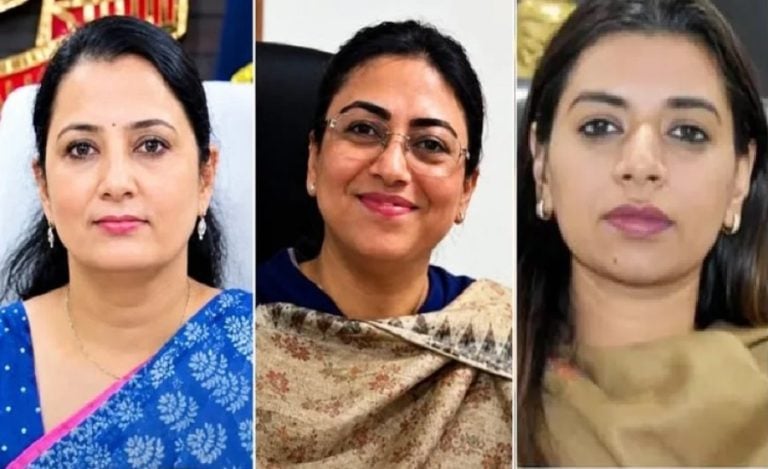
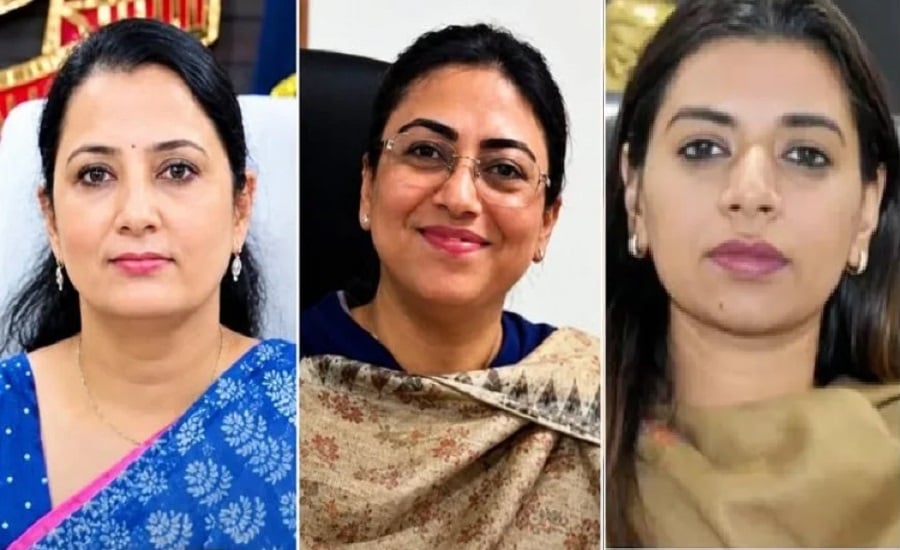
The panel comprises Faridkot Divisional Commissioner Kanwal Preet Brar, former Mansa Deputy Commissioner Apneet Kaur Riyait and current Mansa Deputy Commissioner Navjot Kaur. Two senior police officers, Bathinda Range DIG Harjeet Singh and Mansa SSP Vaibhav Chaudhary, also attended the meeting.
The discussions took place amid continuing protests and the family’s refusal to perform Jhota’s last rites. The action committee had demanded a Central Bureau of Investigation (CBI) probe, the resignation of the Chief Minister and the Director General of Police, and action against those allegedly defaming the deceased and his family.
On October 20, the Punjab Government referred the murder case to the CBI, addressing one of the family’s principal demands ahead of Union Home Minister Amit Shah’s proposed visit to Mansa. The development followed mounting public pressure over the killing.
Talks With Family and Action Committee Remain Inconclusive
The meeting was held at the Mansa Zila Parishad office and was attended by Jhota’s father, Bhim Singh, his widow, Manpreet Kaur, and action committee members.
After the meeting, Apneet Kaur Riyait said the panel had listened to the family’s concerns and demands and would place them before the state government for consideration. Another round of discussions could take place within a few days.
Riyait said the meeting lasted more than an hour and that the panel had paid particular attention to the concerns raised by Jhota’s wife.
However, action committee members Munish Babby, Gurlabh Singh Mahal and Manik Goyal maintained that accepting only secondary demands would not be sufficient. They reiterated their demand for accountability and a thorough investigation into the killing.
The committee also sought action against people allegedly making defamatory statements about Jhota and his family.
Read also: Mohali Land Case: ED Re-Examines Punjab IAS Officer Kanwal Preet Brar | Know More
Punjab Minister Appeals to Family to Perform Last Rites
Punjab minister Aman Arora appealed to Jhota’s family to ensure that his mortal remains were treated with dignity and urged them to engage in dialogue with the government.
Calling the incident deeply unfortunate, Arora said the state government was prepared to consider the family’s demands. He also appealed to political parties not to politicise the tragedy.
The minister argued that delaying the post-mortem and cremation would not resolve the dispute and called for collective discussions on preventing similar incidents in the future.
The family, however, had maintained that its central demands needed to be addressed before the last rites could be performed. The subsequent decision to refer the case to the CBI marked a significant development in the standoff.
What Happened to Anti-Drug Activist Parvinder Singh Jhota?
Parvinder Singh Jhota, an anti-drug activist from Mansa district, was shot dead on October 13, 2026. The killing triggered widespread outrage and protests, with his family alleging that the circumstances required an independent investigation.
The alleged assailant, identified in media reports as medical store owner Ashwani Kumar, was arrested in Rajasthan. The incident also led to demands for action against officials over alleged lapses in handling the case.
Jhota’s family and supporters subsequently demanded a CBI investigation, arguing that the case required a probe independent of the state police. The controversy intensified as the family refused to perform his last rites and the action committee called for wider accountability.
The case has since become a major political issue in Punjab, drawing criticism from opposition parties and prompting calls for a detailed examination of the circumstances surrounding the killing.
Who Are the Three Women IAS Officers on the Panel?
1. Kanwal Preet Brar, IAS
Kanwal Preet Brar is a 2007-batch Punjab cadre IAS officer who entered the service through promotion from the State Civil Service. She holds postgraduate qualifications in Economics, including an M.Phil.
Over her career, Brar has held administrative responsibilities in municipal governance, urban development and state government departments. Her assignments have included serving as Commissioner of the Ludhiana Municipal Corporation and in senior roles connected with Punjab’s tourism and cultural affairs administration.
At the time of the meeting, she was serving as Faridkot Divisional Commissioner. Her role on the panel places her among the senior administrative officers coordinating the government’s engagement with the bereaved family and action committee.
2. Apneet Kaur Riyait, IAS
Apneet Kaur Riyait is a 2011-batch Punjab cadre IAS officer recruited through the UPSC Civil Services Examination. Her administrative career has included a lengthy tenure as Deputy Commissioner in Ludhiana, along with responsibilities in the state’s Personnel and Housing and Urban Development departments.
She also served as Deputy Commissioner of Mansa from July 2018 to February 2020, giving her previous experience in the district where the present controversy has unfolded.
Riyait spoke to the media after Monday’s meeting, saying the panel had heard the family’s demands and would convey them to the state government. She indicated that further discussions could follow after the government considered the issues raised.
3. Navjot Kaur, IAS
Navjot Kaur is serving as Deputy Commissioner of Mansa, according to the district administration’s official website.
As the district’s senior civil administrator, the Deputy Commissioner’s office is responsible for coordinating government departments and addressing administrative matters within Mansa. Her participation in the panel places the district administration directly in the process of engaging with Jhota’s family and the action committee.
While publicly available information confirms her current role, detailed biographical information, including her IAS batch and earlier postings, should be verified against an official service record before publication.
CBI Probe Becomes a Key Development in the Case
The Punjab Government’s decision on October 20 to refer the case to the CBI came amid continuing pressure from the family and shortly before Amit Shah’s proposed visit to Mansa.
The move addresses one of the principal demands raised by Jhota’s family and supporters. However, the wider dispute has also involved demands for the resignation of senior political and police officials and action against those allegedly defaming the deceased.
The panel’s engagement with the family and the action committee forms part of the government’s effort to address the grievances surrounding the killing. Whether the remaining demands are resolved will depend on subsequent discussions and decisions by the state government.