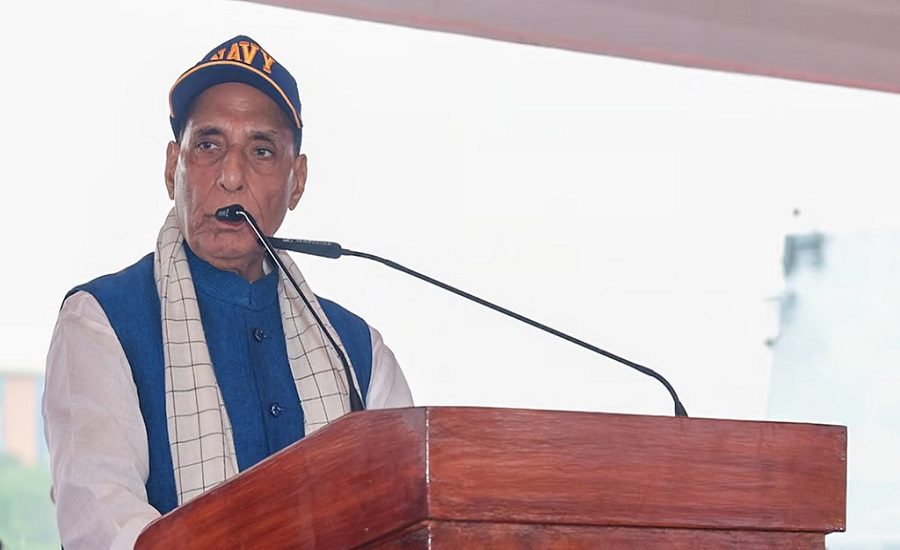
New Delhi: Defence Minister Rajnath Singh will inaugurate an event marking the delivery of the 2,000th aero-engine by Hindustan Aeronautics Limited (HAL), Koraput Division, in Odisha on October 6, 2026. The milestone highlights nearly six decades of HAL Koraput’s contribution to India’s aerospace and defence manufacturing capabilities and the operational readiness of the Armed Forces.
The event will also highlight the establishment of a second production line for Shakti engines, backed by an investment of ₹218 crore. The additional production capacity is expected to support the growing requirements of indigenous helicopter platforms, including the Dhruv Advanced Light Helicopter (ALH) and the Prachand Light Combat Helicopter (LCH).
The milestone reflects India’s continued efforts to strengthen domestic defence manufacturing and develop indigenous capabilities in strategically important technologies.
HAL Koraput Marks Major Aero-Engine Production Milestone
The delivery of the 2,000th aero-engine marks a significant achievement for HAL’s Koraput Division, which has contributed to India’s aerospace and defence sector for nearly six decades.
The division’s work supports the country’s defence manufacturing ecosystem and the operational requirements of the Indian Armed Forces.
The milestone also highlights the importance of developing domestic capabilities in aero-engine manufacturing, a technologically complex area that is critical to the aviation and defence industries.
Read also: HAL Signs Agreement to Acquire Remaining 50% Stake in HATSOFF From CAE Canada
HAL to Establish Second Production Line for Shakti Engines
The event will highlight the establishment of a second production line for Shakti engines, involving an investment of ₹218 crore.
The additional production line is intended to strengthen manufacturing capacity to meet the growing requirements of indigenous helicopter programmes.
Key platforms expected to benefit from the expanded production capacity include:
- Dhruv Advanced Light Helicopter (ALH): An indigenous helicopter platform developed for multiple operational roles.
- Prachand Light Combat Helicopter (LCH): An indigenously developed combat helicopter designed for demanding operational environments.
The expansion is an important step towards supporting the requirements of India’s indigenous helicopter fleet and strengthening the domestic aerospace manufacturing ecosystem.
Indigenous Aero-Engine Capability Supports Defence Self-Reliance
The milestone underscores the Government of India’s vision of transforming the country from a buyer of defence equipment into a designer, developer and manufacturer of advanced defence systems.
Developing indigenous aero-engine capabilities is a key part of this objective because propulsion systems involve complex engineering and have strategic importance for defence preparedness.
Strengthening domestic manufacturing capacity can support the development of indigenous aircraft and helicopter platforms while contributing to the long-term growth of India’s aerospace and defence industry.
Odisha Chief Minister and Senior Defence Officials to Attend
Several senior government and defence sector representatives are expected to attend the milestone event at HAL’s Koraput Division.
The attendees will include:
- Rajnath Singh: Raksha Mantri (Defence Minister)
- Mohan Charan Majhi: Chief Minister of Odisha
- Sanjeev Kumar: Secretary, Department of Defence Production
- Ravi K: Chairman and Managing Director (CMD), Hindustan Aeronautics Limited
Their participation will mark the occasion and highlight the importance of indigenous aero-engine production to India’s defence manufacturing ambitions.
About Hindustan Aeronautics Limited (HAL)
Hindustan Aeronautics Limited (HAL) is a Government of India aerospace and defence public sector undertaking under the Ministry of Defence. The company is involved in the design, development, manufacture, repair and maintenance of aircraft, helicopters, aero-engines and related aerospace systems. HAL plays a significant role in supporting India’s defence aviation requirements and strengthening indigenous aerospace manufacturing capabilities.