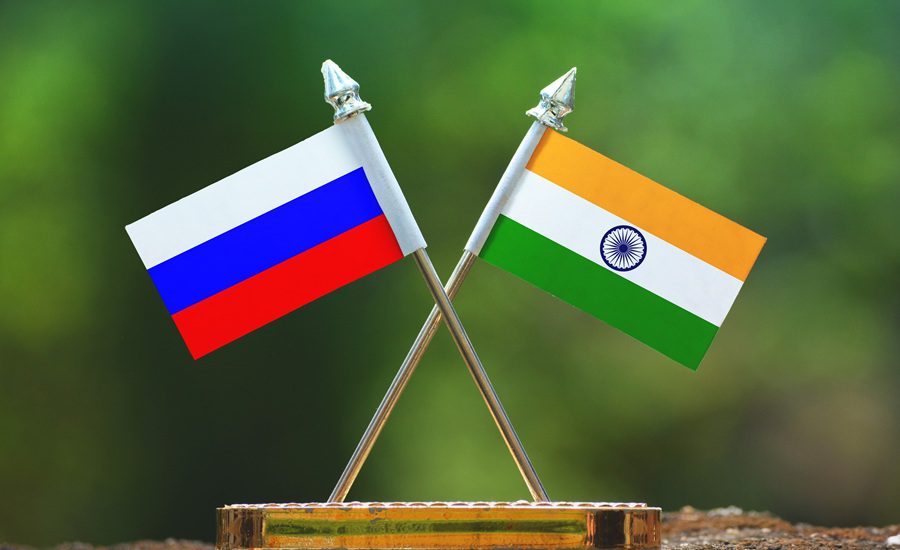
New Delhi: Russia is offering India a major opportunity to manufacture the Su-57E stealth fighter jet locally, with reported technology transfer and the potential production of around 100 aircraft.
The proposal aims to strengthen defence cooperation between the two countries while giving Russia a larger export market for its fifth-generation fighter. However, the reported offer also raises questions about Russia’s aircraft production capacity, Western sanctions, and India’s long-term defence plans.
New Delhi must weigh the possible technological benefits against its commitment to developing an indigenous fifth-generation fighter.
India Russia Su-57E Deal Latest Update
Russia is making a renewed effort to sell its Su-57E, the export version of its fifth-generation stealth fighter, to the Indian Air Force (IAF).
The reported proposal goes beyond the traditional purchase of military aircraft. It includes local manufacturing, extensive technology transfer, and possible cooperation between Russian companies and Indian defence manufacturers.
According to reports, Russia has proposed producing up to 100 Su-57E aircraft in India. Hindustan Aeronautics Limited (HAL), which manufactures the Su-30MKI under licence, could play a major role in the proposed arrangement. However, the reported production plan and the precise terms of technology transfer have not been confirmed as a final government-to-government agreement.
India Russia Su-57E Deal: Why Russia Is Offering Such Extensive Concessions
Russia Needs A Larger Production Base
One of the main reasons behind Russia’s renewed interest in India is the need to expand the market for the Su-57 programme.
Developing a fifth-generation fighter requires substantial investment in aircraft design, engines, radar systems, software, testing, and manufacturing facilities. Producing more aircraft can help spread these costs across a larger number of units.
India could provide a significant market if it agrees to purchase and manufacture the aircraft locally. A large Indian order could also help Russian manufacturers maintain production activity, improve economies of scale, and support the long-term development of the aircraft.
Russia Faces Production And Sanctions Challenges
Russia’s aerospace industry is under pressure from the continuing war in Ukraine and Western sanctions.
Restrictions on international trade and access to certain advanced components have complicated several areas of Russia’s industrial and defence supply chains. The country must also meet the requirements of its own armed forces.
The Su-57 programme has faced questions about production numbers and delivery schedules. Russia announced a contract in 2019 for 76 Su-57 fighters for its armed forces, with deliveries planned through 2027–28.
A substantial Indian order could provide additional demand for the aircraft and help support its manufacturing programme. However, the exact effect would depend on production capacity, component availability, contract terms, and delivery schedules.
India Offers A Valuable Defence Market
India is an important defence partner for Russia and has decades of experience operating Russian-designed aircraft.
The Indian Air Force already operates the Su-30MKI, while HAL has extensive experience in aircraft assembly, maintenance, and support.
This existing industrial base could make India an attractive partner for a possible Su-57E manufacturing programme. It could also reduce the need to establish an entirely new production system.
For Russia, the potential benefits extend beyond aircraft sales. A long-term partnership could include maintenance, spare parts, training, upgrades, and cooperation on selected technologies.
Key Details Of The Reported India Russia Su-57E Deal
The reported proposal includes several possible areas of cooperation between India and Russia.
- Local Production: Manufacturing up to 100 Su-57E fighters in India has been reported as a central part of the offer.
- Technology Transfer: Russia has promoted extensive technology sharing as a major selling point.
- Source-Code Access: Reports have discussed possible access to sensitive aircraft mission-system software, although the precise scope has not been officially confirmed.
- HAL Involvement: HAL’s Nashik facility, which supports Su-30MKI production, has been mentioned as a possible manufacturing location.
- Alternative Arrangements: Smaller production batches and cooperation involving two squadrons have also been reported as possible options.
These points describe reported proposals rather than a signed contract. The final scope of manufacturing, technology access, investment, and Indian control over the aircraft would depend on negotiations.
What Technology Transfer Could Mean For India
Building Domestic Aerospace Capabilities
A major attraction of the Su-57E proposal is the possibility of expanding India’s domestic aerospace industry. If the agreement includes meaningful technology transfer, Indian companies could gain experience in advanced aircraft manufacturing, systems integration, testing, and long-term maintenance.
Such capabilities could strengthen India’s wider aerospace supply chain and create opportunities for domestic suppliers. However, assembling a foreign-designed fighter does not automatically provide complete control over its technology. The value of the arrangement would depend on which technologies India can access, modify, manufacture, and maintain independently.
Access To Advanced Aircraft Systems
A fifth-generation fighter uses a combination of sensors, electronic systems, mission computers, communications equipment, and software.
The reported Russian offer has attracted attention because of claims about extensive technology transfer and possible access to sensitive software.
If confirmed in a final agreement, such access could help Indian engineers understand and maintain more of the aircraft’s systems. However, software access alone would not guarantee that India could independently redesign every component or develop a completely new fighter. Aircraft engines, stealth materials, radar technology, and weapons integration involve separate technical challenges.
Supporting The Make In India Programme
Local manufacturing could support India’s wider goal of increasing domestic defence production.
The benefits would depend on how much work takes place inside India, how many Indian suppliers participate, and whether locally manufactured components can be used without continued dependence on overseas sources. A strong agreement could create industrial opportunities. A deal based mainly on assembling imported components would deliver more limited benefits.
Why India May Still Reject The Su-57E Offer
Despite the reported concessions, India has several reasons to approach the proposal carefully.
India Is Prioritising Its Indigenous AMCA Fighter
India is developing the Advanced Medium Combat Aircraft (AMCA), an indigenous fifth-generation fighter programme.
The AMCA is strategically important because it aims to give India greater control over the design, development, and future improvement of its own combat aircraft.
Buying another foreign-designed fighter could provide additional capabilities, but it could also compete with the funding, engineering resources, and industrial capacity needed for the AMCA.
For this reason, India must consider whether the Su-57E would complement its domestic programme or divert resources from it.
The Air Force Has Other Modernisation Priorities
India is also working to improve its existing fighter fleet.
The Su-30MKI remains a major part of the Indian Air Force, and its modernisation is an important priority. India is also pursuing other combat aircraft programmes, including the Tejas family and the acquisition of additional Rafale fighters.
Each programme has different costs, capabilities, maintenance requirements, and delivery schedules.
Introducing the Su-57E would require India to evaluate training, infrastructure, spare parts, weapons compatibility, and long-term operating costs alongside the aircraft’s combat capabilities.
Cost And Technology Questions Remain
A reported offer of technology transfer may sound attractive, but the complete cost of operating a fifth-generation fighter can be substantial.
India would need to examine the aircraft’s purchase price, local manufacturing expenses, maintenance requirements, engine life, upgrade costs, and availability of spare parts.
It would also need to assess the aircraft’s stealth performance, sensors, electronic warfare capabilities, and suitability for Indian operational requirements.
These questions cannot be settled by technology-transfer promises alone. A detailed technical and financial evaluation would be necessary before any acquisition decision.
Read also: IAF GSAT-7C Satellite Deal: 5 Ways It Could Strengthen the Indian Air Force
FAQs
Russia could benefit from a large Indian order by expanding production, spreading development costs across more aircraft, and strengthening its fighter-export programme. Local manufacturing could also help establish a long-term defence partnership with India.
Russia has reportedly offered India local production of up to 100 Su-57E stealth fighters, extensive technology transfer, and possible access to sensitive aircraft-system software. The reported proposal has not been confirmed as a final signed agreement.
India has not established a confirmed purchase agreement for the Su-57E in the information reviewed here. Its indigenous AMCA programme and the modernisation of existing aircraft remain important priorities in its long-term combat aviation plans.