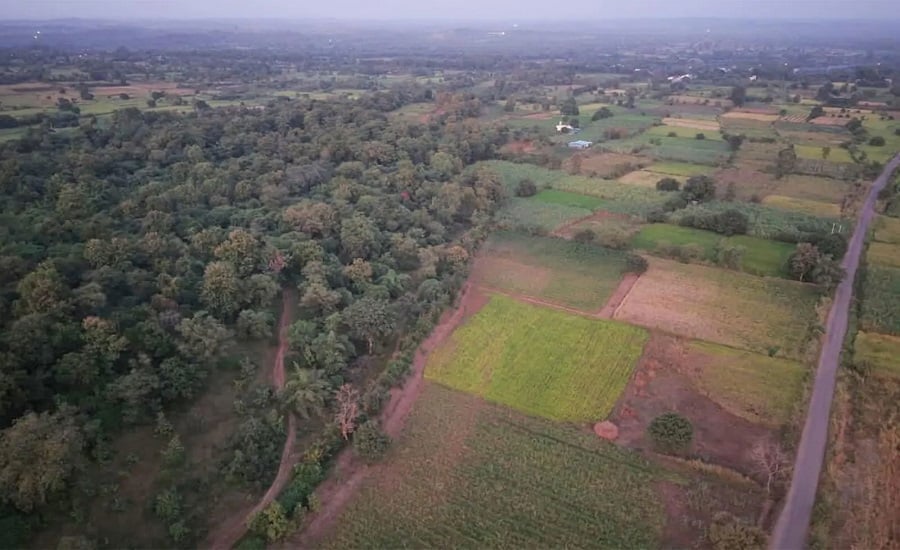
Gandhinagar: The tribal hamlet of Balethi in Mandvi taluka of Surat district, Gujarat, has been approved for the establishment of a Centre of Excellence for Joint Forest Management (JFM) training. The centre will be developed by restoring an old school building and will serve as a training hub to promote community-led forest conservation practices across the state.
The initiative recognises Balethi’s transformation from a village affected by severe forest degradation into a model of sustainable forest management. Over the next five years, nearly 7,500 members from 2,500 Joint Forest Management committees across Gujarat will receive practical training based on Balethi’s experience.
Under the guidance of Gujarat Forest and Environment Minister Arjun Modhwadia and Minister of State Pravin Mali, the centre aims to strengthen traditional knowledge, improve community participation and expand effective forest protection practices to other villages.
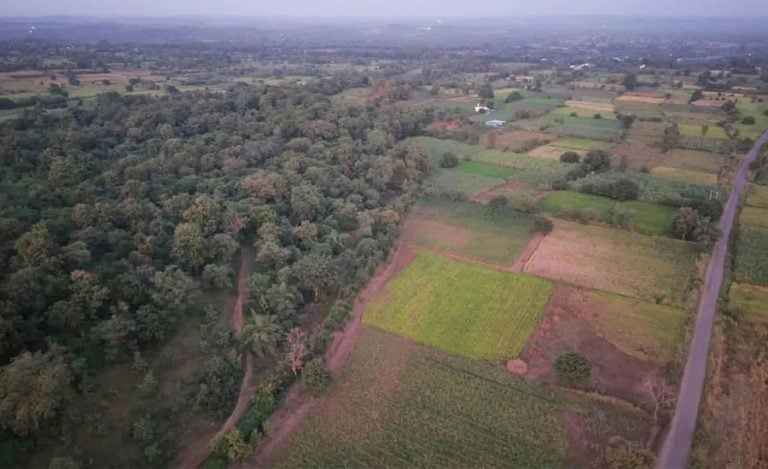
Balethi Village’s Journey from Forest Degradation to Conservation
Balethi’s forest conservation efforts began after severe droughts between 1986 and 1988 devastated the local forest cover. In response to the environmental crisis, village elders Jagudada and Kishor Chaudhary took the initiative to mobilise the community and protect the remaining forests.
Over time, the village developed a community-based forest management system that combined collective responsibility, protection of natural resources and the equitable sharing of forest produce.
Balethi’s experience demonstrates how local leadership and community participation can help restore forest resources while supporting rural livelihoods.
Read also: Gujarat Plans Bet Dwarka Spiritual Corridor, Begins Land Acquisition for Temple Redevelopment
Centre of Excellence to Train 7,500 JFM Committee Members
The proposed Centre of Excellence will formalise and expand Balethi’s indigenous forest management practices. It will provide practical training to members of Joint Forest Management committees from different parts of Gujarat.
The five-year training programme aims to cover:
- Nearly 7,500 participants from Joint Forest Management committees.
- Around 2,500 JFM committees out of Gujarat’s total 3,414 committees.
- Practical training based on Balethi’s forest conservation model.
- Knowledge sharing by experienced villagers who have contributed to the village’s conservation efforts.
The initiative is expected to help other communities adopt locally suitable forest protection methods and strengthen the role of village institutions in sustainable natural resource management.
How Balethi’s Community-Based Forest Management Model Works
One of the key features of Balethi’s model is the involvement of the entire village in forest protection. The community has established 15 forest patrolling teams, with participation from every household to monitor and safeguard forest areas.
The village also follows a system for the equitable distribution of forest produce, including grass, timber and bamboo, among its members.
This approach links forest conservation with community welfare by ensuring that residents have a shared responsibility for protecting forests and a fair stake in the benefits generated from them.
Biogas Plants and Check Dams Help Reduce Pressure on Forests
Balethi has also adopted measures to reduce dependence on forest resources and improve village infrastructure.
Key initiatives include:
- 162 biogas plants to provide an alternative source of energy and reduce dependence on traditional forest-based fuel.
- Four check dams to support water conservation and improve local water availability.
- Infrastructure development to improve living conditions and strengthen rural livelihoods.
These measures complement the village’s forest protection efforts by addressing some of the basic needs that can contribute to pressure on natural resources.
Cooperative Society Manages 229 Hectares of Forest Land
Balethi’s forest conservation initiative is managed through the Forest Regeneration and Village Development Cooperative Society Ltd.
The cooperative holds a Certificate of Rights covering 229 hectares of forest land. It plays a central role in organising community participation and supporting the village’s forest management activities.
The cooperative-based approach provides an institutional framework for collective forest protection and the management of resources for the benefit of the community.
Balethi Received the Indira Priyadarshini Vrikshamitra Award in 1998
Balethi’s forest conservation work received national recognition when the village was awarded the Indira Priyadarshini Vrikshamitra Award in 1998 in New Delhi.
The award was presented by the then Union Minister of Forests and included a cash prize of ₹50,000. The recognition highlighted the village’s efforts to protect and regenerate forest resources through community participation.
The proposed Centre of Excellence builds on this legacy and seeks to share Balethi’s experience with forest management committees across Gujarat.
Forest Conservation Generates Economic Benefits for Balethi
Balethi’s conservation efforts have also delivered measurable benefits for local livelihoods and the village economy.
According to the information provided, the key outcomes include:
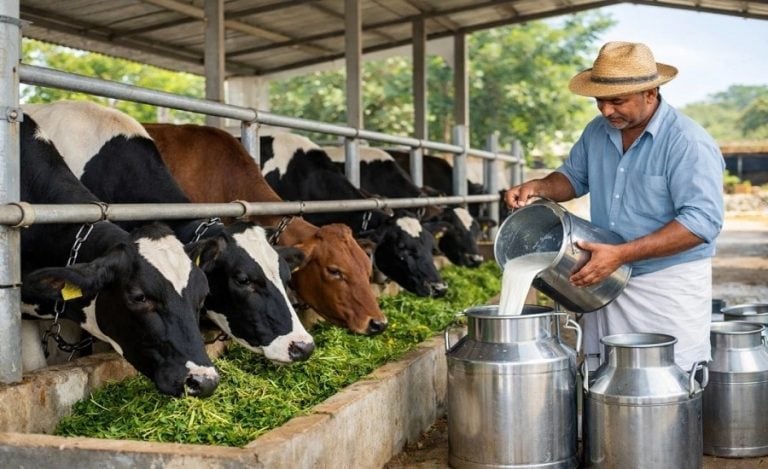
- Milk production: Increased to approximately 12,000–13,000 litres per month.
- Fodder production: Increased sevenfold, improving the availability of animal feed.
- Bamboo sales: Generated more than ₹17.7 lakh in revenue.
- Village infrastructure: The Forest Department invested over ₹59.4 lakh in development works.
The infrastructure investment includes drinking water pipelines, roads and sewing classes. These facilities have supported village development alongside environmental conservation.
The growth in fodder availability and milk production also illustrates how improved natural resource management can support livestock-based livelihoods and rural economic activity.
More Than 65 Villages Inspired by Balethi’s Forest Conservation Model
Balethi’s success has encouraged other communities in Mandvi taluka to begin their own forest protection initiatives. More than 65 villages, including Amarkui and Vankal, have initiated efforts inspired by the Balethi model.
This expansion reflects the potential of community-led conservation to spread beyond a single village when local experience is shared and adapted to other settings.
The new Centre of Excellence is expected to strengthen this process by providing structured training and enabling JFM committee members to learn directly from Balethi’s conservation practices.
Read also: Gujarat Transfers ₹1,100 Crore to 14,853 Industries, Removes Bank Loan for MSME Incentives