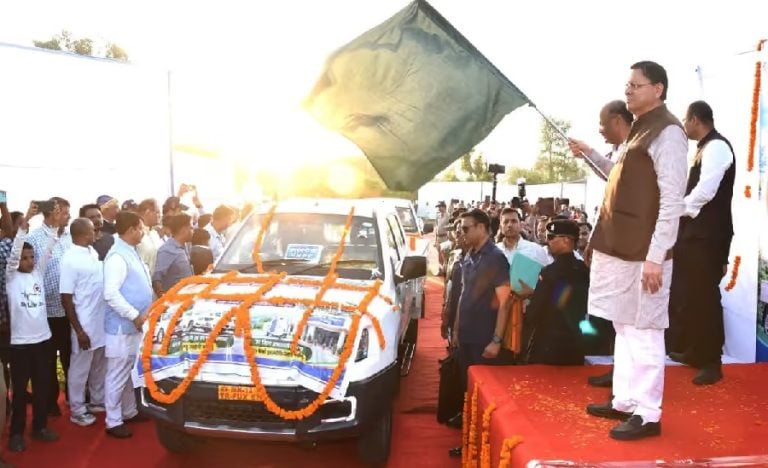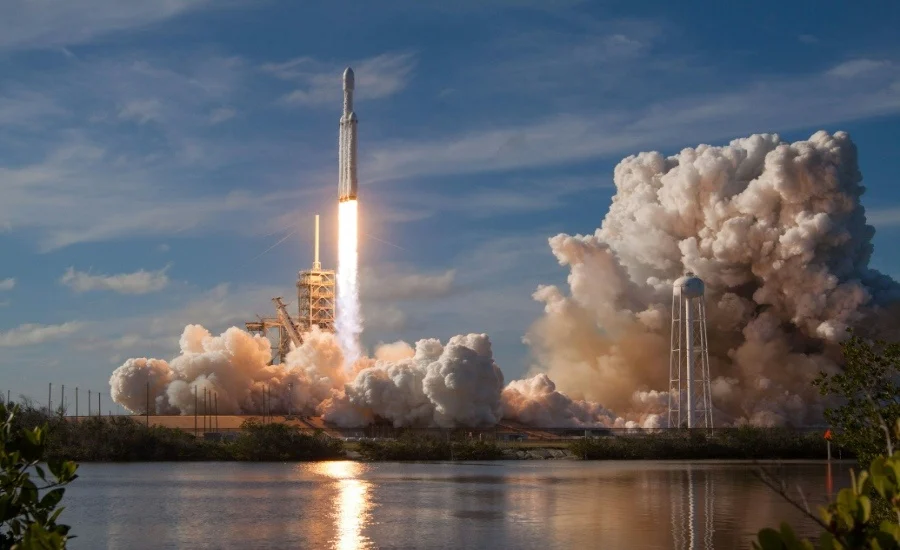
New Delhi: The Kalpana Mission has been launched by Talisha Aerospace Research Organisation as a major step toward developing reusable rocket technology in India. The mission focuses on advanced hybrid propulsion, AI-powered autonomous landing systems, and cost-effective space access. According to information released by TALISHA Space, the Kalpana Series aims to improve reusability, payload capacity, and sustainable space exploration between 2025 and 2028.
What Is The Kalpana Mission
The Kalpana Mission is a reusable rocket development program designed to make space missions more affordable and efficient. The project includes three advanced rockets—Kalpana-1, Kalpana-2, and Kalpana-3. Each version introduces improvements in propulsion systems, payload capabilities, and recovery technologies.
Read also: Former ISRO Chief S Somanath Joins Agnikul Cosmos Ahead of Mission 02 Reusable Rocket Test
Why Reusable Rockets Are Important
Traditional rockets are usually discarded after a single launch. Reusable rockets can return safely and be used again, reducing mission costs and increasing launch frequency. This approach has transformed the global space industry.
Better Sustainability
Reusable launch systems help reduce material waste and improve resource efficiency. They also support environmentally responsible space operations by minimizing the need for new hardware for every mission.
Key Features Of The Kalpana Series
One of the most important features of the Kalpana Mission is its AI-driven landing technology. The rockets are being designed to perform autonomous recovery operations on land, water, and sea beaches, improving reusability and operational safety.
Hybrid Propulsion Technology
The Kalpana Series combines advanced propulsion systems to improve performance and efficiency. This technology is expected to provide better control, reliability, and mission flexibility for future launches.
Support For Scientific Payloads
The rockets are being developed to carry scientific experiments, CubeSats, research instruments, and technology demonstration payloads. This capability could help universities, startups, and research organizations access affordable launch services.
Kalpana-1: The First Step
Kalpana-1 is a two-stage solid rocket designed to reach altitudes of around 30 kilometers. It features a parachute-based recovery system that allows safe return and reusability after flight.
Scientific Applications
The rocket is intended for atmospheric research, scientific experiments, payload testing, and educational missions. Its reusable design aims to reduce operational costs for future users.
Kalpana-2: Advanced Hybrid Rocket
Kalpana-2 is a three-stage hybrid rocket capable of carrying up to five payloads with a total capacity of 20 kilograms. The vehicle is designed for scientific research, technology validation, and commercial applications.
Land And Water Recovery
The rocket integrates AI-assisted landing systems that support recovery on both land and water. This feature is expected to improve mission flexibility and recovery success rates.
Kalpana-3: Most Advanced Variant
Kalpana-3 represents the most advanced version of the series. According to TALISHA, it is designed to reach altitudes of up to 230 kilometers and carry multiple CubeSat payloads for research and commercial missions.
Expanded Payload Support
The rocket can reportedly support up to 10 payloads with a combined payload capacity of 34 kilograms. This makes it suitable for Earth observation, technology testing, and high-altitude scientific studies.
Significance of Kalpana Mission For India’s Private Space Sector
India’s private space industry has expanded rapidly in recent years following government reforms and increased private participation. Projects like the Kalpana Mission demonstrate how Indian startups are contributing to innovation in reusable launch technology.
Supporting Future Space Missions
Reusable rockets are considered essential for reducing launch costs and increasing access to space. The Kalpana Mission could help strengthen India’s capabilities in satellite deployment, research missions, and future commercial space activities.
Future Roadmap
The Kalpana Mission is scheduled to progress through multiple development phases between 2025 and 2028. Talisha Aerospace aims to demonstrate advanced recovery systems, reusable propulsion technologies, and autonomous navigation capabilities through the program.
Read also: Akasha300 Explained: The Advanced 3D Printer Empowering ISRO’s Future Space Missions
FAQs
The Kalpana Mission is a reusable rocket development program by Talisha Aerospace Research Organisation focused on hybrid propulsion, AI-powered landing systems, and affordable space access.
The Kalpana Series includes three rockets: Kalpana-1, Kalpana-2, and Kalpana-3, each offering improved payload capacity and reusability features.
Reusable rockets help reduce launch costs, improve sustainability, and enable more frequent space missions by allowing rocket components to be used multiple times.