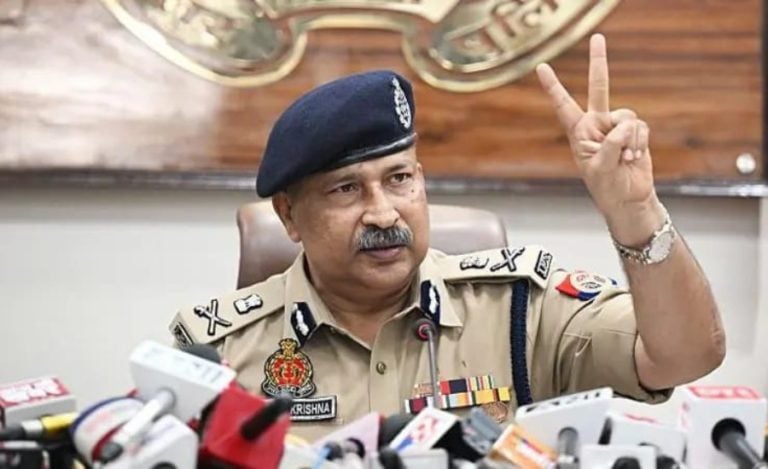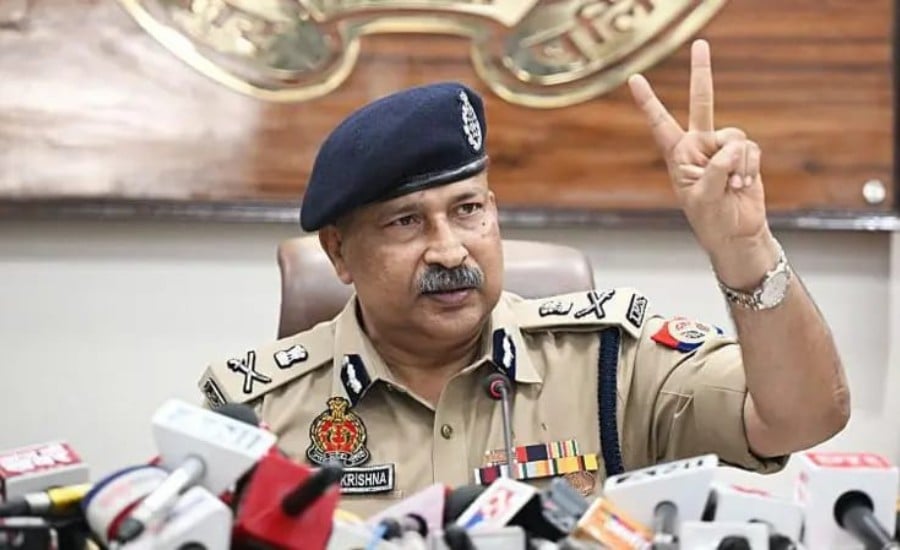
Lucknow: Uttar Pradesh Director General of Police (DGP) Rajeev Krishna, a 1991-batch IPS officer of the Uttar Pradesh cadre, has ordered departmental action against 10 station house officers (SHOs) across nine districts over alleged negligence in addressing public grievances, directing senior officers to strengthen monitoring and ensure complaints are resolved promptly.
The decision followed a statewide review meeting held through video conferencing on Tuesday, October 27, with zonal additional directors general of police (ADGs), police commissioners, range inspectors general (IGs), deputy inspectors general (DIGs), and district police chiefs.
Expressing concern over complaints remaining unresolved at police stations, Krishna said, “Such a negligent approach by police station in-charges cannot be tolerated,”
The respective superintendents of police (SPs), senior superintendents of police (SSPs) and police commissioners will decide the action against the officers concerned. Possible measures include removing them from their current posts, sending them to police lines, initiating suspension proceedings or reverting them to their original rank, as applicable.
The move follows Chief Minister Yogi Adityanath’s emphasis on timely and effective grievance redressal and comes amid broader scrutiny of police accountability and the handling of complaints.
10 SHOs From Nine Districts Face Departmental Action
The action covers police stations in Lucknow, Lakhimpur Kheri, Unnao, Etah, Agra, Pratapgarh, Budaun, Bijnor and Mathura.
Read Also: UP DGP Rajeev Krishna Flags Off Anti-Drug Motorcycle Rally; 5 Police Riders to Reach Statue of Unity
The police stations identified are:
- Lucknow: Babu Banarasi Das police station
- Lakhimpur Kheri: Mailani and Fardhan police stations
- Unnao: Sohramau police station
- Etah: Jasrathpur police station
- Agra: Lohamandi police station
- Pratapgarh: Maheshganj police station
- Budaun: Usawan police station
- Bijnor: Chandpur police station
- Mathura: Jait police station
The review highlighted the need to address complaints at the police station and outpost levels so that citizens do not have to repeatedly approach district headquarters or police headquarters for redressal.
District Police Chiefs Given Three Days to Submit Reports
Krishna directed district police chiefs to examine complaints pending at police stations and outposts, identify the reasons for delays and determine responsibility for lapses.
The compliance reports must be submitted through the respective police ranges and zones within three days.
The review also called for closer monitoring of complaints received, resolved and pending, with instructions to improve follow-up on unresolved cases.
Key directions include:
- Audit pending complaints: Review unresolved grievances at police stations and outposts and establish why they remain pending.
- Fix responsibility: Identify personnel responsible for unnecessary delays, negligence or irregularities.
- Submit compliance reports: Send details of pending complaints, reasons for delays and action taken within three days.
- Monitor progress: Ensure senior officers regularly review the performance of police stations in grievance redressal.
The directions are intended to improve accountability and ensure that complaints receive timely attention at the appropriate level.
Central Monitoring Desks to Track Complaints Daily
Every SP and SSP office has been directed to establish a central monitoring desk to track grievances on a daily basis.
These desks will maintain information on complaints received, resolved and pending, and follow up with the police stations concerned to prevent cases from remaining unattended.
Officials have also been instructed to ensure that complaints received through the Integrated Grievance Redressal System (IGRS), Jan Sunwai, the Chief Minister’s reference mechanism and other channels are properly registered and heard.
Complainants must be informed about the action taken on their grievances. Where a complaint remains unresolved, the reasons for the delay must also be communicated.
The DGP has further directed that allegations of misbehaviour, favouritism, corruption or deliberate neglect be investigated and responsibility fixed wherever wrongdoing is established.
Police Stations to Prioritise 10 Major Land Disputes
Alongside grievance monitoring, Krishna directed every police station to identify the 10 most pressing land disputes within its jurisdiction and coordinate with the revenue department to resolve them.
The concerned assistant commissioner of police (ACP) or circle officer (CO) will monitor the cases in coordination with the sub-divisional magistrate (SDM).
Once the initial list of disputes has been resolved, the next 10 cases will be taken up for action.
Land disputes recorded in Yaksh Beat Reports will also be incorporated into the monitoring process after verification.
Preventive Action Directed in Disputes Threatening Public Peace
The DGP also directed officers to take appropriate preventive measures in cases where disputes could threaten public order.
Where a dispute raises concerns about a breach of peace, officers have been instructed to initiate proceedings under the applicable provisions of the Bharatiya Nagarik Suraksha Sanhita, 2023 (BNSS).
The directions place emphasis on early intervention, coordination with the relevant administrative authorities and monitoring of disputes before they escalate.
The next review of grievance redressal is scheduled for November. The effectiveness of the new monitoring arrangements and the action taken on pending complaints are expected to be assessed during the review.
Read Also: UP IPS Transfer: 2 Senior IPS Officers Get New Postings, Ashok Kumar Singh Named DG Civil Defence