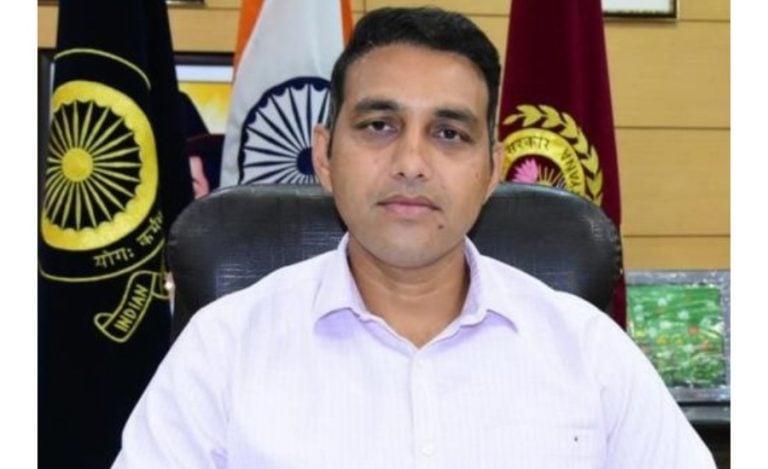
Leh: Ladakh Chief Secretary Ashish Kundra, a 1996-batch IAS officer of the AGMUT cadre, has called for broader consultations with religious organisations, women’s representatives and tourism industry stakeholders before the administration decides on demands for a complete liquor ban across the Union Territory.
The demand has gained momentum amid protests by women’s groups against the availability of alcohol and the issuance of additional licences to bars. Representatives of religious organisations have urged the administration to declare Ladakh a completely dry Union Territory, citing social and cultural concerns.
At a meeting held in Leh on Tuesday, October 27, Kundra acknowledged the concerns raised by the representatives but said the implications of a complete prohibition required careful consideration. He stressed that any decision should account for the region’s cultural sensitivities as well as its dependence on tourism for employment and economic activity.
The administration has proposed wider consultations to build consensus and explore a possible middle ground rather than announcing an immediate blanket ban.
Women’s Groups Demand Complete Liquor Prohibition
Women associated with religious and social organisations have been protesting against the availability of liquor in Ladakh and demanding a complete ban across the Union Territory.
The demonstrations have drawn support from representatives of several community organisations. Climate activist and Leh Apex Body (LAB) leader Sonam Wangchuk also referred to the protests in a post on X, stating:
“Protesting mothers in Ladakh continued their dharna sit-in for the 6th day today and even stopped traffic for a short while on NH1. They’re protesting against the whimsical policies of Lieutenant Governor of Ladakh, like fighting drugs with alcohol shops & bars,”
During the meeting with Kundra, women representatives from organisations including the Ladakh Buddhist Association (LBA) and Anjuman Imamia, Leh, reiterated their demand for complete prohibition. They expressed concern about the number of liquor-serving establishments and the potential consequences for the region’s social and cultural environment.
The meeting also included representatives of the All Ladakh Gompa Association and tourism-related organisations, allowing the administration to hear views from different sections of the community.
Ladakh Rolls Back 2026–27 Excise Policy
The administration informed participants that the 2026–27 Excise Policy had been rolled back following public concerns, with the 2025–26 policy restored.
Officials also provided an update on the number of operational liquor outlets and bars in the Union Territory.
The figures presented during the meeting were:
- Retail liquor outlets: Ladakh had two retail liquor outlets until last year, but only one was functional this year.
- Restaurant-attached bars: The number of functional bars offering retail liquor sales increased from 23 to 40.
- Additional licences: Seventeen new licences had been issued for restaurant-attached bars.
The figures became a key part of the discussion, with women’s representatives expressing concern about the increase in the number of establishments serving liquor.
Although the excise policy has been rolled back, the demand for a complete prohibition remains under consideration. No final decision on declaring Ladakh a dry Union Territory was announced at the meeting.
Ashish Kundra Flags Cultural, Tourism and Employment Concerns
Kundra said the demand for a complete liquor ban involved several interconnected issues and could not be considered solely as an excise-policy matter.
Referring to the experiences of states such as Bihar and Haryana, he cautioned that prohibition could have unintended consequences, including the proliferation of spurious liquor and drugs.
He said, “This is also a cultural issue and the community needs careful consideration of the consequences of declaring Ladakh as a dry territory,”
The Chief Secretary also highlighted the economic implications of a blanket ban, particularly for businesses connected to tourism and hospitality.
“There are also issues of employment , tourism and economic activity and consultation with hotel industry is also crucial in this regard, particularly given that tourism is the primary economic activity in the territory,” he said.
His remarks underscored the administration’s position that the potential social benefits and economic consequences of prohibition should be assessed before a final decision is taken.
Religious Organisations and Tourism Bodies to Be Consulted
The administration has called for a broad-based consultation involving religious organisations, hotel associations, tour and travel operators, and other stakeholders.
Kundra suggested that the president of the Ladakh Buddhist Association convene a wider consultation to help build consensus and identify a possible middle-ground solution.
The proposed consultation process is expected to consider the following issues:
- Social and cultural concerns: The views of women’s groups and religious organisations regarding alcohol availability.
- Liquor licensing: Concerns about the number of operational outlets and restaurant-attached bars.
- Tourism and hospitality: The potential effect of prohibition on hotels, restaurants and tourism-related businesses.
- Employment and economic activity: The implications for livelihoods and businesses linked to the hospitality sector.
- Implementation challenges: The possible consequences of a blanket ban, including the risks associated with illicit and spurious liquor.
The administration has indicated that further discussions involving a wider group of stakeholders could be convened if required.
No Final Decision on Complete Ban Yet
The meeting concluded with an emphasis on continued dialogue and the need to consider the concerns of women’s representatives alongside the views of other affected groups.
The administration has not announced a complete liquor ban in Ladakh. The immediate next step is to facilitate wider consultations and explore whether a consensus-based approach can address the concerns raised by protesters.
The debate now centres on how Ladakh can respond to demands for stricter controls on alcohol while accounting for the region’s cultural values, public concerns, employment and tourism-dependent economy.