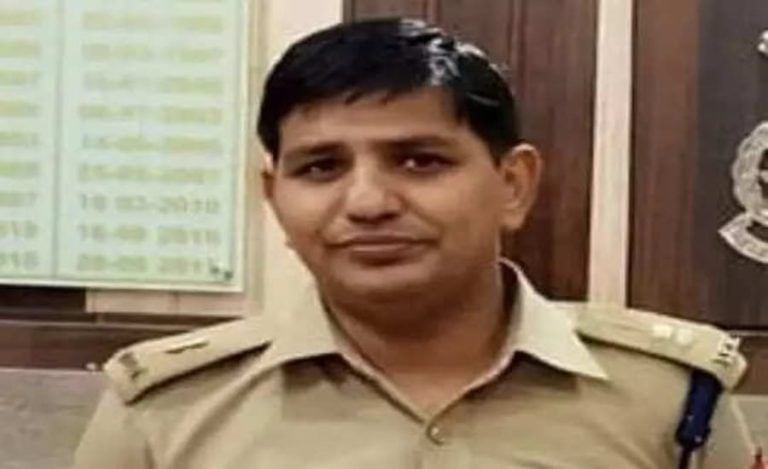
Lucknow: UP trial judge Ravi Kumar Diwakar has once again raised concerns over the transfer of 97 murder cases from his court in Muzaffarnagar, Uttar Pradesh.
In a recent judicial order, the Additional Sessions Judge questioned whether the transfer orders were legally justified and argued that they were issued without proper jurisdiction. The issue has attracted attention across legal circles because of its implications for judicial independence, case management, and the rule of law.
Why Is UP Trial Judge Ravi Kumar Diwakar Case Transfer Controversy Back
Additional Sessions Judge Ravi Kumar Diwakar recently delivered an order in which he questioned the decision to transfer nearly 100 criminal cases from his court.
Read also: Advocate Jagrati Shukla Death Case: Allahabad High Court Orders Judicial Investigation
According to the order, the transfers were directed by the Muzaffarnagar District and Sessions Judge in August 2026.
Judge Diwakar stated that the decision affected several serious criminal matters, including murder cases, and argued that the orders lacked proper legal justification.
Background Of The UP Trial Judge Ravi Kumar Diwakar Transfer Dispute
The controversy began after Judge Diwakar gained national attention for delivering judgments in several high-profile criminal cases.
Reports indicate that he sentenced 23 people to death in 11 separate cases over the previous five months. Soon after, approximately 97 murder cases were transferred from his court.
Judge Diwakar had earlier alleged that the transfers could benefit criminal elements and had questioned the legal basis behind the administrative action.
What Did Judge Ravi Kumar Diwakar Say
In his latest observations, Judge Diwakar asked a broader question about judicial accountability and fairness. He remarked that if a judge faces what he believes is injustice, there are limited options available because judges function under the administrative control of higher judicial authorities. The judge argued that any transfer of cases must be supported by legal reasons and should not be carried out arbitrarily.
Key Points Raised By The Judge
- Transfer orders should be legally justified.
- Administrative powers must be exercised within the framework of law.
- Serious criminal cases should not be shifted without clear reasons.
- Judicial independence should be protected.
- The rule of law must remain the guiding principle.
Legal Questions Raised By The Case
The dispute has sparked discussion about the powers of District and Sessions Judges. Under Indian law, District and Sessions Judges have administrative authority over courts within their jurisdiction. However, legal experts note that such powers are expected to be exercised fairly, transparently, and in accordance with established legal principles.
Judge Diwakar’s observations focus on whether the exercise of transfer powers in this instance met those standards.
FAQs
Reports indicate that around 97 murder cases and several other criminal matters were transferred from his court in Muzaffarnagar.
Judge Diwakar argued that the transfer orders lacked proper legal justification and questioned whether they were issued within the limits of lawful authority.
The matter raises broader questions about judicial independence, administrative powers, transparency, and the rule of law within India’s judicial system.