New Delhi: Prime Minister Narendra Modi has called for continuous reforms in examination and recruitment processes, urging the Union Public Service Commission (UPSC) to follow the principle of “time certainty” to reduce delays affecting aspirants.
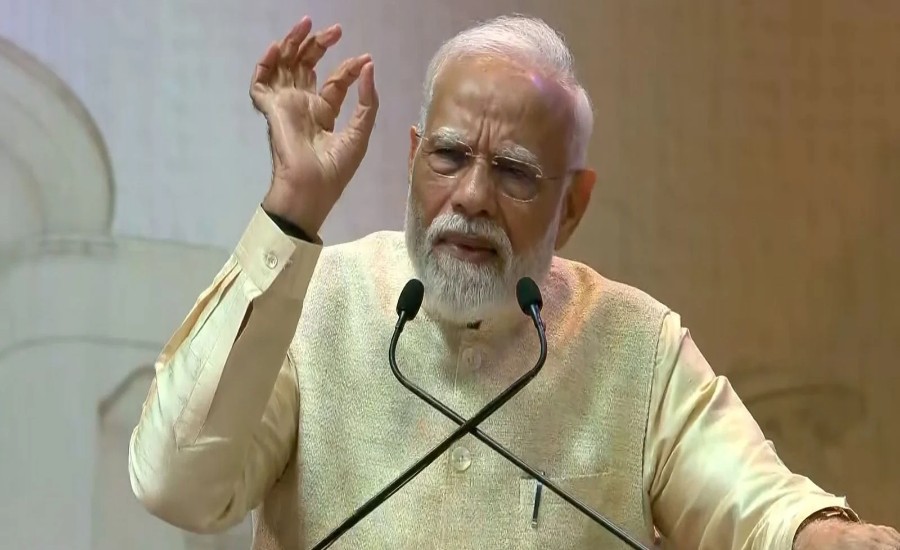
Addressing the UPSC’s centenary celebrations at Bharat Mandapam in New Delhi on October 1, Modi said examination bodies must keep pace with the changing needs of the country and ensure that recruitment processes remain timely.
PM Modi Links Exam Delays to Aspirants’ Future
Emphasising the importance of examination timelines, Modi said:
“An examination should not be considered just an event. It is related to the future of our youth.”
He added that even a delay of a few months could create difficulties for young people and called for the examination system to follow “time certainty.”
The Prime Minister linked the issue to the financial and practical pressures faced by candidates during prolonged recruitment cycles. Reports from the event said he referred to expenses such as coaching, accommodation, banking and transportation that can increase when examinations and recruitment take longer than expected.
UPSC Has Already Shortened Examination Cycle
Modi also referred to steps taken by the UPSC to reduce the length of its examination cycle. According to reports from his address, he said the Commission had reduced the cycle by around 100 days, describing the move as not merely an administrative reform but also an “equity reform”.
The UPSC has also been undertaking technology-related changes. The Commission’s centenary discussions have highlighted measures including digital e-admit cards and face authentication, alongside its broader focus on Trust, Transparency and Technology.
PM Calls for Recruitment to Reflect Changing Public-Service Needs
The Prime Minister also called for recruitment systems to assess more than candidates’ academic knowledge. He said selection should consider why young people want to enter public service and emphasised the principles of “Nation First” and “Citizen First.”
He further highlighted the changing expectations of citizens in an era of artificial intelligence, real-time data and faster access to information. According to reports from the event, he called for civil servants to be prepared for emerging challenges including AI, information warfare and climate-related issues.
UPSC Begins Its Second Century
The Prime Minister’s address formed part of the culmination of the UPSC’s year-long centenary celebrations. The Commission was established on October 1, 1926, and became the Federal Public Service Commission in 1937 before being renamed the UPSC after the Constitution came into force in 1950.
The two-day centenary programme, titled ‘Shatabdi Samaroh – Manthan’, brought together senior public officials, State Public Service Commission representatives, academics and other stakeholders to discuss the future of civil services, innovation and institutional values.
The focus on examination timelines comes as the UPSC enters its second century with discussions centred on recruitment reforms, technology and the evolving expectations of public administration.
Read Also: UPSC Exam Reforms: Chairman Ajay Kumar Stresses Reasoning, Decision-Making Over Rote Learning